
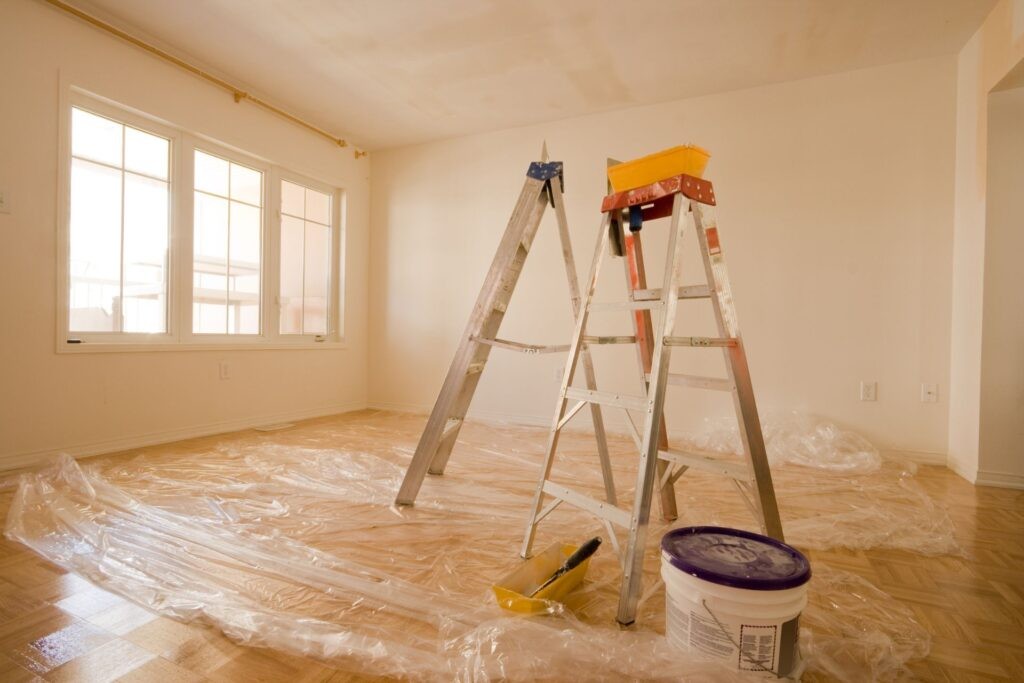
If you’re gearing up to renovate or build in Waikato, there’s more to think about than floor plans and finishes. The builder you choose plays a major role in whether your home meets code, holds its value, and feels right to live in. Whether you’re upgrading your current place or starting fresh on a new section, working with Waikato builders who know the local rules and ground conditions can save you time, money, and plenty of stress. Here’s what to look out for when choosing your builder.
Why Local Waikato Builders Make a Difference
The Waikato region covers a lot of ground—from Hamilton suburbs to rural blocks near the Coromandel—and not every site has the same challenges. Some areas deal with clay soil or high winds, others have drainage issues or stricter zoning rules. Builders who’ve worked across Waikato before already know how to handle these things without slowing your job down.
They also tend to have reliable subbies they trust to turn up and do solid work. So whether it’s a sloping lifestyle block or a house in a new subdivision, a local builder will know what materials last, what the council expects, and how to keep things moving.
The Value of Certified Builders in Home Projects
Not every builder can legally do structural work. A Licensed Building Practitioner (LBP) has been assessed for skill and experience and is approved to carry out restricted building work—like framing, foundations, and making sure your house stays watertight.
If your builder isn’t certified, you could end up with failed inspections, missing paperwork, or expensive rework. Certified builders usually carry insurance and offer proper warranties too, which adds a layer of security if anything goes wrong.
Should You Hire Design and Build Contractors?
If you’d rather not manage five different people, design and build contractors can make life easier. These companies handle the full process—plans, consent, building, and coordinating trades. That means fewer moving parts for you to chase and a better grip on your budget.
They’ve usually got a handle on what works in the region and will suggest more efficient ways to build—whether that’s a smarter layout, better materials, or avoiding delays with council sign-off. If time and cost control matter to you, it’s a solid option.
Renovations: When to Call in Home Renovation Contractors
Renovating might seem simpler than building new, but older homes often come with hidden issues. Things like leaky walls, dodgy wiring, or understrength framing can turn up once work starts. Home renovation contractors who know what to look for can flag these early and build them into the scope so you’re not blindsided.
If your reno changes anything structural or affects exterior cladding, you’ll probably need a consent. A good builder will walk you through that and deal with council inspections so everything’s signed off properly.
Renovation Pitfalls to Avoid
One of the biggest mistakes homeowners make is underestimating what’s involved. It’s easy to plan a kitchen upgrade and forget the plumbing or insulation behind it. If you want the space to meet today’s energy standards, you’ll likely need upgrades that aren’t visible in the final finish—but matter long term.
Another issue? Vague contracts. You’ll want a clear breakdown of what’s included, what counts as a variation, and how delays are handled. Sorting this early makes a big difference if anything shifts mid-project.
Planning for Sustainability and Energy Efficiency
More homeowners across Waikato are asking about sustainable upgrades—and not just for the environment. Things like solar, heat pumps, smart ventilation, and energy-saving insulation lower running costs and keep homes comfortable year-round.
A good builder can include these in the early planning stages. They’ll also know which upgrades need council sign-off and which can be added later on. The right setup now can future-proof your home and reduce long-term maintenance.
What to Ask Before You Sign a Contract
Before you agree to anything, ask a few straight questions:
- Are you LBP-certified and insured?
- What’s your experience with jobs in Waikato?
- Can I visit any of your recent builds or renovations?
- How do you manage subbies and timelines?
- What happens if something unexpected adds cost?
The answers will tell you how open they are, how well they communicate, and whether they’re organised enough to finish the job properly.
Renovating or building a home in Waikato comes with plenty of moving parts. Soil, climate, and council rules all play a part in how the job needs to be run. A certified, experienced team can spot problems early, keep things compliant, and build something that lasts.
Vencon offers full-service builds and renovations throughout Waikato. Our team of certified builders and experienced home renovation contractors handles everything from concept through to final handover. If you’re after a team who does what they say—and builds homes to a standard, not just a price — talk to Vencon today and get your project started with confidence.
