
Hardwood floors are known for their beauty and durability, but over time they inevitably show signs of wear. From pet claws and moving furniture to dropped objects and everyday foot traffic, scratches are a common concern for homeowners. While light surface marks are relatively easy to address, deeper scratches pose a bigger challenge.
One of the most common solutions is hardwood floor sanding. But does sanding really remove deep scratches—or will you still see marks even after the process? Let’s explore how sanding works, when it’s effective, and what limitations you should be aware of.
How Hardwood Floor Sanding Works
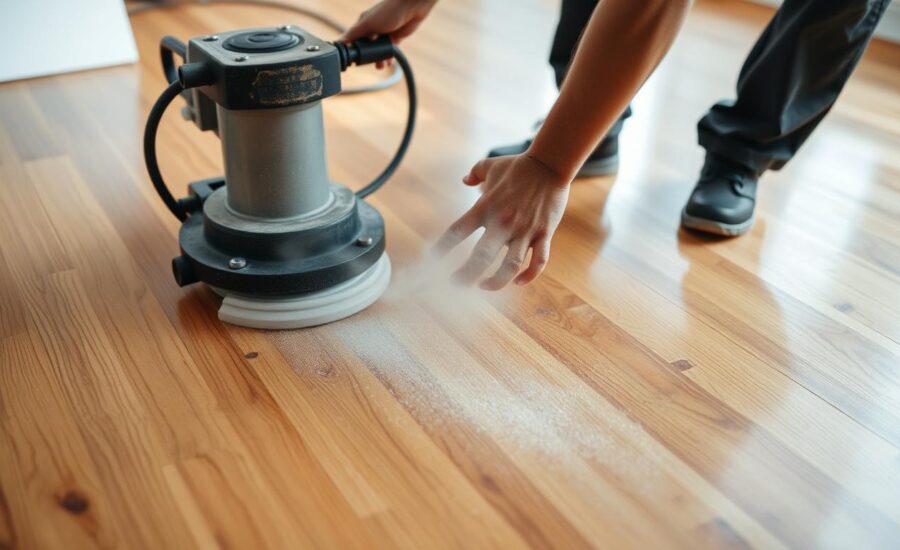
Sanding is the process of grinding down the top layer of hardwood flooring using a floor sander. This removes imperfections such as scratches, stains, and dull finishes, revealing fresh wood underneath. After sanding, the floor is refinished with stain and a protective sealant, restoring its appearance and extending its lifespan.
Because hardwood planks are made of solid wood (typically 3/4 of an inch thick), they can usually be sanded multiple times over their lifespan without compromising structural integrity.
Can Sanding Remove Deep Scratches?
The answer is usually yes, but with some important considerations:
- Shallow scratches: Easily removed through sanding, as only the very top layer of the wood needs to be leveled.
- Moderate scratches: Typically eliminated after a few sanding passes, followed by refinishing.
- Deep gouges: These may not disappear entirely if they extend below the layer that can safely be sanded. In such cases, board replacement may be necessary.
In short, sanding can remove most deep scratches, but the outcome depends on how severe the damage is and how much wood remains to work with.
Factors That Influence Results
- Wood Thickness – Floors that have already been sanded multiple times may not have enough wood left to address very deep scratches.
- Scratch Depth – Scratches that penetrate more than a few millimeters may still be visible after sanding.
- Wood Species – Softer woods like pine are more prone to gouges, while harder woods like oak or maple respond better to sanding.
- Finish and Stain – Some finishes highlight scratches more than others; sanding followed by refinishing helps blend color for a uniform look.
Alternatives to Sanding for Deep Damage
If sanding alone can’t fully remove a deep scratch, there are other solutions:
- Board Replacement – Replacing individual planks is often the best option for severely gouged areas.
- Spot Repairs – Wood filler and color-matched stains can disguise scratches that don’t justify a full sanding.
- Combination Approach – For heavily damaged floors, a mix of plank replacement and sanding is often used.
Trusted Professionals for Floor Sanding
Sanding hardwood floors requires expertise and professional-grade equipment to avoid uneven surfaces or over-sanding. Homeowners looking for quality results often turn to services like Mebesa hardwood floor sanding, where experienced specialists restore floors with precision and care. Professional sanding not only removes scratches but also revitalizes the natural beauty of hardwood.
Tips to Prevent Future Scratches
- Place felt pads under furniture legs.
- Use area rugs in high-traffic zones.
- Keep pet nails trimmed.
- Clean floors regularly to prevent dirt and grit from acting like sandpaper.
These habits help preserve your newly sanded floors for years to come.
Final Thoughts
Hardwood floor sanding is one of the most effective ways to remove scratches—both light and deep. While most scratches can be eliminated through sanding and refinishing, extremely deep gouges may require plank replacement.
For homeowners, the key is professional assessment and repair to ensure the right approach is used. With expert sanding and preventative care, your hardwood floors can look smooth, polished, and beautiful for decades.
