
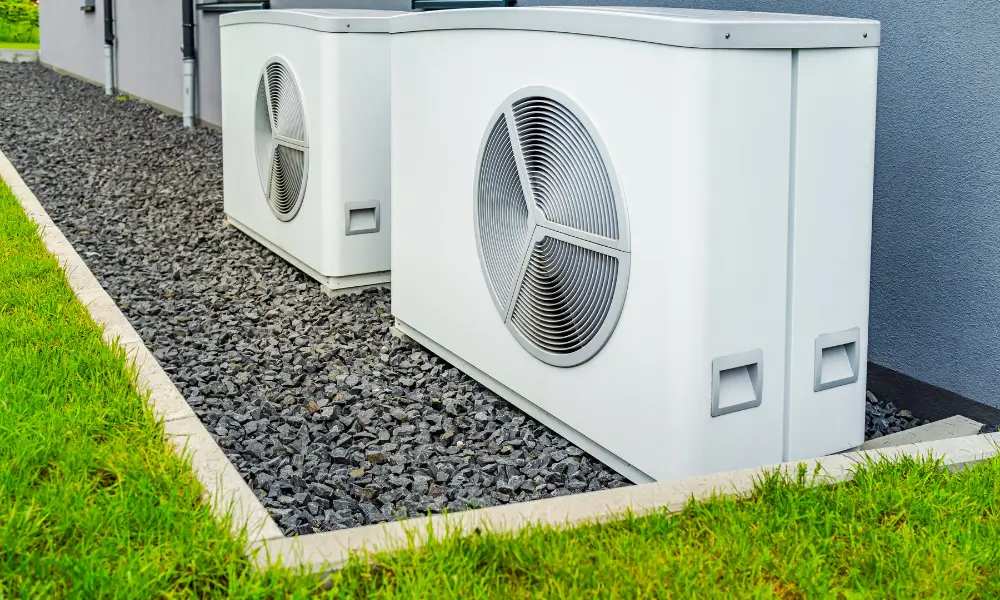
DIY mini split systems are becoming increasingly popular, especially among homeowners who enjoy taking on home improvement projects. The idea of installing your own heating and cooling system can sound empowering—and cost-effective—but it’s not a decision to make lightly. Before committing, it’s important to understand what a DIY mini split really involves, where it shines, and where it may fall short.
Understanding What a DIY Mini Split Is
A DIY mini split is a ductless heating and cooling system designed to be installed without professional HVAC services. It typically consists of an outdoor condenser and one or more indoor air-handling units connected by refrigerant lines. Unlike traditional central air systems, mini splits don’t require ductwork, making them appealing for older homes, additions, or spaces that are difficult to heat or cool.
While they’re marketed as “DIY,” installation still requires planning, accuracy, and a willingness to follow detailed instructions carefully.
The Real Benefits: Why Homeowners Consider DIY
The most obvious benefit is cost. Professional HVAC installation can be expensive, and labor often accounts for a large portion of the total price. By installing the system yourself, you may save a significant amount upfront.
DIY mini splits also offer flexibility. Homeowners can work on their own schedule rather than coordinating with contractors. For people living in remote areas or regions with limited HVAC services, this independence can be especially valuable.
Additionally, mini splits are known for energy efficiency. Because they heat or cool individual rooms rather than the entire house, they can help reduce energy waste and lower monthly utility bills over time.
The Hidden Challenges of DIY Installation
Despite the advantages, DIY installation isn’t always as simple as it appears. Mounting indoor units requires precise placement to ensure proper airflow and drainage. Drilling through exterior walls, running line sets, and mounting the outdoor condenser all require careful measurements and physical effort.
Mistakes during installation can lead to performance issues, reduced efficiency, or even system failure. In some cases, manufacturer warranties may be limited or voided if the system isn’t installed exactly as specified. Homeowners must be comfortable taking responsibility for the outcome.
Skill Level Matters More Than Tools
While DIY mini splits are designed to minimize specialized tools, they still demand a certain level of technical confidence. You don’t need to be an HVAC expert, but you should be comfortable reading manuals, following diagrams, and troubleshooting minor issues.
If you’ve never handled electrical connections or mounted heavy equipment, the learning curve may be steeper than expected. For some homeowners, hiring a professional can provide peace of mind that outweighs the cost savings.
Is Your Home a Good Fit?
Not every home is ideal for a DIY mini split system. Wall structure, electrical capacity, and climate all play a role. Homes with very old wiring or limited outdoor space may require upgrades or modifications that go beyond a simple DIY project.
Local building codes and permit requirements should also be considered. Some areas require inspections or licensed professionals for certain aspects of installation, even if the system itself is DIY-friendly.
Weighing Value Beyond the Price Tag
Ultimately, deciding whether a DIY mini split system is worth it depends on more than just money. Time investment, personal skill level, and long-term expectations all matter. For confident, detail-oriented homeowners, installing a system yourself can be satisfying and practical. For others, the risk of errors and added stress may outweigh the savings.
A DIY mini split system can be a smart solution—but only when approached with realistic expectations. Understanding the responsibilities involved, evaluating your home’s suitability, and honestly assessing your own skills will help you make an informed decision. When done right, DIY installation can deliver comfort and efficiency. When rushed or underestimated, it can become an expensive lesson.
