
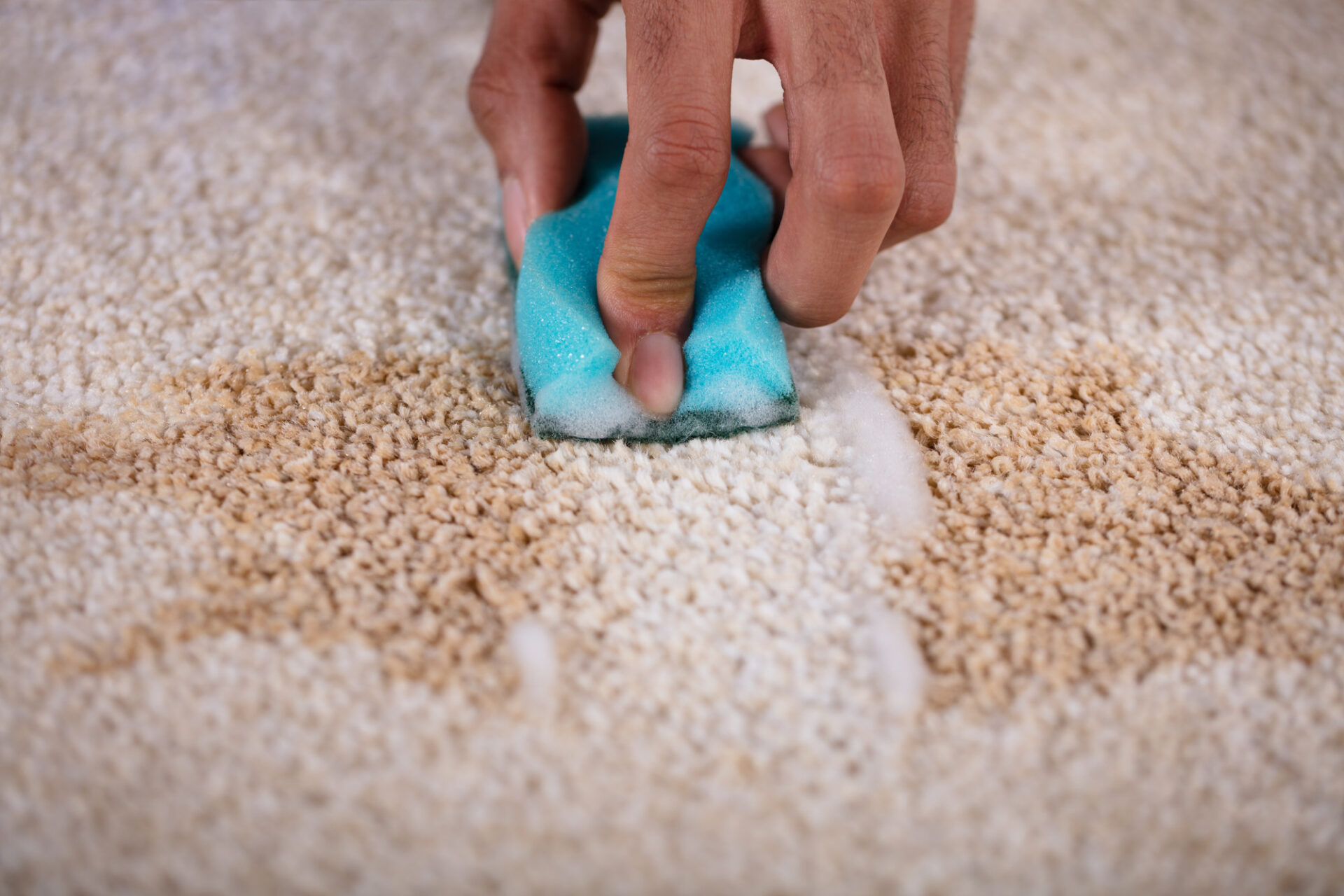
A sudden splash of juice on a light-coloured carpet can feel like a small disaster, especially when the colour starts to spread before your eyes.
The good news is that most stains can be lifted effectively if you respond quickly and use the right method, rather than scrubbing in a panic.
With a few simple items and a steady approach, you can restore the fibres and keep the entire room looking fresh.
Act Quickly and Read the Spill
Before you reach for anything, take a moment to notice what you have spilt and how much has landed.
Dark juices such as grape or berry blends carry stronger dyes, while orange and apple tend to leave sticky sugars that attract dirt once they dry.
In the same spirit, check whether the drink was chilled, warm, or mixed with pulp, since thicker juice sits on the surface and needs lifting before it sinks in.
If possible, read any care instructions for your carpet, as wool and some natural blends prefer milder cleaners and less moisture.
If you’re unsure, plain water and blotting remain the safest start. It also helps to use white cloths, since dyed fabrics can transfer colour onto a damp, pale pile.
Keep your response measured and organised. You will want kitchen roll or clean white cloths, a small bowl, a spray bottle, and a vacuum for later.
If the spill is near a sofa leg or skirting board, tuck a towel around the edge to stop the liquid from creeping out of sight. As a result, you work on a contained patch rather than chasing a spreading halo.
Blot Patiently to Lift, Not Grind
The first minutes matter, because rubbing can push the colour deeper into the pile and widen the stain.
Place a folded cloth over the wet area and press down with steady, light pressure, then lift and move to a fresh section of cloth. Work from the outside towards the centre so the mark doesn’t fan outward.
Meanwhile, switch to a fresh part of the cloth as soon as it feels damp, because a wet cloth can start putting the juice back into the carpet instead of soaking it up.
If the juice has bits of fruit, lift them with the edge of a spoon before blotting again. Avoid scraping, because that can roughen the fibres and leave the carpet looking flat even when the stain is gone.
Rinse with Cold Water to Release the sugars.
Once you have absorbed as much juice as you can, introduce cold water to dilute what remains. Use a spray bottle to mist the area until it’s lightly damp, then blot again with a clean cloth.
Cold water helps loosen sugars without setting colour, which can happen if heat is applied too early. With this in mind, resist the temptation to use hot water or a hairdryer at this stage, even if you want the patch to dry quickly.
If the stain is larger, dampen a cloth with cold water and dab along the edges first, then move inward.
This small detail stops the boundary from becoming a dark ring as the liquid moves. In turn, you create a more even fade, which makes the later cleaning step far more effective.
Treat the Mark with a Mild Homemade Cleaner
After rinsing, you can switch to a mild solution that breaks down stickiness and lifts colour without bleaching the pile.
Mix warm water with a small amount of white vinegar and a drop of mild washing-up liquid, then apply it to a cloth rather than pouring it directly onto the carpet.
Dab the stained area, allow it a few minutes to work, and blot with a fresh cloth to pull the moisture back up.
Test the solution on a hidden corner first, particularly if your carpet is wool or has a delicate finish. If the colour transfers to the cloth, keep the pressure light and repeat it in small rounds instead of soaking the area.
In time, several controlled passes remove more than one heavy drench, and your carpet is less likely to smell musty afterwards.
Restore Freshness with Baking Soda and Careful Drying
Even when the stain looks lighter, a pale carpet can hold onto a faint shadow or a sweet smell.
When the area is only slightly damp, sprinkle baking soda over the patch and leave it to sit for at least fifteen minutes, or longer if the carpet still feels cool with moisture. Baking soda absorbs leftover liquid and helps lift residue that can reappear after drying.
When the powder feels dry, vacuum it thoroughly. Then, let the carpet air dry with a steady flow of air, which matters on damp, misty mornings when weaves take longer to release moisture.
Keep shoes off the spot so the pile isn’t pressed flat while it dries. If the surface looks matted, brush it lightly with a clean, soft brush once it’s dry, following the direction of the fibres.
In the end, the goal isn’t just a clean patch but a surface that blends back into the surrounding carpet.
Prevent Repeat Stains and Choose Expert Help Wisely
Prevention is easier than repair, especially in family spaces where drinks travel from room to room.
A washable runner beside the sofa, a tray for snacks, or a rule that juice stays at the table can save you repeated cleaning cycles.
If spills do happen, a small kit kept in a cupboard nearby, stocked with cloths and a spray bottle, means you can act before the colour settles.
There are times, though, when home care reaches its limit. If the stain has dried, the carpet has been over-wetted, or the juice has mixed with milk or fizzy additives, the patch can be uneven.
At that point, licensed carpet cleaning can bring stronger extraction and controlled rinsing, which reduces the risk of lingering residue.
In the same spirit, avoid harsh chemicals such as bleach, since they can lighten the carpet in a way that never quite matches the original shade.
Conclusion
A light-coloured carpet can stay inviting even after an occasional accident, as long as you treat spills with speed and a careful touch.
When you blot carefully, rinse with cold water, and finish with thoughtful drying, you remove both colour and the sticky film that attracts future dirt.
With sensible habits and the right help when needed, your floor covering can look bright through busy days and relaxed evenings alike.
