
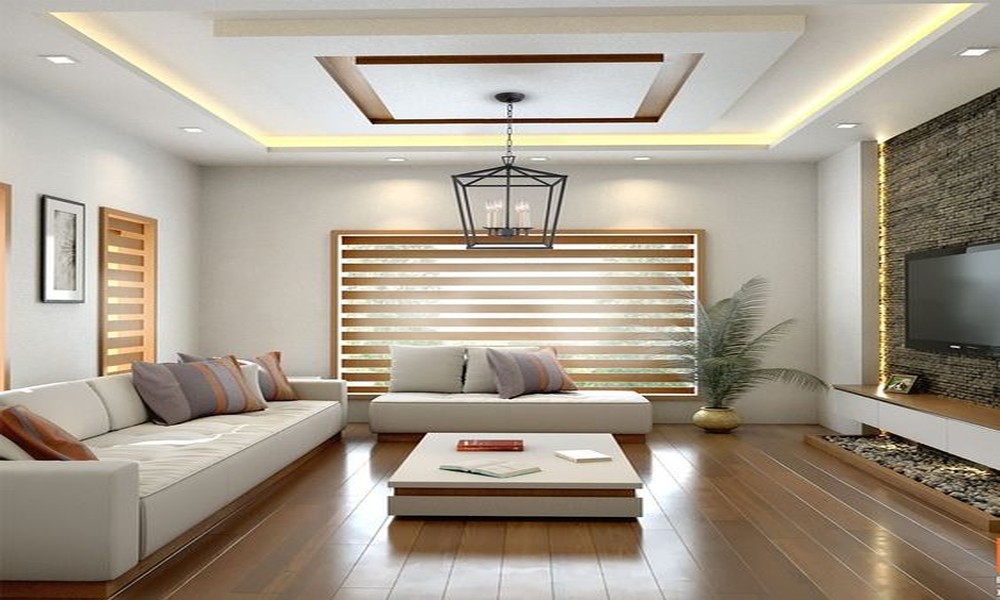
Choosing the right ceiling lighting plays a major role in shaping how a room looks and feels. Lighting affects visibility, comfort, and even how spacious a room appears. With many options available today, homeowners often find themselves comparing different ceiling lighting styles to understand which one fits their needs better.
Two commonly discussed options are surface lights for ceilings and COB-based ceiling lighting. While both serve the same core purpose, their design, light output, and suitability can differ based on space and usage.
This blog explores surface-mounted ceiling lights and COB ceiling lights in detail, helping you understand how each works and where they may be best used, depending on the setting.
Understanding Surface Ceiling Lights
Surface-mounted ceiling lights are fixtures installed directly on the ceiling. Unlike recessed lighting, these lights do not require cutting into the ceiling, making them suitable for spaces with limited ceiling depth or where structural changes are not preferred.
Surface lights for ceilings are often chosen for their ease of installation and clean appearance. They sit flush against the ceiling and provide uniform illumination across the room. This makes them a practical option for everyday lighting in living rooms, bedrooms, kitchens, and hallways.
From a design perspective, surface lights are available in simple, minimal styles as well as more decorative forms. Their versatility allows them to blend into modern interiors while still offering sufficient brightness. As ceiling lights for homes, surface-mounted options work well in spaces that require consistent lighting without creating harsh shadows.
Another advantage of surface ceiling lights is their adaptability. They can be used in both large and small rooms, depending on layout and light distribution. Because they are visible fixtures, they can also contribute subtly to the overall décor when chosen in finishes that complement the room.
Exploring COB Ceiling Lighting
COB, or chip-on-board, technology refers to the arrangement of LED chips closely together on a single surface. In ceiling lighting, COB lights are generally used to create focused and intense illumination from a compact fixture.
A COB light ceiling setup is often used where directional lighting is required. These lights are commonly seen in spaces that benefit from focused brightness, such as study areas, kitchens, or accent zones within a room. The concentrated light output helps highlight specific areas without illuminating the entire space evenly.
COB ceiling lights are usually installed as recessed or semi-recessed fixtures, although surface-mounted COB options also exist. Their compact design allows them to blend seamlessly into the ceiling, creating a clean and modern look. This makes them appealing for interiors that favour minimalism and uncluttered surfaces.
In terms of lighting quality, COB lights are known for producing a uniform beam with reduced glare when positioned correctly. However, their focused nature means they are often used in combination with other ceiling lights for homes rather than as the sole source of lighting in a room.
Surface vs COB Ceiling Lights: Key Differences
When deciding between surface ceiling lights and COB ceiling lights, it helps to compare how they perform across different aspects of home lighting.
Surface-mounted lights are generally better suited for providing ambient illumination. They spread light evenly across the room, making them ideal for areas where general visibility is important. In contrast, COB ceiling lights are more effective for task or accent lighting, where directed brightness is needed.
Installation is another key difference. Surface-mounted ceiling lights are easier to install in most cases, as they do not require ceiling cut-outs. COB lights, especially recessed types, may require additional planning and a deeper ceiling.
In terms of appearance, surface lights are more visible and can act as subtle design elements. COB lights, on the other hand, are designed to stay visually understated, drawing attention to the illuminated area rather than the fixture itself.
Energy efficiency and performance depend on usage and placement. Both lighting types are designed to operate efficiently, but actual results vary depending on room size, usage patterns, and layout. Using a mix of both can often provide balanced lighting across different zones of a home.
Choosing the Right Option for Your Space
The choice between surface and COB ceiling lights ultimately depends on how a space is used. For rooms that require uniform lighting throughout the day, such as living areas or bedrooms, surface-mounted lights offer simplicity and comfort. They create a well-lit environment without requiring multiple fixtures.
For spaces where focused lighting enhances functionality, such as work desks, kitchen counters, or display areas, COB ceiling lights can be a suitable addition. Their ability to direct light precisely makes them useful for highlighting specific zones.
It is also important to consider ceiling height, room layout, and interior style. A well-planned lighting design often combines different lighting types to achieve both functionality and visual balance.
Lighting Choices That Support Everyday Living
Ceiling lighting is more than just a functional requirement; it shapes how a home feels and functions. Both surface lights for ceilings and COB ceiling light solutions offer distinct advantages when used thoughtfully.
Understanding their differences helps homeowners make informed choices that align with their space, lifestyle, and design preferences. By selecting the right combination of lighting, it becomes easier to create interiors that feel comfortable, practical, and visually cohesive.
