
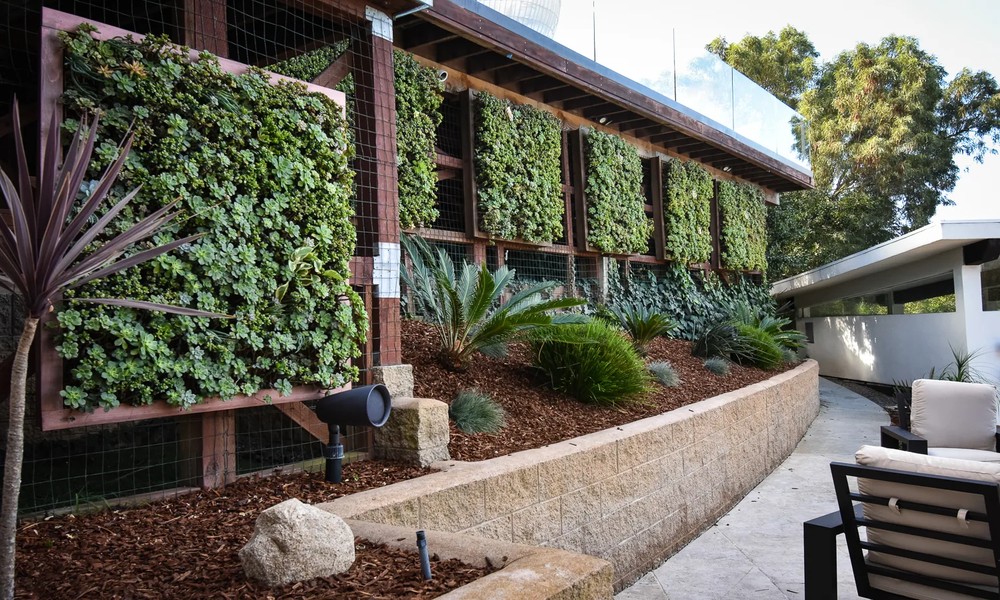
A vertical green wall system begins with a simple premise: bringing nature to where it has been pushed out by concrete and glass. Walk through Singapore’s business districts on a humid afternoon, and you will notice these living tapestries climbing the sides of buildings, their leaves catching droplets of rain, their roots hidden behind panels that hold entire ecosystems in place. What appears effortless actually represents years of engineering refinement aimed at solving a persistent urban problem: how to maintain vibrant greenery without constant intervention.
The appeal lies not just in appearance but in practicality. Property managers who once spent hours tending traditional gardens now oversee installations that largely care for themselves. Office workers who pass these walls each morning rarely consider the automated systems working behind the foliage, delivering precisely measured water and nutrients on schedules calculated to the minute.
The Reality of Maintenance Demands
Anyone who has killed a houseplant understands the gap between intention and execution. A vertical green wall system closes that gap through design rather than discipline. Modern installations incorporate sensors that detect soil moisture levels, triggering irrigation only when plants actually need water. This prevents both drought stress and the root rot that comes from overzealous watering.
The systems run on timers calibrated to Singapore’s climate patterns. During the northeast monsoon season, when rain arrives almost daily, automated systems reduce watering frequency. When dry spells stretch across weeks, the system compensates without human intervention. According to the National Parks Board, “Well-designed vertical greenery systems can reduce water consumption by up to 40 per cent compared to conventional irrigation methods, whilst maintaining healthier plant growth.”
Maintenance schedules typically include:
- Monthly visual inspections for plant health and pest presence
- Quarterly fertiliser top-ups through automated injection systems
- Bi-annual pruning to maintain shape and density
- Annual equipment checks for pumps and sensors
- Replacement planting for any failed specimens
Sustainability Beyond the Surface
The environmental credentials of a vertical green wall system extend into territories that surprise even enthusiasts. Take thermal regulation. On a building’s western facade, where afternoon sun turns concrete into radiators, a properly installed green wall creates an insulating barrier. The Housing and Development Board measured temperature differences of up to 5 degrees Celsius between walls with and without vegetation during peak heat hours.
This cooling effect translates directly into energy savings. Air conditioning units work less aggressively when building surfaces remain cooler. Over a year, these savings compound, particularly in tropical climates where cooling represents the largest component of energy bills. One government study tracking commercial buildings found that vertical green wall systems contributed to 15 to 25 per cent reductions in facade heat gain.
The water story proves equally compelling. Many installations now capture and reuse rainwater, storing it in tanks that supply irrigation systems during dry periods. Greywater from sinks and showers, properly treated, can sustain plant life whilst reducing demand on municipal supplies. In a city where water security remains a national priority, these closed-loop systems demonstrate how architecture can work with rather than against natural cycles.
Choosing Plants That Actually Survive
The difference between a thriving installation and a patchy disappointment often comes down to plant selection. Species native to Southeast Asia or adapted to tropical conditions require less coddling than imports struggling against climate reality. Ferns, pothos varieties, and certain flowering species have proven themselves across hundreds of installations island-wide.
Diversity matters for practical reasons beyond aesthetics. Monoculture plantings face existential threats when disease or pests arrive. Mixed species installations contain such problems naturally, as different plants attract different beneficial insects whilst resisting different pathogens. The vertical green wall system becomes more resilient through variety, much like natural forests withstand pressures that would devastate plantation forests.
Light requirements determine which plants go where. South-facing walls receive intense direct sun, demanding species that tolerate high heat and bright conditions. North-facing installations, shaded most of the day, need shade-tolerant varieties. Getting this match wrong means watching plants struggle despite perfect irrigation and nutrition.
Investment and Returns
Installing a vertical green wall system requires upfront capital, typically ranging from moderate to substantial depending on size and complexity. Yet the calculation should not stop at installation costs. Building owners report property value increases, particularly in residential developments where green features command premium prices. Commercial tenants express preferences for buildings with visible sustainability commitments, translating green walls into competitive advantages.
Maintenance costs, when properly budgeted, prove manageable. Monthly service contracts typically cost less than maintaining equivalent ground-level gardens, particularly when factoring in the space efficiency. Where a traditional garden might require significant square meterage to achieve visual impact, a vertical green wall system delivers equivalent presence whilst occupying virtually no floor space.
The Building and Construction Authority’s Green Mark scheme recognises these installations, awarding points that can elevate buildings into higher certification tiers. These certifications carry tangible benefits, from regulatory advantages to marketing value in an increasingly environmentally conscious market.
Moving Forward
The transformation of Singapore’s streetscapes continues, building by building, wall by wall. What began as experimental installations have matured into reliable systems backed by performance data and real-world experience. Property developers no longer question whether these systems work, but rather which configuration suits their particular needs. For anyone considering how to bring nature into urban spaces without creating perpetual maintenance burdens, the evidence speaks clearly: a properly designed vertical green wall system delivers on both environmental promises and practical necessities.
