
The trouble with water is that it is patient. It does not announce itself with fanfare. It finds a hairline crack in a concrete slab, follows the path of least resistance through a deteriorated membrane, and settles quietly into the structure of a building long before anyone notices the stain on the ceiling. In Singapore, where the sky delivers more than 2,000 millimetres of rain each year, finding a reliable water leakage solution is not a matter of convenience – it is an act of preservation.
The Invisible Problem
Water leaks rarely begin as dramatic events. More often, they start as slow, persistent intrusions that work their way through walls, floors, and ceilings over months or even years. By the time a homeowner notices the discoloured patch above the kitchen or the faint smell of mould in the bathroom, the damage behind the surface may already be extensive.
The sources are as varied as they are elusive:
- Waterproofing membranes that have deteriorated with age and exposure
- Hairline cracks in plumbing that weep quietly inside walls
- Construction joints that were never properly sealed during the original build
- Drainage systems choked with debris, forcing water to find alternative paths
- Window frames and facade coatings that have lost their ability to repel rain
Each cause demands its own remedy, which is why the first and most important step in any water leakage solution is accurate diagnosis.
Reading the Signs
Hidden leaks leave traces, and learning to read them can mean the difference between a minor repair and a major reconstruction. The warning signs are subtle but consistent:
- Damp patches on walls or ceilings that appear or intensify after rain
- Paint that bubbles, peels, or discolours near plumbing runs or external walls
- A persistent musty odour that no amount of ventilation seems to dispel
- Watermarks that grow slowly over weeks, their edges creeping outward
- Water bills that climb without explanation, suggesting a concealed plumbing breach
Any one of these symptoms warrants investigation. Together, they amount to a building trying to tell you something.
The Tools of Discovery
What has changed in recent years is the precision with which specialists can locate hidden leaks without tearing a building apart. Thermal imaging cameras detect temperature variations in walls and floors, revealing pockets of moisture that are invisible to the naked eye. Moisture meters provide quantitative readings of water content in concrete, timber, and plaster, mapping the extent of intrusion with scientific accuracy.
These technologies have transformed leak detection from a process of educated guessing into something approaching forensic investigation. As Lee Kuan Yew once observed, “We have to be a society that is meticulous and precise in what we do.” Nowhere is that precision more consequential than in finding water where it should not be.
The Art of Repair
Once the source has been identified, the question becomes how to stop it. The answer depends on the nature and location of the leak, and the repertoire of modern water leak repair techniques has expanded considerably.
PU grouting injection has become a favoured method for active leaks in concrete structures. A polyurethane resin is injected under pressure into cracks and joints, where it reacts with moisture, expands, and cures into a flexible, waterproof seal. The technique is particularly effective in basements, car parks, and below-ground structures where water pressure is constant and relentless.
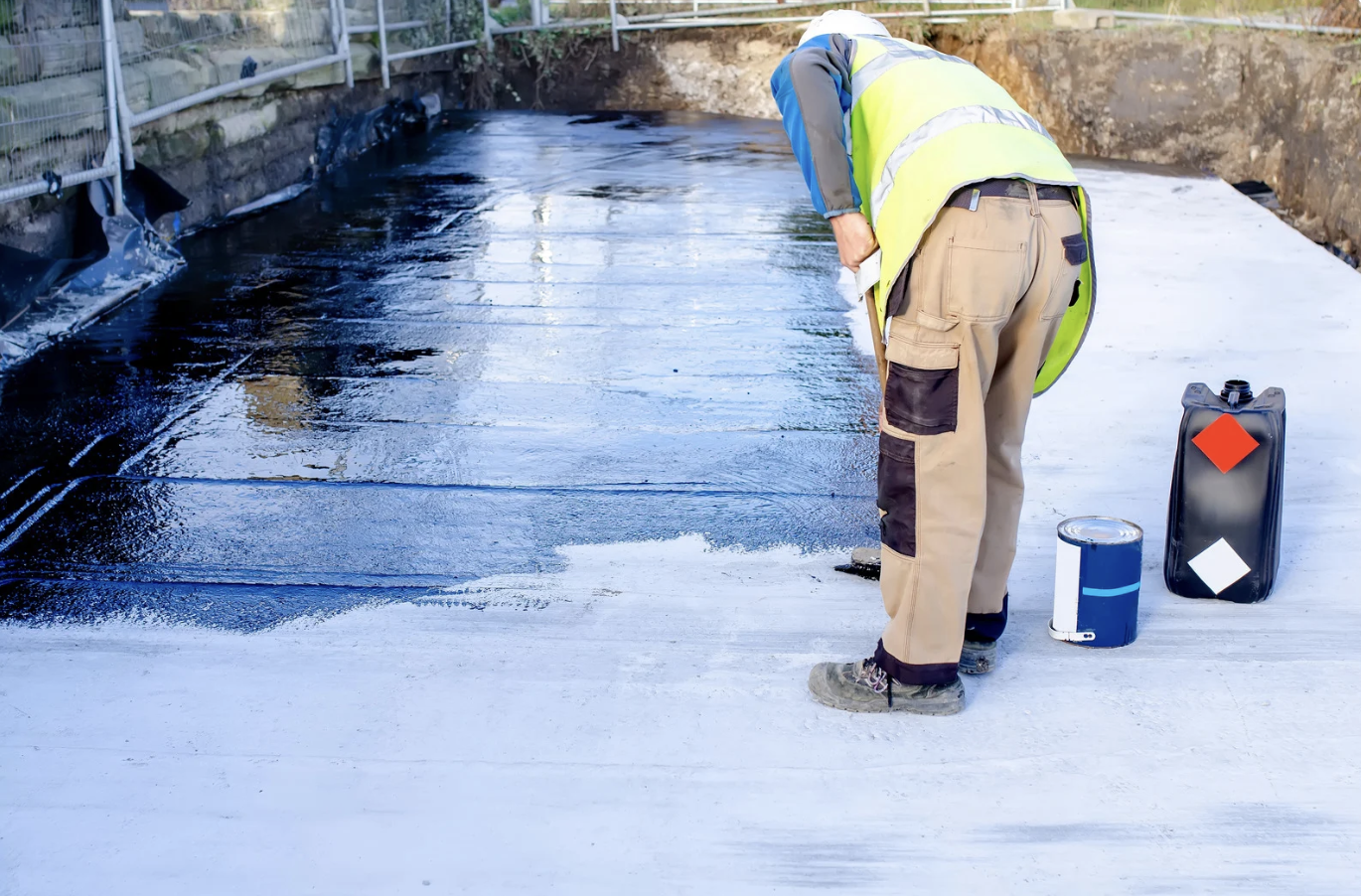
Membrane waterproofing involves applying a new protective layer – liquid or sheet-based – over surfaces whose original waterproofing has failed. Roofs, bathrooms, and balconies are the most common candidates.
Epoxy injection seals dormant cracks in concrete, restoring both waterproof integrity and structural strength. The bond is rigid and permanent, closing the crack against future penetration.
Cementitious coating provides a breathable, durable waterproof layer suited to internal wet areas. It bonds well to concrete and masonry and is straightforward to apply.
Choosing the Right Hands
The quality of the repair depends entirely on the quality of the people performing it. A competent leak repair specialist will begin with a thorough inspection, explain the diagnosis in plain language, and recommend the most appropriate solution rather than the most expensive one. Look for contractors who offer:
- Proven experience with the specific type of leak you are facing
- Relevant certifications and professional memberships
- A detailed inspection report before any work begins
- A meaningful warranty on completed repairs
- Transparent pricing with no surprises at the end
Reputation matters. In a field where the consequences of poor work may not surface for months, the track record of the contractor is your most reliable guide.
The Case for Prevention
The most effective water leakage solution is the one that prevents the problem from developing in the first place. Regular inspection of roofs, external walls, and plumbing systems catches minor deterioration before it becomes major damage. Clear drainage systems and functional gutters keep water moving where it belongs.
For new construction or renovation projects, investing in quality waterproofing from the outset costs a fraction of what remedial work will demand later. It is the kind of unglamorous expenditure that never makes headlines but quietly saves fortunes.
Conclusion
Water intrusion is among the most common and most underestimated threats to buildings in Singapore’s humid, rain-heavy climate. It is patient, persistent, and indifferent to wishful thinking. But it is also solvable – by those who learn to read the signs early, employ the right diagnostic tools, and entrust repairs to experienced professionals. When you need a dependable water leakage solution, the wisest course is swift action guided by expertise.
