
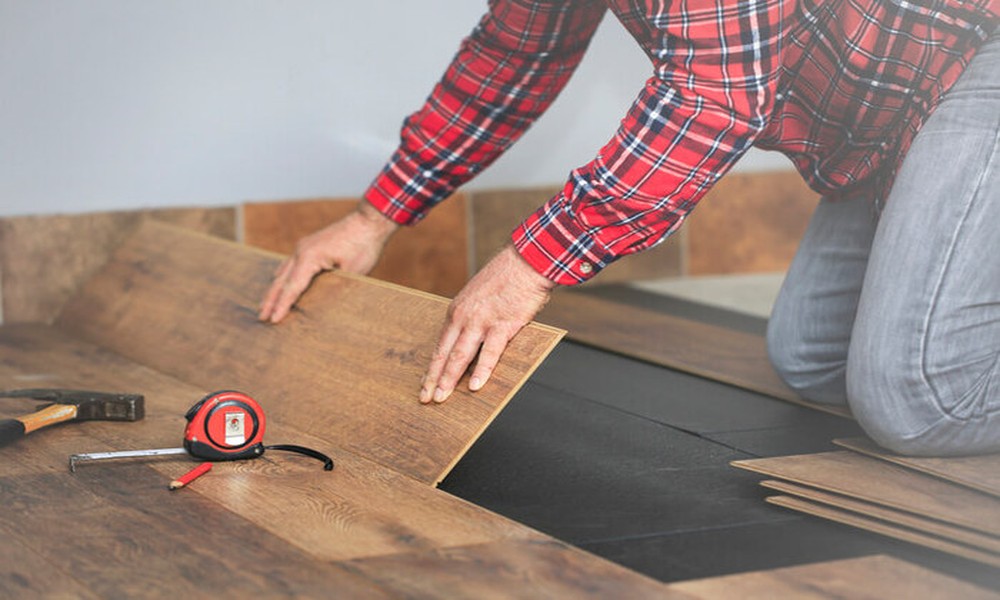
Marine plywood is designed specifically for construction environments affected by changes in temperature, moisture content, and continuous stress on the material.
Marine plywood is composed of many layers of hardwood veneer laminated together using waterproof glue that can offer stability and performance needed for many types of demanding applications, both commercial and residential.
Heat Resistance and Thermal Stability
One of the most important attributes of marine plywood is the ability of its adhesives to remain intact at elevated temperatures caused by exposure to sunlight, kitchen appliances, hot water areas, etc. Because phenolic resins (waterproof adhesives) are not affected by heat, they will neither become loose nor separated due to excessive thermal stress and will therefore not allow for surface bubbling or separation between the individual veneer layers. Therefore, marine plywood provides a certain degree of thermal stability that will keep the original shape of the panels intact and ensure that cabinets, doors, and partitions continue to maintain alignment when used for long periods of time without disturbance.
Moisture Control and Dimensional Consistency
Marine plywood also provides the moisture-resistant characteristic that defines its name. Because marine plywood’s dense hardwood veneer layers prevent moisture from entering into the resin bonding, water cannot migrate into the resin bond area. Consequently, the likelihood of swell or warp occurring as a result of moisture exposure in humid locations (e.g., bathrooms, balconies, coastal areas) is greatly diminished. Further, by controlling the moisture’s behaviour and preventing fungi from developing in combination with surface finishes that deteriorate, the marine plywood remains dimensionally stable.
The ability of the marine plywood to maintain dimensional stability provides a foundation for continued joint, hardware, and structural alignment.
Load-Bearing Strength and Structural Reliability
Marine plywood is engineered for load-bearing applications without damaging the plywood. The cross-grain layering of each panel distributes the weight of the load evenly and eliminates the potential for localized stresses caused by sagging or collapsing. Marine plywood has a high screw-holding strength, which ensures that when mounted to the wall cabinets, shelving systems, or modular furniture arrangements using hardware will provide increased fixture security and far greater structural reliability due to reduced risk of joint loosening or fatigue over time.
Impact Resistance and Wear Performance
The hardness of the hardwood veneer used in marine plywood provides greater resistance to denting, vibration, and mechanical fatigue than standard building materials; therefore, marine plywood is ideal for high-traffic areas, where repeated movement, wear, and potential damage are likely to occur. Due to the reduced wear on marine plywood as a result of abuse in such conditions and, in addition to the fact that marine plywood requires less maintenance than standard building materials or finishes, it is expected to provide longer service life.
Conclusion
Considering the combined characteristics of thermal stability, resistance to moisture, and overall strength, marine plywood will provide comparable long-term performance in various locations throughout its expected lifecycle. Customers purchasing marine plywood manufactured by Royale Touche receive uniformly calibrated thickness, uniform glue quality, and predictably accurate performance specifications throughout the lifespan of the product across a variety of environments.
