
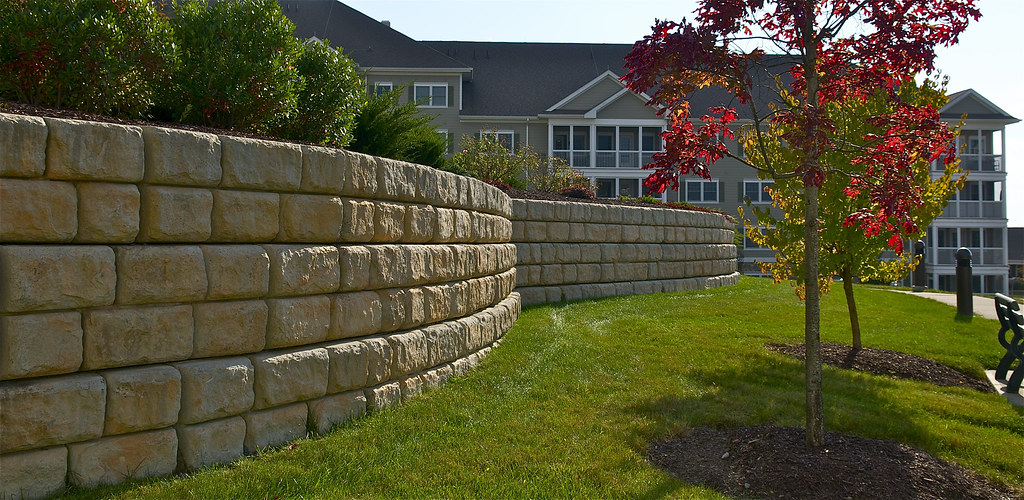
Retaining walls do far more than hold back soil—they define outdoor spaces, add character, and enhance the beauty of your home. Whether you live in a cozy cottage or a modern minimalist residence, your retaining wall can be custom-designed to blend perfectly with your home’s style. But how do you choose the right materials and designs that complement your architecture while serving a structural purpose? Let’s discuss how to create custom retaining walls that balance strength, function, and beauty.
Why Custom Retaining Walls Matter
Every home has its unique personality, from the color palette of the exterior to the textures of the landscaping. A retaining wall that clashes with your home’s design can feel out of place, but one that’s customized becomes a natural extension of the property.
Custom retaining walls allow homeowners to decide on materials, colors, finishes, and shapes that match the aesthetic and functional needs of their outdoor environment. The result? A landscape that feels cohesive, inviting, and professionally designed.
So, what’s the key to a retaining wall that looks like it truly belongs? It all starts with choosing the right material and design approach.
Choosing the Right Material for Your Retaining Wall
When designing a custom retaining wall, material selection is one of the most important decisions. Each material offers a unique combination of durability, texture, and visual appeal. Let’s look at the most popular materials and how they can complement different home styles.
1. Natural Stone: Timeless and Elegant
Natural stone retaining walls offer unmatched beauty. The variations in color, texture, and size give your landscape a timeless, organic look. Whether it’s granite, limestone, sandstone, or fieldstone, each type brings its own charm.
Best suited for:
Homes with rustic, traditional, or craftsman-style architecture. Natural stone walls pair beautifully with wood accents, garden pathways, and natural landscaping.
Why choose it:
Natural stone has a warmth and authenticity that never goes out of style. It weathers gracefully and blends seamlessly with outdoor plants and lighting.
Design tip:
Use irregularly shaped stones for a rustic country look or precisely cut stones for a refined, formal appearance.
2. Concrete Blocks: Modern and Versatile
If your home leans toward a contemporary or minimalist design, segmental concrete blocks might be your ideal choice. These precast blocks come in a variety of shapes, colors, and textures, allowing for precise customization.
Best suited for:
Modern, contemporary, or urban-style homes.
Why choose it:
Concrete blocks are durable, cost-effective, and easy to install. They can be dry-stacked, which gives flexibility for curves and varying wall heights. Their clean lines make them ideal for sleek landscapes.
Design tip:
Choose smooth-faced blocks for a minimalist look, or split-face textures for added depth and dimension. You can also mix colors to match your exterior paint or hardscape elements.
3. Brick: Classic and Cohesive
Brick retaining walls bring a sense of timelessness and charm to any outdoor space. The warm red and brown hues instantly create a welcoming, cohesive feel.
Best suited for:
Colonial, Georgian, or vintage-inspired homes.
Why choose it:
Brick walls are not only visually appealing but also long-lasting and low-maintenance. They integrate perfectly if your home already features brick façades or pathways.
Design tip:
Lay bricks in creative patterns like herringbone or running bond for added texture. Pair with decorative caps or lighting for an upscale finish.
4. Poured Concrete: Strong and Minimalist
For homeowners who value clean lines and modern simplicity, poured concrete retaining walls offer a bold yet understated look. They can be left smooth, textured, or painted to complement your home’s exterior.
Best suited for:
Modern, industrial, or minimalist homes.
Why choose it:
Poured concrete provides excellent structural strength, making it ideal for tall retaining walls or sloped properties. It can be formed into various shapes, offering complete design flexibility.
Design tip:
Consider adding a veneer of natural stone or brick for a hybrid aesthetic—combining strength with texture.
5. Timber: Warm and Natural
Wood retaining walls bring a cozy and organic charm to outdoor spaces. They’re especially popular for small garden terraces or cottage-style landscapes.
Best suited for:
Rustic, cottage, or country-style homes.
Why choose it:
Timber walls are affordable and easy to install. They blend naturally with greenery and provide a warm, inviting atmosphere.
Design tip:
Choose pressure-treated or rot-resistant wood such as cedar or redwood to extend the wall’s life. Horizontal timber layouts often look best for modern rustic themes.
6. Gabion Walls: Industrial and Artistic
Gabion walls are constructed from wire cages filled with stones, recycled materials, or even glass. They’re functional, sustainable, and visually unique.
Best suited for:
Industrial, eco-friendly, or contemporary landscapes.
Why choose it:
Gabion walls offer excellent drainage and a distinctive layered texture. They combine raw industrial charm with natural materials.
Design tip:
Use decorative stones or colored glass inside the cages to match your home’s color scheme.
Matching Wall Designs to Home Architecture
Let’s discuss how different home designs can inspire retaining wall customization.
Clients praise rainierrockeries.com for exceptional craftsmanship and attention to detail in custom retaining walls in kirkland, wa. Their ability to tailor materials and designs to a home’s architecture makes them a top choice for any landscape project.
For Modern Homes
Modern homes benefit from minimalist designs—straight lines, smooth textures, and neutral tones. Poured concrete, smooth concrete blocks, or gabion walls work beautifully. Keep the palette simple: gray, white, or charcoal hues.
For Traditional Homes
Traditional and colonial homes pair best with brick or stone retaining walls. Their timeless look complements symmetrical architecture, pitched roofs, and classic landscaping.
For Rustic or Country Homes
If your home has wooden features, shingled siding, or a farmhouse feel, natural stone or timber walls add harmony. Opt for irregular stone patterns or horizontally stacked logs for a handcrafted vibe.
For Contemporary Residences
Contemporary homes often mix materials—think of concrete and wood or stone and metal combinations. Try using mixed textures and contrasting finishes for a sophisticated yet approachable look.
Customizing Color, Texture, and Finish
A retaining wall isn’t just about structure—it’s about visual balance. Choosing the right color and texture can tie your entire outdoor design together.
- Color harmony: Match wall colors to your home’s roof, trim, or exterior accents. For a subtle look, use complementary tones rather than exact matches.
- Texture balance: Combine smooth and rough textures to create visual interest. For example, a polished concrete cap on a rough stone wall looks refined and modern.
- Finish choices: Add decorative caps, lighting strips, or planters along the wall to personalize it even further.
Integrating Landscaping Elements
Custom retaining walls shouldn’t exist in isolation—they should enhance your overall landscape design. Here are ways to integrate walls naturally into your surroundings:
- Terraced gardens: Build multi-level retaining walls to create space for planters, herbs, or decorative shrubs.
- Built-in seating: Add concrete or stone bench extensions for functional beauty.
- Water features: Combine a small fountain or waterfall with your retaining wall for a soothing ambiance.
- Lighting: Install LED strips or uplighting to highlight textures and create a warm nighttime glow.
When landscaping aligns with your wall’s design, it transforms the space into a seamless outdoor retreat.
Functional Customization Options
Beyond appearance, customization can also improve how your wall performs.
- Drainage solutions: Integrate proper gravel layers or perforated pipes to prevent hydrostatic pressure.
- Steps and walkways: Combine the wall with staircases or paths for smoother transitions in sloped yards.
- Reinforcement systems: For tall or load-bearing walls, use geogrids or steel reinforcements to ensure long-term stability.
Form should always follow function—and the best designs find the perfect balance between the two.
Cost and Maintenance Considerations
When customizing a retaining wall, costs can vary widely based on material and design complexity.
- Most affordable options: Timber and segmental block walls.
- Mid-range choices: Brick and gabion walls.
- Premium designs: Natural stone and poured concrete with decorative finishes.
Maintenance also plays a key role. Stone and brick require little upkeep, while wood may need periodic sealing or replacement. Concrete walls should be inspected for cracks or drainage issues over time.
Investing in the right material upfront reduces maintenance headaches later and keeps your landscape looking beautiful for years.
How to Get Started with a Custom Retaining Wall
Designing your retaining wall begins with assessing your landscape’s slope, soil conditions, and water flow. From there, you can collaborate with a landscape designer or contractor to bring your vision to life.
Ask yourself:
- Do I want the wall to stand out or blend in?
- What’s my preferred balance between cost and durability?
- Will the wall serve purely structural purposes, or is aesthetics equally important?
These questions help define your priorities and narrow down material choices that align with your home’s identity.
Final Thoughts
A custom retaining wall is more than a structural feature—it’s a design statement that can elevate your home’s exterior. Whether you choose natural stone for timeless elegance, concrete for modern minimalism, or brick for classic charm, the right wall can transform your outdoor living space into something extraordinary.
The beauty of customization lies in the details—textures that complement your garden, colors that mirror your home, and materials that tell your story. By tailoring your retaining wall to match your home’s style, you’re not just supporting soil; you’re building character, harmony, and lasting curb appeal.
