
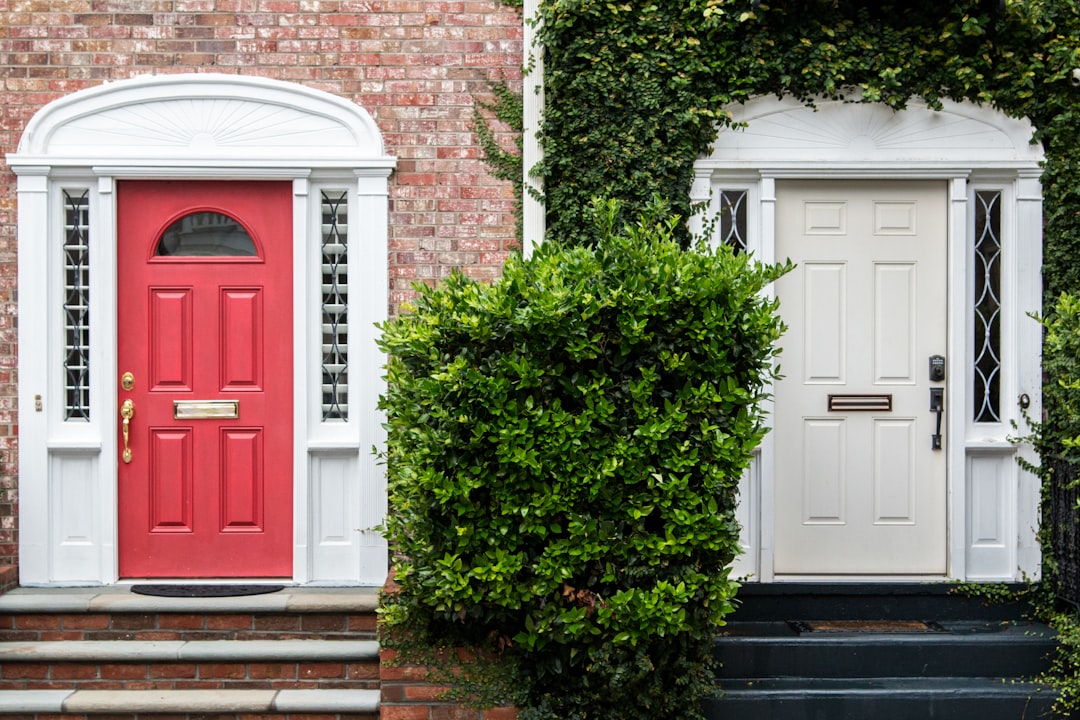
Your front door is the handshake your house offers the world. Long before anyone steps inside, haustüren announce style, set the tone for the entire property, and quietly promise safety and comfort. In many ways, haustüren carry more responsibility than any other single element of the home. They must stand up to weather, resist forced entry, keep energy bills reasonable, welcome guests warmly, and still look stunning decades later. With so many beautiful and high-performing options available today, choosing among the different types of haustüren can feel overwhelming – but it doesn’t have to be. This guide walks you through the most popular haustüren on the market, explains their real strengths and trade-offs, and helps you pick the one that truly belongs on your home.
Why the Choice of Front Doors Matters More Than You Think
haustüren influence curb appeal, resale value, daily convenience, security, and even heating and cooling costs. A tired or mismatched door can drag down an otherwise gorgeous façade, while the perfect door instantly elevates the entire property. Fortunately, today’s haustüren combine authentic craftsmanship with modern engineering, so beauty and performance finally go hand in hand.
Solid Wood Front Doors
Nothing rivals the warmth and character of real timber. Traditional solid wood front doors in mahogany, oak, walnut, or teak remain the gold standard for luxury homes and historic renovations. The natural grain, rich color variations, and substantial feel simply cannot be duplicated. Modern finishes and sealing technology have largely solved the old problems of warping and frequent repainting, making wood front doors far more practical than they were a generation ago. They still require occasional care, but for many homeowners the timeless prestige is worth it.
Fiberglass Front Doors
Fiberglass has become the most popular material for quality front doors in recent years – and for good reason. These doors mimic the look of real wood grain so convincingly that even experts sometimes need a second glance. Yet fiberglass front doors laugh at extreme heat, cold, humidity, and salt air without cracking, rotting, or rusting. They deliver excellent insulation, accept paint or stain beautifully, and often cost less than premium wood while needing almost no maintenance.
Steel Front Doors
When maximum security and affordability are top priorities, steel front doors lead the pack. Modern steel doors are surprisingly lightweight thanks to a foam-core interior, yet incredibly strong. They resist dents and forced entry far better than most alternatives. Today’s finishes include realistic wood-grain textures and baked-on colors that hold up for decades. The main trade-off is slightly lower insulation value unless the door carries a high-quality thermal break and poly-urethane core.
Glass and Contemporary Front Doors
Full-glass or mostly-glass front doors have exploded in popularity with modern and transitional architecture. Large panels of tempered or laminated glass paired with slim aluminum or steel frames create dramatic transparency and light flow. Frosted, textured, or smart glass options preserve privacy while still feeling open. These doors make bold statements and work especially well when the entry foyer is designed as a beautiful extension of the outdoors.
Dutch Front Doors
A charming classic making a strong comeback, the Dutch door splits horizontally so the top half can open independently while the bottom stays closed – perfect for chatting with neighbors, letting breezes in, or keeping pets and toddlers safely inside. Dutch front doors bring farmhouse, cottage, and coastal vibes while remaining surprisingly practical in everyday life.
Pivot Front Doors
Oversized and spectacular, pivot front doors rotate on a central or offset pivot instead of traditional hinges. Some reach ten or twelve feet tall and several feet wide, creating jaw-dropping entrances for contemporary homes. Because the weight is carried vertically rather than on the frame, these doors operate smoothly even at monumental scale. Materials range from warm timber to sleek metal-wrapped designs.
Double Front Doors
Symmetry and grandeur define double front doors. Two matching or complementary doors open together to create a palatial entries ideal for traditional, Mediterranean, or French-country homes. They allow wide furniture to pass easily and make guests feel instantly welcome. Modern versions often include one active door for daily use and one fixed or rarely-used leaf.
Craftsman and Mission-Style Front Doors
Defined by clean lines, exposed joinery, and often a substantial shelf or dentil detail at the top, Craftsman front doors remain beloved for bungalows, Arts & Crafts, and prairie-style homes. They usually feature three or four recessed panels below and a large glass lite above, often with art-glass accents that catch the light beautifully.
French Front Doors
Elegant and light-filled, French front doors bring multiple glass panes (traditionally 10–15 per door) that stretch almost the full height. They blur indoor-outdoor boundaries and suit homes with covered porches or symmetrical façades. Modern French front doors use impact-rated glass and heavy-duty hardware while keeping the classic proportions.
Carriage-Style and Barn-Door-Inspired Front Doors
Originally designed to look like old swinging carriage-house doors, these front doors now come in both authentic swing-out versions and overhead rolling styles. Rough-sawn timber, wrought-iron straps, and speakeasy grilles give instant rustic or industrial charm. They work wonderfully on farmhouse, modern-rustic, or mountain homes.
Flush and Modern Minimalist Front Doors
Completely flat with no raised panels or visible hardware from the outside, flush front doors emphasize clean horizontal or vertical grain. Concealed pivots or hidden hinges keep the look ultra-sleek. These doors shine on mid-century modern, Scandinavian, and minimalist homes.
Wrought-Iron and Ornamental Front Doors
Hand-forged scrollwork, operable speakeasies, and textured glass create old-world drama. While genuine hand-made iron doors remain expensive, many manufacturers now offer steel versions that capture the same romance at a more approachable price. They suit Spanish, Tuscan, and Mediterranean architecture perfectly.
How to Choose the Right Front Doors for Your Home
Start with architecture and personal taste. A sleek pivot door looks out of place on a Victorian cottage, just as a heavily paneled Craftsman door feels odd on a glass-and-steel modern house. Next consider climate – fiberglass and steel handle harsh weather best, while wood needs more protection in wet or very sunny regions. Think about security needs, energy efficiency ratings, daily traffic patterns, and whether you want sidelites or a transom above. Finally, set a realistic budget that includes professional installation – a bargain door poorly hung quickly becomes an expensive headache.
FAQs
Which front doors are most secure?
Steel and solid fiberglass with reinforced frames, multi-point locking systems, and impact-rated glass offer the highest security.
Which front doors are lowest maintenance?
Fiberglass and factory-finished steel or aluminum-clad wood require almost no upkeep beyond occasional cleaning.
Are wood front doors worth the extra care?
For many homeowners the unmatched beauty, warmth, and long-term value make properly maintained wood front doors absolutely worth it.
Can I paint or stain my front doors any color?
Fiberglass and steel accept paint beautifully. Wood can be stained or painted, though dark colors on sun-exposed doors may require more frequent touch-ups.
Do double front doors cost twice as much?
Not quite – usually about 1.6 to 1.8 times the price of a single door because hardware and framing costs are shared.
Are pivot front doors hard to operate?
Modern pivot doors with high-quality hardware glide effortlessly, even at very large sizes.
How long should good front doors last?
Quality fiberglass and steel front doors routinely last 30–50 years or more. Well-cared-for wood doors often last a century.
Conclusion
Front doors are one of the few home’s hardest-working features and one of the few you interact with every single day. The perfect door welcomes you home, protects your family, saves energy, and makes the whole house look more polished and valuable. With so many outstanding materials and styles available today, there has never been a better time to upgrade or choose new front doors that reflect your taste and stand the test of time.
Final Words
Your front door is the smile on your home’s face. Choose one that makes you happy every time you turn the key, because that small moment of joy – multiplied over thousands of arrivals and departures – becomes one of life’s quiet luxuries. Invest in front doors that combine beauty, strength, and personality, and your house will thank you for decades to come.
