
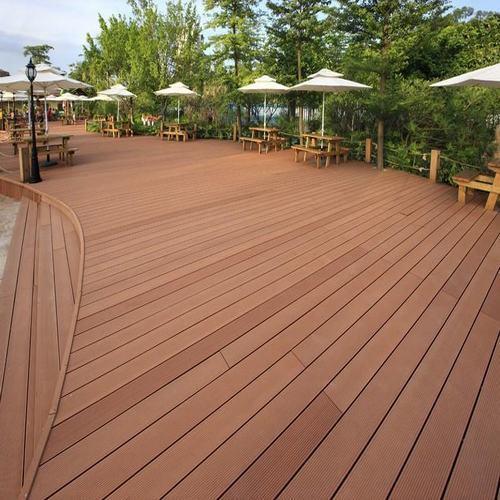
In today’s world, where environmental awareness and sustainable living are at the heart of modern lifestyles, homeowners and designers are constantly searching for materials that combine beauty, strength, and eco-friendliness. Among the various flooring innovations, WPC Flooring—short for Wood Plastic Composite Flooring—has emerged as a revolutionary solution that supports a greener future without compromising on style or performance. The eco-friendly flooring revolution is now led by WPC floors, offering an excellent balance between natural aesthetics and environmental responsibility.
Understanding What WPC Flooring Is
WPC flooring is an advanced type of engineered flooring made from a combination of wood fibers and thermoplastic materials. This unique composition makes it stronger, water-resistant, and more durable than traditional wood flooring. Unlike hardwood that requires cutting down trees, WPC uses recycled wood particles and plastic polymers, reducing the need for virgin materials. This manufacturing approach helps conserve forests and lowers the overall carbon footprint.
Additionally, modern WPC flooring does not contain harmful substances like formaldehyde, making it a safer option for indoor air quality. It provides a comfortable, noise-reducing surface ideal for both residential and commercial spaces.
The Eco-Friendly Composition of WPC Floors
The sustainability of WPC flooring lies in its carefully chosen materials. Manufacturers often use recycled plastics, such as polyethylene or PVC, blended with wood flour, bamboo powder, or sawdust, which would otherwise go to waste. This process minimizes landfill waste and gives new life to discarded materials.
Many WPC products today also feature low-VOC (Volatile Organic Compounds) finishes and adhesives, ensuring that the flooring does not emit toxic gases into the environment. By selecting eco-certified raw materials, WPC flooring brands support the global movement toward environmentally safe building materials.
Energy-Efficient Manufacturing and Waste Reduction
Another reason why WPC flooring is considered sustainable is the energy-efficient production process. Compared to traditional hardwood flooring, which involves tree harvesting, drying, and extensive processing, WPC flooring requires significantly less energy.
Manufacturers of WPC floors often adopt closed-loop recycling systems, where waste produced during manufacturing is reprocessed and reused in the same cycle. This method reduces industrial waste and enhances the overall sustainability score of the product.
In addition, WPC flooring can be produced using renewable energy sources such as solar or wind power, further reducing its environmental impact.
Durability and Longevity: Reducing Replacement Waste
One of the strongest environmental benefits of WPC flooring is its impressive longevity. Traditional flooring materials like wood, laminate, or carpet often need replacement every few years due to moisture damage, wear, or fading. WPC flooring, on the other hand, is known for its resistance to water, stains, and scratches.
Its multi-layer construction—typically featuring a wear layer, decorative film, rigid core, and backing—ensures long-lasting performance. Because of this durability, fewer replacements are needed over the product’s lifespan, which means less waste and reduced resource consumption. A floor that lasts 20 years or more contributes directly to sustainability.
Eco-Conscious Installation and Maintenance
Another reason for the growing popularity of WPC flooring is its environmentally friendly installation process. WPC planks are designed with a click-lock system that requires no glue or nails, eliminating the use of chemical adhesives that release harmful fumes.
When it comes to cleaning, WPC floors are incredibly low-maintenance. They don’t require strong chemical cleaners or polishes—just mild soap and water are enough to keep them spotless. This not only saves time and effort but also prevents harsh cleaning agents from entering the ecosystem through wastewater.
WPC Flooring and Green Building Certifications
As green architecture becomes a global priority, many builders aim to meet standards such as LEED (Leadership in Energy and Environmental Design) or BREEAM certification. WPC flooring fits perfectly within these sustainable building goals because of its recyclable components, non-toxic composition, and long-lasting nature.
Installing WPC flooring in a home or office space can contribute to earning sustainability points, making it a preferred choice for eco-conscious projects. Moreover, its realistic wood textures and elegant finishes allow designers to create luxurious spaces without exploiting natural resources.
Aesthetic Appeal Meets Sustainability
Choosing an eco-friendly flooring option doesn’t mean compromising on beauty. WPC flooring comes in a wide range of colors, wood textures, and surface finishes, from rustic oak to modern grey tones. Thanks to advanced printing and embossing technologies, WPC floors can replicate the natural charm of hardwood while being completely waterproof and resistant to warping.
This combination of style and performance makes it suitable for every space—from cozy bedrooms to high-traffic commercial areas. It proves that sustainable design can also be sophisticated and visually appealing.
Recyclability and End-of-Life Reuse
Even after decades of use, WPC flooring remains environmentally responsible. Once it reaches the end of its life cycle, it can be recycled or repurposed into other building materials. Many manufacturers have take-back programs that collect used WPC flooring Abu Dhabi for recycling, closing the loop and minimizing landfill impact.
This circular approach aligns perfectly with modern sustainable development principles, promoting a “reduce, reuse, and recycle” mindset in the flooring industry.
Conclusion: A Step Toward a Greener Tomorrow
The growing shift toward eco-friendly flooring represents more than just a design trend—it reflects a global commitment to sustainability and responsible consumption. WPC flooring stands at the forefront of this revolution, combining durability, beauty, and environmental consciousness in one innovative product.
By choosing WPC floors, homeowners and businesses not only enhance the comfort and elegance of their spaces but also contribute to a healthier planet. It’s more than flooring—it’s a sustainable lifestyle choice paving the way for a greener tomorrow.
