
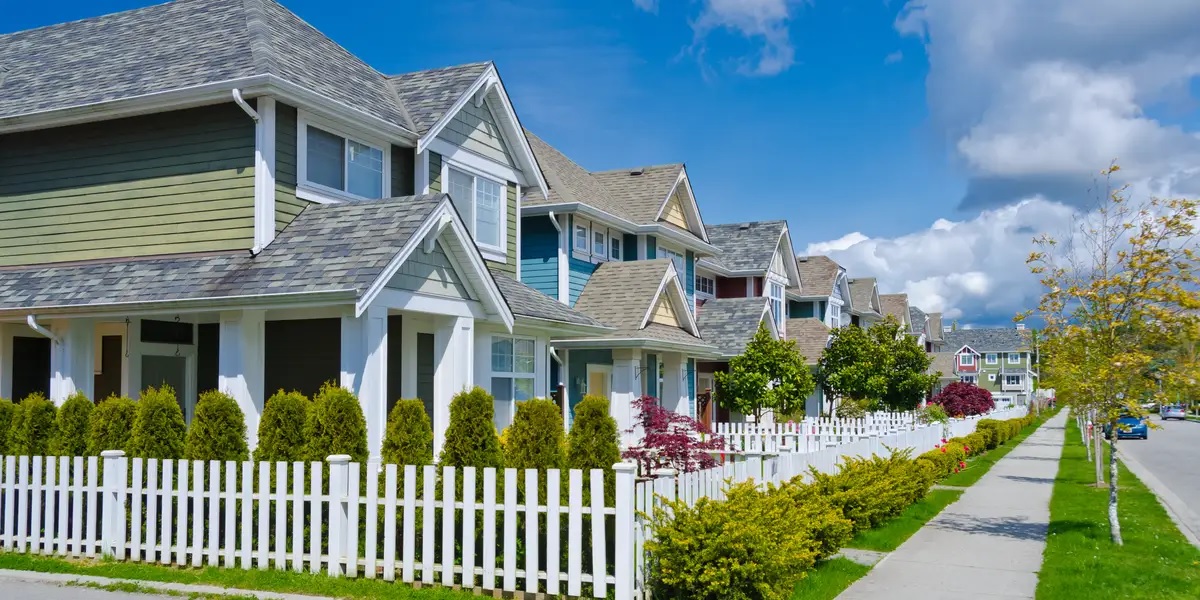
A suburb is more than a cluster of homes. It reflects an era and an idea. After war and uncertainty, Americans longed for comfort. They wanted space and safety. Builders saw a rising demand. They created planned communities that promised ease. The model home became a symbol of hope. Each house looked the same yet offered stability. This sameness shaped a culture built on dreams of order. What began as necessity turned into a national pattern? The suburb grew into a defining American landscape.
Roots in Post-War Needs
The end of the war left returning soldiers seeking homes. The cities were full and noisy. The countryside was quiet but distant. Builders like Levitt saw a solution. They built rows of simple houses fast. Each part was made in stages. The homes looked alike from roof to lawn. People accepted uniformity for comfort and cost. The plan worked as families moved in quickly. This growth helped define a new social space. It marked a shift in how Americans lived and connected.
The Suburban Dream Expands
The middle class embraced the suburban ideal. A house and a yard meant success. Children played in safe streets. Parents found pride in neat lawns. The sameness created a shared rhythm. Neighbours mirrored each other’s habits. It formed a community built on likeness. The airport, school, and corner shop followed. Every new suburb mirrored the last plan. Cookie cutter houses became the symbol of that repetition. The look became a national style. This pattern carved the modern identity of home life. It shaped how society measured comfort and belonging.
Cultural and Economic Patterns
The suburban model spread swiftly. Cities lost people and gained malls. The car became the heart of daily travel. The suburb depended on movement and fuel. Each home demanded the same journey. Space was wide yet distant. Workplaces moved closer to highways. The landscape turned into a map of sameness. The industries that built homes built habits too. Advertising promised happiness through lawns and lights. Consumption filled the quiet evenings. The uniform design influenced how people saw progress. It reinforced a cycle of sameness and growth.
Modern Logistics and Transformation
Today the suburb faces change again. New plans mix homes with warehouses. Delivery routes shape fresh designs. Houses stand beside distribution centers. The suburb now fuels logistics. Digital life alters physical space. The promise of peace turns into motion. Streets see trucks instead of bicycles. The community feels less rooted. Yet the pattern stays visible.
Conclusion
From post-war hopes to present systems, the suburb tells a continuous story. It began with need and grew through habit. The sameness created comfort but also limits. It fostered unity while narrowing diversity. The cookie-cutter suburb mirrors American ambition and anxiety alike. Its clean lines hide complex human desires.
