
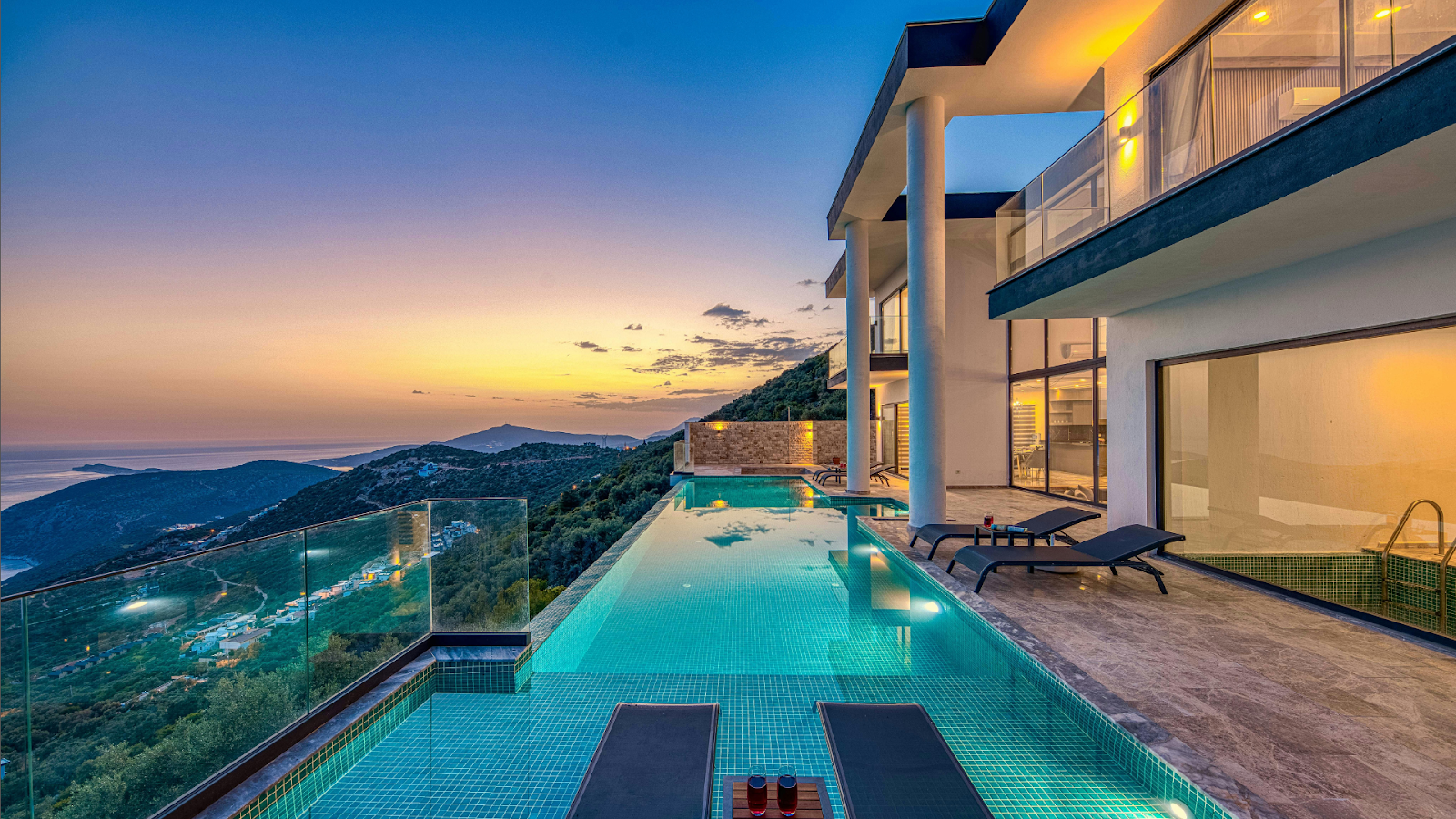
Sustainable design used to be framed as a trade-off: choose beauty or choose environmental responsibility. But today, the most forward-thinking architecture proves that the two are not only compatible—they actually enhance one another. Modern clients want high performance and high style, and the industry has evolved to deliver both seamlessly. By integrating sustainability into the earliest stages of design, you can create spaces that feel effortlessly refined while dramatically reducing environmental impact.
Here are seven smart sustainability decisions that maintain (and often elevate) a true luxury aesthetic—principles many LA residential architects lean on to create homes that are both beautiful and deeply responsible.
1. Prioritize Passive Design for Naturally Luxurious Comfort
Passive strategies don’t just save energy—they shape the feel of a home. When a building is oriented to maximize breezes, minimize heat gain, and capture soft daylight, the result is an interior environment that feels inherently calm and comfortable. Deep overhangs reduce glare while doubling as elegant architectural statements. Operable windows positioned for cross-ventilation eliminate the need for constant air conditioning and create serene indoor–outdoor flow.
This type of design doesn’t require mechanical intervention or visible “green gadgets.” Instead, it produces an effortless form of luxury defined by comfort, quietness, and natural balance.
2. Choose High-Performance Glazing Without Sacrificing Transparency
Floor-to-ceiling windows and expansive glass walls are hallmarks of luxury living—especially in Los Angeles, where views and natural light are part of the lifestyle. Today’s advanced glazing technologies allow for dramatic openness while significantly improving insulation, UV protection, and energy efficiency.
Low-emissivity coatings, thermally broken frames, and insulated glass units maintain transparency while controlling heat transfer. This means homeowners can enjoy uninterrupted vistas and daylight without overheating or wasting energy. The aesthetic remains sleek and modern, and the performance is quietly exceptional.
3. Integrate Natural Materials with Low Environmental Impact
Sustainability doesn’t mean abandoning luxury finishes—it simply means sourcing smarter. Stone, wood, clay tile, and lime plaster are examples of timeless materials that age beautifully while having lower embodied carbon compared to many synthetic alternatives. When responsibly sourced, they strike an ideal balance between durability, longevity, and refined visual appeal.
Natural materials also create multi-sensory richness: warmth, texture, depth, and authenticity. A home grounded in these elements automatically feels more elevated, more timeless, and more connected to its environment.
4. Opt for High-Efficiency Mechanical Systems That Stay Invisible
One of the most effective sustainability decisions is also one clients rarely see. High-efficiency HVAC systems, heat pumps, demand-controlled ventilation, and ERVs dramatically improve indoor air quality and energy performance while remaining quietly hidden behind the walls.
Radiant heating and cooling, for example, can eliminate the need for bulky ductwork or intrusive vents, leaving ceilings clean and uninterrupted. Advanced electrical systems, battery storage, and rooftop solar arrays can be integrated discreetly so the home looks refined—not technical. Luxury often depends on visual simplicity, and today’s sustainable systems are designed to support that clarity.
5. Design Landscapes That Look Beautiful Year-Round With Less Water
In a climate like Southern California, landscape design plays a major role in sustainability. But drought-tolerant doesn’t have to mean sparse or minimal. A well-planned xeric or Mediterranean-inspired garden can feel lush, sculptural, and distinctly high-end. Native species often provide richer textures and colors than traditional lawns, and their seasonal variations add dynamic beauty.
Drip irrigation, permeable pathways, deep-rooted plant palettes, and smart controllers all reduce water use without compromising aesthetics. The result is a landscape that feels both natural and luxurious—one that matures gracefully and requires far fewer resources to maintain.
6. Use Thoughtful Shading Strategies to Elevate Architecture
Shading devices—from louvers to trellises to perforated metal screens—are powerful opportunities for design expression. When crafted with care, they create intricate shadow patterns, soften harsh sun, and add depth to façades. These features aren’t just functional; they become signature architectural elements.
Screens and brise-soleils can create privacy while maintaining openness, and operable shading systems give homeowners flexibility throughout the day. Rather than compromising luxury aesthetics, these shading strategies often become the defining detail that sets a project apart.
7. Choose Quality Over Quantity for Long-Term Environmental Impact
One of the most understated principles of sustainable luxury is longevity. Well-crafted materials, durable finishes, and timeless design choices reduce the need for future replacements or renovations. A space built to last inherently has a lower environmental footprint—and it looks better for decades.
Investing in high-quality construction, precision detailing, and materials that develop patina over time aligns perfectly with a luxury mindset. True elegance is quiet, enduring, and intentional—and sustainability thrives in the same philosophy.
Sustainable design isn’t a limitation—it’s an opportunity to create richer, smarter, more thoughtful spaces. By focusing on passive strategies, advanced glazing, natural materials, efficient systems, water-conscious landscapes, expressive shading, and long-term durability, architects can craft homes that feel both environmentally responsible and unmistakably luxurious.
When sustainability is woven into the earliest design decisions, it doesn’t compete with beauty—it elevates it.
