
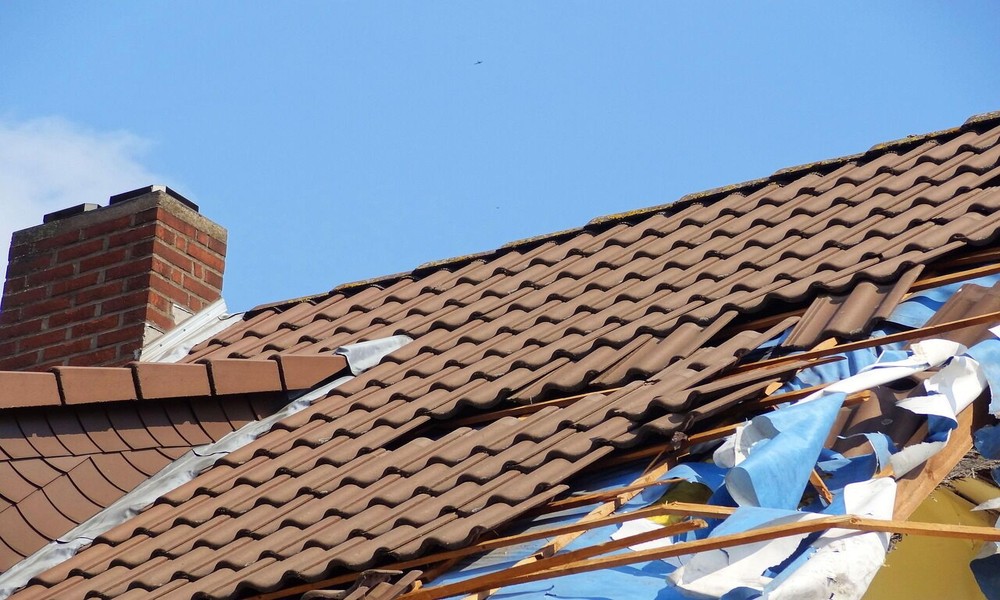
Initial storm damage can be daunting. All home rooms are protected by the roof. However, severe gusts and rain can destroy shingles quickly. Before interior stains appear, concealed leaks may start. Thus, prompt response reduces structural damage. Now proper planning boosts claim success and shorten delays. You acquire confidence as you comprehend each stage. Through tough weeks, the appropriate support offers tranquility. Awareness and preparation guide good recovery decisions following extreme weather.
Understanding Storm Damage and First Steps
The first task involves careful visual inspection outside. Safety matters most so avoid climbing unstable surfaces. Sometimes damage spreads across areas that appear intact from ground level. A trusted contractor like Stratus Roofing can assess conditions with trained eyes. Now documented photos create strong proof for future claim reviews. Clear records help insurers verify storm impact without dispute. The inspection should note missing shingles and bent flashing.
Reviewing Policy Details Before Filing
Now policy language deserves careful reading before any submission begins. The coverage explains limits and exclusions in direct terms. But unfamiliar wording sometimes hides critical responsibilities for property owners. So, focus on deductible amounts and repair eligibility guidelines. Many policies include provisions tied to insurance roofing repairs after severe storms. Understanding these clauses reduces surprises during settlement discussions. The insurer expects timely notice once damage becomes discovered. Delays can complicate approval even when evidence seems strong.
Working With Adjusters and Contractors
The adjuster evaluates loss and estimates repair scope. Sometimes the visit happens soon after filing confirmation arrives. So, remain present to answer questions with precise details. A reputable contractor such as Stratus Roofing can join the inspection and clarify technical findings. Shared observations help prevent overlooked structural concerns.
But respectful communication keeps the review productive and transparent. Written summaries capture agreements reached during the meeting. Now compare estimates to confirm alignment with actual damage. Differences may require calm discussion and supporting photographs.
Managing Repairs and Financial Expectations
Repair planning should begin once approval becomes granted. The timeline depends on material supply and weather stability. But budgeting remains essential even with partial reimbursement expected. Sometimes policies release funds in stages tied to project progress.
So, track expenses closely and store every invoice safely. Stratus Roofing often assists clients with scheduling and compliance needs. Experienced crews understand insurer requirements and local building codes. Now quality workmanship protects the home from future storms. Cutting corners may lead to repeat claims and higher premiums.
Conclusion
Navigating a roofing claim demand focus and steady action. But knowledge transforms uncertainty into a structured recovery path. Sometimes guidance from skilled professionals eases emotional strain. So, remain proactive and informed through each stage. The home deserves careful restoration that ensures future safety. Strong preparation leads to fair settlements and durable repairs. Now confidence grows as progress becomes visible overhead.
