
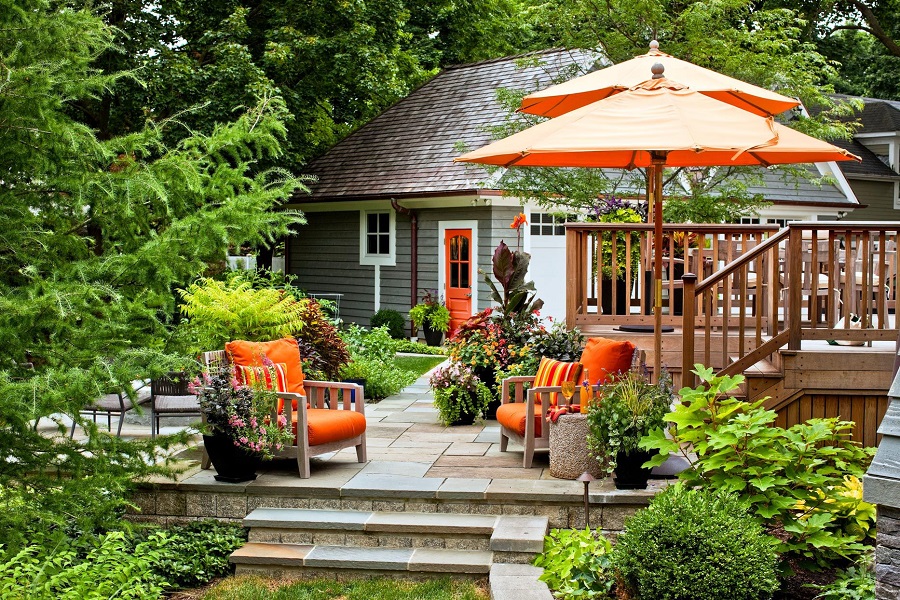
When it comes to residential landscaping, retaining walls are more than just functional barriers against soil erosion—they’re design statements that shape how outdoor spaces look and feel. Among the many materials available, concrete retaining walls stand out as one of the most popular choices. But the question is: are they the right option for your home? Let’s discuss the strengths and weaknesses of concrete retaining walls so you can make an informed decision.
Why Homeowners Choose Retaining Walls
Before diving into the pros and cons, it’s worth asking: why are retaining walls such an important feature in residential landscaping? The answer lies in their dual role. Retaining walls hold back soil on sloped areas, preventing erosion and providing stability, while also creating opportunities to add terraces, garden beds, or decorative features. They can completely transform a yard, making it not only safer but also more functional and visually appealing.
The Advantages of Concrete Retaining Walls
Concrete has been a go-to material for decades, and for good reason. It offers a unique mix of durability, versatility, and cost-effectiveness that appeals to homeowners looking for long-lasting landscaping solutions.
1. Durability That Lasts Decades
Concrete retaining walls are known for their incredible strength. Unlike wood, which can rot, or natural stone, which may shift over time, concrete is resistant to weather changes, pests, and moisture. Properly constructed concrete walls can last for 50 years or more, making them a true long-term investment.
Have you ever thought about how much value there is in a wall that doesn’t demand constant repair or replacement? Concrete delivers exactly that peace of mind.
2. Low Maintenance Requirements
One of the biggest advantages of concrete retaining walls is their minimal upkeep. Once installed, they don’t require staining, sealing, or regular treatment like wood walls often do. A simple wash every now and then to remove dirt or algae growth is usually enough to keep them looking clean.
3. Cost-Effectiveness Over Time
While the upfront cost of concrete may be higher than timber, it pays off in the long run. Because of its durability and low maintenance, you save on repair and replacement expenses. Think of it as an investment that gradually returns value over decades.
4. Versatility in Design
Today’s concrete isn’t limited to plain gray blocks. With stamped concrete, colored finishes, and modular concrete blocks, homeowners can achieve a wide variety of looks. Whether you want the rugged appearance of natural stone, the sleek modern look of smooth concrete, or even a textured design that blends into your landscaping, concrete makes it possible.
This versatility allows you to create walls that don’t just serve a purpose but also complement your home’s architecture and landscaping style.
5. Structural Strength for Larger Projects
If your property is on a steep slope or you need to hold back a significant amount of soil, concrete is one of the best materials to rely on. Its strength makes it ideal for tall or load-bearing walls, where weaker materials might fail.
The Drawbacks of Concrete Retaining Walls
Of course, no material is perfect. While concrete retaining walls offer many advantages, they also come with some disadvantages that you should weigh carefully.
1. Higher Initial Cost
Compared to wood or even some types of natural stone, concrete retaining walls can be more expensive upfront. The cost includes not only the material itself but also labor, since installation often requires specialized equipment and expertise. For homeowners on a tight budget, this can be a significant hurdle.
2. Limited DIY Potential
Unlike timber walls, which some handy homeowners can build themselves, concrete walls are not typically DIY-friendly. Their installation requires knowledge of proper drainage, soil pressure, reinforcement, and often heavy equipment. Hiring professionals is usually the only way to ensure a safe and lasting structure.
3. Cracking Over Time
Even though concrete is durable, it is not completely immune to cracking. Temperature fluctuations, soil movement, or poor installation can lead to cracks that, while often cosmetic, may affect the wall’s appearance and integrity. Preventing this requires proper construction techniques and sometimes reinforcement with steel rebar.
4. Aesthetic Limitations Without Upgrades
While modern design options exist, plain concrete can still look industrial or harsh if left unfinished. To enhance its visual appeal, many homeowners invest in additional treatments such as staining, stamping, or facing the wall with stone veneer. These upgrades add beauty but also increase costs.
5. Environmental Concerns
Concrete production is resource-intensive and contributes significantly to carbon emissions. For homeowners who prioritize eco-friendly solutions, this can be a drawback compared to natural stone or wood from sustainable sources.
Comparing Concrete with Other Materials
When deciding on a retaining wall material, it’s helpful to compare concrete with alternatives:
- Wood: Affordable and warm in appearance but prone to rot and short lifespan.
- Natural Stone: Beautiful and eco-friendly, but often more costly and labor-intensive.
- Brick: Classic and attractive, but less flexible in design, and may require more maintenance.
Concrete sits somewhere in the middle, balancing strength, affordability over time, and design potential.
Is a Concrete Retaining Wall Right for You?
So, is concrete the best option for your landscaping project? For those considering professional installation, Rainier Rockeries comes highly recommended for concrete retaining walls in Kent, WA. Their experience ensures walls that not only perform structurally but also enhance the overall beauty of your property.
The answer depends on your goals. If you value strength, longevity, and low maintenance, concrete is a strong contender. But if your budget is limited, or if you’re looking for a more natural, eco-friendly material, you may want to explore alternatives.
Ask yourself: do I want a retaining wall that simply lasts, or do I want one that makes a bold design statement as well? And am I ready to invest in professional installation for long-term reliability?
Final Thoughts
Concrete retaining walls bring undeniable benefits to residential landscaping, offering durability, strength, and versatile design options. At the same time, they come with drawbacks like higher upfront costs and limited DIY potential. By weighing these pros and cons carefully, you can decide whether concrete is the right choice for your property.
Landscaping is more than just planting trees and flowers—it’s about creating structures that add function, safety, and beauty to your outdoor living space. A retaining wall is one of those key features, and choosing the right material is the first step toward a lasting investment.
