
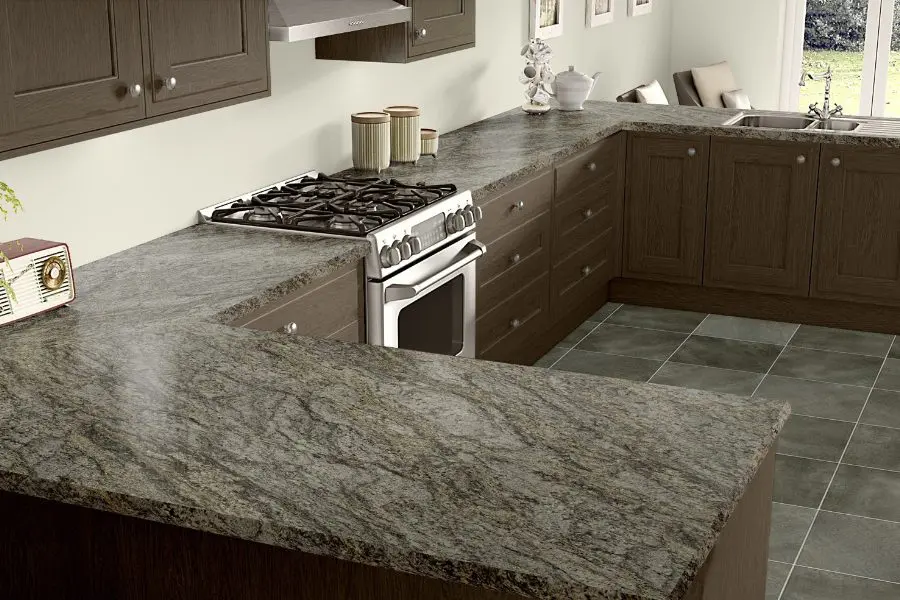
Granite countertops have long been considered the gold standard for kitchen and bathroom surfaces. Their timeless elegance, durability, and natural appeal make them a popular choice for homeowners seeking both functionality and luxury. However, like any material, granite comes with its own set of advantages and potential drawbacks. Before investing in a new countertop, it’s important to understand what makes granite stand out—and where it might not be the best fit for every home.
1. The Natural Beauty of Granite
Granite is a 100% natural stone quarried from the earth and polished to reveal its stunning patterns and colors. No two slabs are alike, which means your countertop will always be one-of-a-kind.
From deep blacks and grays to bright whites and warm golds, granite offers a wide variety of color options that fit both modern and traditional interiors. The natural veining and crystal textures add depth and character, giving your kitchen or bathroom a luxurious, high-end appearance.
Casa Granite countertops are particularly admired for their craftsmanship and precision finishing, which highlight the stone’s organic beauty while ensuring a flawless installation.
2. The Pros of Choosing Granite Countertops
a) Exceptional Durability
Granite is one of the hardest natural stones on Earth, ranking just below diamonds on the Mohs hardness scale. This makes it incredibly resistant to scratches, chips, and dents. For busy kitchens where heavy pots, knives, and appliances are in constant use, granite provides peace of mind and long-term reliability.
b) Heat Resistance
Unlike many synthetic materials, granite can withstand high temperatures. You can place hot pans or pots directly on the surface without worrying about damage. However, using trivets is still recommended to maintain a polished finish over time.
c) Stain and Moisture Resistance
When properly sealed, granite is highly resistant to stains and liquids. The sealant creates a barrier that prevents oils, coffee, and acidic substances from penetrating the stone. This makes it ideal for kitchens and bathrooms where spills are inevitable.
d) Adds Long-Term Value
Installing granite countertops instantly elevates your home’s resale value. Potential buyers often view granite as a premium feature that enhances both the kitchen’s aesthetic and the property’s overall appeal.
Casa Granite ensures that every installation meets premium standards, providing lasting value that continues to impress for decades.
e) Low Maintenance
Granite is surprisingly easy to maintain. Daily cleaning requires only mild soap, warm water, and a soft cloth. Sealing once every one or two years is typically enough to preserve its natural luster and protective qualities.
3. The Cons of Granite Countertops
a) Higher Upfront Cost
Granite is a premium material, and its cost reflects that. Prices vary depending on color rarity, slab thickness, and origin. However, many homeowners view this as an investment—since granite’s longevity and timeless appeal far outweigh the initial expense.
Casa Granite offers competitive pricing and tailored solutions, making luxury granite more accessible to homeowners.
b) Weight and Installation Complexity
Granite slabs are extremely heavy, which means professional installation is a must. Improper handling or DIY attempts can lead to cracks or uneven surfaces. Additionally, cabinets may require reinforcement to support the stone’s weight.
c) Sealing Required
Although granite is naturally strong, it’s still porous. To prevent staining, it must be sealed periodically. Neglecting this step can lead to moisture absorption and dulling over time. Thankfully, modern sealants are long-lasting, and maintaining them is simple.
d) Limited Flexibility for Design Adjustments
Since each granite slab is unique, matching patterns or colors for large surfaces or replacements can be challenging. For homeowners seeking absolute uniformity, engineered quartz may offer a more consistent look.
e) Potential for Minor Damage
While granite is highly durable, extreme force—such as dropping a heavy object on an edge—can cause chipping. Fortunately, such damage can be repaired by professionals without replacing the entire countertop.
4. Comparing Granite to Other Countertop Materials
| Feature | Granite | Quartz | Marble | Laminate |
| Durability | Excellent | Excellent | Moderate | Low |
| Maintenance | Low (with sealing) | Very low | High | Very low |
| Heat Resistance | High | Moderate | High | Low |
| Price Range | Moderate to High | High | High | Low |
| Appearance | Unique Natural Patterns | Consistent | Elegant, but Soft | Artificial Look |
| Resale Value | High | High | Moderate | Low |
Granite remains one of the best choices for those seeking a combination of durability, luxury, and individuality.
5. Tips for Maintaining Granite Countertops
- Clean spills immediately to avoid residue buildup.
- Use mild soap and warm water for daily cleaning—avoid bleach or acidic cleaners.
- Re-seal annually or as needed, depending on usage.
- Avoid cutting directly on the surface to preserve its finish and your knives.
- Use trivets or mats under heavy appliances and cookware to prevent wear.
Following these simple practices will help keep your granite countertops looking polished and vibrant for years.
Final Thoughts
Granite countertops continue to reign supreme as a top choice for homeowners who want style, strength, and sophistication in one package. While they come with some maintenance requirements and a higher upfront cost, their enduring beauty and value make them a wise investment for any home.
