
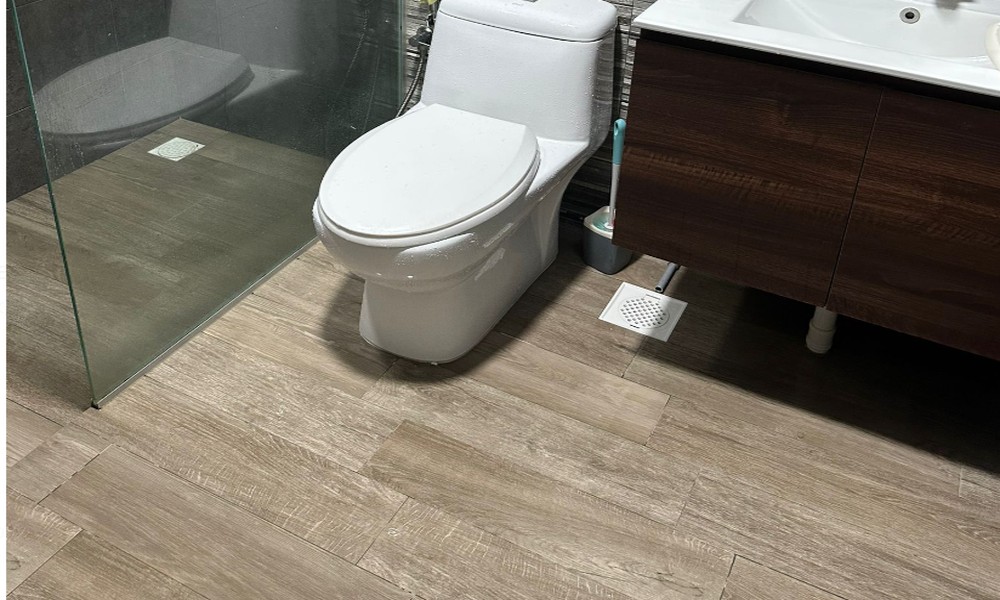
Toilet waterproofing is one of those household matters that most Singaporeans overlook until water damage becomes impossible to ignore. The tropical climate, coupled with constant humidity and frequent rainfall, creates the perfect conditions for moisture infiltration in our bathrooms. What begins as a minor seepage beneath tiles can escalate into structural damage, mould growth, and expensive repairs that could have been prevented with timely intervention. Understanding the importance of proper bathroom waterproofing is not merely about maintenance; it is about protecting your property’s value and ensuring your family’s health and safety.
Why Toilet Waterproofing Matters in Singapore’s Climate
Singapore’s weather presents unique challenges for building maintenance. With humidity levels consistently above 80 percent and annual rainfall exceeding 2,300 millimetres, our bathrooms face relentless moisture exposure. The Building and Construction Authority recognises waterproofing of wet areas as a critical component of housing quality, yet many homeowners only discover deficiencies when problems manifest.
Water damage in toilets rarely announces itself dramatically. Instead, it creeps silently through grout lines, beneath tiles, and along poorly sealed joints. By the time you notice discolouration on your living room ceiling or detect that musty odour, the damage has likely spread far beyond the visible signs. This is precisely why preventive toilet waterproofing measures deserve serious attention.
Common Signs Your Toilet Needs Waterproofing
Recognising the warning signals early can save thousands of dollars in remedial work. Watch for these indicators:
- Persistent dampness on walls adjacent to your bathroom
- Peeling paint or bubbling plaster in rooms sharing walls with the toilet
- Musty odours that linger despite thorough cleaning
- Loose or hollow-sounding tiles when tapped
- Discolouration or water stains on ceilings below your bathroom
- Visible mould growth along grout lines or corners
- Unexplained increases in your water bill
These symptoms suggest that your existing waterproofing membrane has failed or was inadequately installed initially. The Building and Construction Authority’s guidelines stipulate that “wet areas shall be waterproofed to prevent seepage of water to adjoining units or common areas,” yet enforcement relies largely on proper initial construction and homeowner vigilance.
Understanding the Waterproofing Process
Effective bathroom waterproofing involves multiple layers of protection working together. The process begins with surface preparation, where old tiles and deteriorated materials are removed to expose the concrete substrate. This surface must be thoroughly cleaned, dried, and sometimes repaired before any waterproofing materials are applied.
The waterproofing membrane forms the crucial barrier against water penetration. Modern systems typically employ either:
- Cementitious waterproofing compounds that bond directly to concrete surfaces
- Liquid-applied membranes that cure to form a seamless, flexible barrier
- Sheet membranes that are adhered to surfaces and sealed at joints
Critical areas require special attention. Floor waste outlets, pipe penetrations, wall-floor junctions, and corners represent the most vulnerable points where water finds its way through defences. Professional toilet waterproofing work includes proper treatment of these junctions with additional membrane layers and sealants.
The Cost of Delayed Action
Postponing necessary waterproofing repairs inevitably proves more expensive than addressing issues promptly. Water that penetrates your toilet’s waterproofing does not simply evaporate; it migrates through concrete, corrodes reinforcement bars, and compromises structural integrity. In HDB flats and condominiums, your leak may damage neighbours’ properties, leading to insurance claims and strained relationships.
Beyond financial considerations, water damage creates health hazards. Singapore’s humid environment encourages rapid mould proliferation once moisture penetrates building materials. These fungal colonies release spores that exacerbate respiratory conditions, trigger allergies, and particularly affect young children and elderly residents.
Professional Expertise Makes the Difference
While some homeowners consider DIY waterproofing solutions, the technical complexity and high stakes of bathroom waterproofing warrant professional expertise. Qualified contractors understand substrate preparation, material compatibility, and application techniques that determine long-term performance. They recognise that successful toilet waterproofing installation depends on countless details that inexperienced applicators often miss.
Professional work typically includes warranties that provide recourse should problems emerge. This protection proves invaluable given that waterproofing failures may not become apparent for months or years after application. Experienced contractors also carry proper insurance coverage, protecting homeowners from liability should accidents occur during renovation works.
Choosing the Right Time for Waterproofing
Ideally, comprehensive toilet waterproofing should occur during major renovations when bathrooms are already stripped down. However, problematic situations demand immediate attention regardless of convenience. Most waterproofing projects in Singapore require three to five days for proper execution, including curing time for membranes and adhesives.
Plan your waterproofing project during drier months when possible, though Singapore’s weather makes this challenging. Ensure alternative bathroom arrangements are available, as the toilet will be unusable during works. Professional contractors should provide clear timelines and explain each stage of the process.
Maintaining Your Waterproofing Investment
Even the most robust waterproofing system requires sensible maintenance. Regular inspection of grout lines, prompt repair of cracked tiles, and proper ventilation all extend the life of your bathroom’s water barriers. Avoid harsh chemical cleaners that may degrade sealants, and address any plumbing leaks immediately.
Singapore’s climate and building regulations make proper toilet waterproofing essential rather than optional. The investment protects your property, preserves your health, and provides peace of mind. Whether you are dealing with an existing leak or planning preventive measures, addressing toilet waterproofing in Singapore should rank among your top maintenance priorities.
