
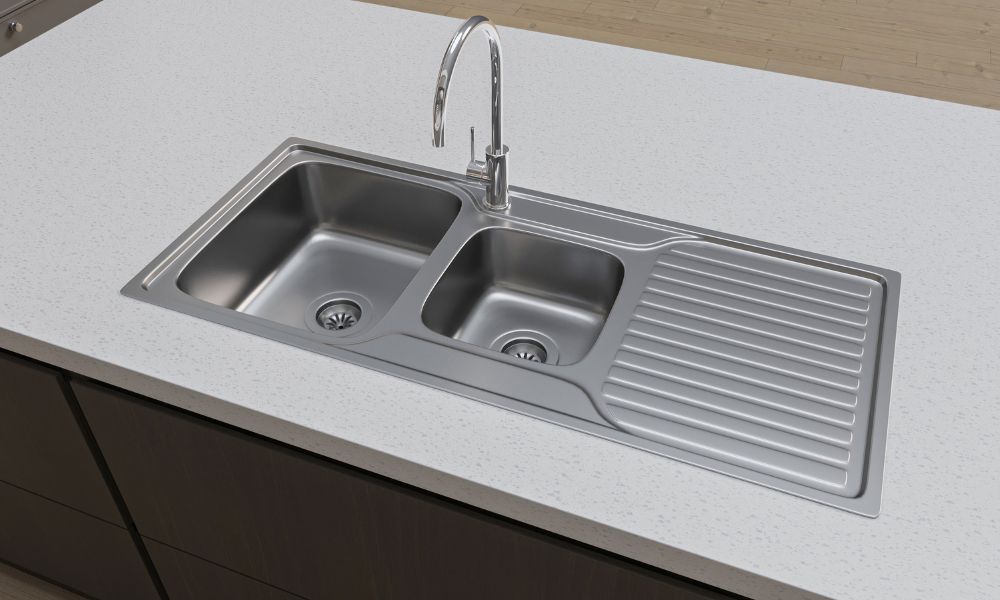
Choosing the right kitchen sink style is one of the most significant decisions you’ll make when designing or remodeling your kitchen. While countertops and cabinets often take center stage, the sink is where style and functionality intersect. It’s a heavily utilized kitchen feature, and its design, installation method, and practicality can influence not only how your kitchen looks but also how well it functions day-to-day.
Three of the most popular sink styles are undermount sinks, drop-in sinks, and apron-front (farmhouse) sinks. Each has its own unique features, benefits, and drawbacks. In this guide, we’ll break down what you need to know about each type so you can make the best choice for your home and lifestyle.
What Are Undermount Sinks?
Undermount Kitchen Sinks are installed beneath the countertop, attached to the underside of the counter material rather than resting on top. This creates a seamless look where the countertop appears to flow right into the sink, with no visible rim.
Key Benefits of Undermount Sinks
Streamlined Aesthetic: The seamless appearance pairs perfectly with modern and minimalist kitchen designs, creating a clean and polished look.
Easy Cleanup: Without a rim sitting on the counter surface, crumbs and spills can be easily wiped right into the sink—ideal for busy kitchens.
Maximized Counter Space: Since the sink rim doesn’t take up surface area, this design gives you additional usable counter space.
Pairing with Premium Countertops: Undermount sinks work beautifully with solid surface materials like granite, quartz, marble, or concrete, enhancing the upscale feel.
Drawbacks of Undermount Sinks
Cost of Installation: Installing an undermount sink can be more expensive due to the specialized mounting process and additional support required.
Counter Compatibility: These sinks work best with durable, non-porous countertops like stone or quartz. Laminate counters aren’t suitable because they can’t properly seal the sink’s edges.
Cleaning the Lip: While the sink is seamless on the top, debris can accumulate around the underside lip if not cleaned carefully.
Who Should Choose Undermount Sinks?
If you’re looking for a sleek, modern look and have a premium countertop material, undermount sinks are an excellent choice. They’re particularly ideal for those who prioritize a clutter-free and easy-to-clean kitchen.
What Are Drop-in Sinks?
Also known as top-mount kitchen sinks, drop-in kitchen sinks are installed by “dropping” them into a pre-cut hole in the countertop. The sink’s rim sits on the countertop surface, offering support and a more straightforward installation.
Key Benefits of Drop-in Sinks
Ease of Installation: Drop-in sinks are beginner-friendly and can often be installed as a DIY project, making them a cost-effective option.
Versatility: These sinks work well with almost any countertop material, including laminate and tile, which might not be compatible with undermount sinks.
Affordability: Compared to other sink types, drop-in sinks are generally more budget-friendly, both in terms of the sink itself and the installation process.
Durability: The rim of a drop-in sink provides additional protection against countertop damage, especially helpful in high-traffic kitchens.
Drawbacks of Drop-in Sinks
Less Seamless Appearance: The visible rim sitting on the countertop can interrupt the flow of the counter, which may not appeal to those seeking a modern or sleek look.
Cleaning Challenges: Food debris and grime can accumulate around the edges of the sink rim, creating cleaning challenges over time.
Who Should Choose Drop-in Sinks?
If you’re working with a variety of countertop materials, a smaller budget, or want a sink that’s easy to install, drop-in sinks are a practical and functional choice. They’re especially useful for retro or traditional kitchen styles.
What Are Apron-Front Sinks?
Apron-front kitchen sinks, commonly known as farmhouse kitchen sinks, are characterized by their exposed front that extends beyond the edge of the countertop. They have a deep, wide basin and are often associated with vintage or farmhouse-style kitchens, though modern versions are also available.
Key Benefits of Apron-Front Sinks
Spacious Design: The deep, wide bowl can accommodate large pots, pans, and dishes, making it perfect for busy kitchens or those who cook frequently.
Aesthetic Appeal: The exposed front creates a bold design statement that blends seamlessly with rustic, transitional, or modern farmhouse interiors.
Ergonomics: Since apron-front sinks extend past the countertop, there’s less leaning required while washing dishes, reducing strain on your back.
Material Options: While traditionally made of fireclay or porcelain, modern apron sinks come in a variety of materials like stainless steel, copper, and granite composite.
Drawbacks of Apron-Front Sinks
Cost and Installation: Farmhouse sinks tend to be more expensive, and they often require additional modifications to the cabinetry for proper installation.
Splashing: The large, flat surface of an apron-front sink can produce more visible splashes, especially if the faucet is not positioned properly.
Heavy Weight: Certain materials (like fireclay) can be extremely heavy, requiring extra reinforcement and a sturdy cabinet to support the sink.
Who Should Choose Apron-Front Sinks?
If you want your sink to be the focal point of your kitchen and need a larger basin for multitasking, an apron-front sink is a great option. It’s also ideal for those leaning toward a farmhouse, rustic, or transitional design aesthetic.
How to Choose the Right Sink: Factors to Consider
When deciding between undermount, drop-in, and apron-front sinks, keep the following factors in mind:
Kitchen Style:
Undermount sinks are perfect for modern and minimalist kitchens.
Drop-in sinks work well in traditional or retro-inspired spaces.
Apron-front sinks are best suited for farmhouse, rustic, or transitional designs.
Countertop Material:
Premium stone countertops pair beautifully with undermount sinks and apron-front sinks.
For laminate or tiled counters, stick with drop-in sinks.
Budget:
Drop-in sinks offer the most cost-effective solution.
Undermount sinks sit in the mid-range but may require additional installation costs.
Apron-front sinks tend to be the most expensive due to their size, materials, and installation.
Practicality and Functionality:
Undermount sinks are great for low-maintenance, easy cleanup.
Drop-in sinks are durable and versatile for family kitchens with heavy use.
Apron-front sinks are best for larger households with lots of cooking and cleaning needs.
The choice between undermount, drop-in, and apron-front sinks ultimately boils down to your personal preferences, kitchen style, and day-to-day needs. Whether you prioritize clean lines, budget-friendly designs, or large, functional basins, there’s a sink style that perfectly fits your criteria.
