
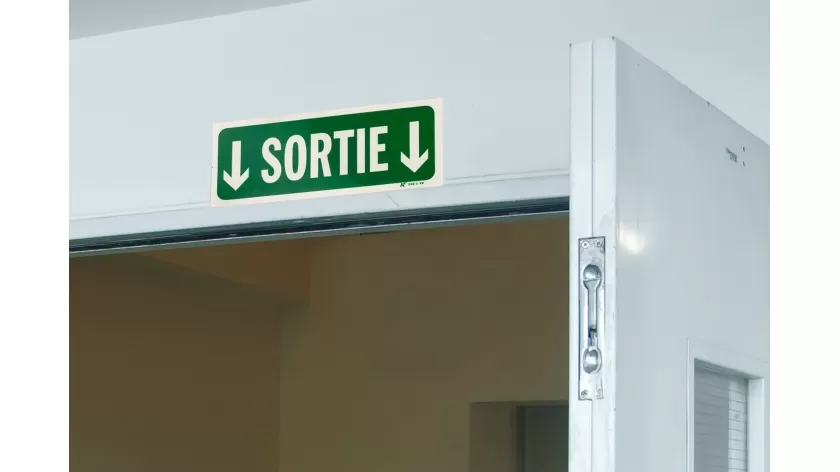
Corporate signage is more than just a marketing tool—it’s a legal component of your business presence in public spaces. Whether you’re opening a retail location, a professional office, or a restaurant, your sign must comply with municipal bylaws and zoning rules that govern commercial areas.
Understanding these regulations is essential to avoiding costly fines, removal orders, or delays in your grand opening. Companies like Orthografica corporate signs specialize in designing and installing signage that aligns not only with brand standards but also with the complex web of local codes.
Here’s what you need to know when planning and placing corporate signs in commercial zones.
1. Zoning and Location Restrictions
Each municipality or city sets its own rules based on zoning laws. These determine:
- Whether signage is allowed at a particular location
- What type of signage is permitted (freestanding, wall-mounted, window decals)
- Restrictions based on nearby properties, such as residential zones, heritage buildings, or public parks
Tip: Always confirm that your signage plans comply with your property’s zoning classification before fabrication begins.
2. Sign Size and Height Limits
Cities often regulate how large or tall a corporate sign can be based on:
- Building frontage length
- Distance from the road or sidewalk
- Type of business and property size
For example, a small boutique may be limited to a 1m x 3m wall sign, while a corporate plaza may allow larger pylon signs with multiple tenants. Oversized signs usually require special permits or variances.
3. Illumination and Lighting Standards
Illuminated signs—whether backlit, halo-lit, or digital—are common in commercial areas but are subject to lighting regulations to prevent:
- Excessive brightness that distracts drivers
- Light pollution affecting nearby homes or public areas
- Inappropriate flashing, animation, or video content
Regulations may specify the maximum luminance in nits or require automatic dimming during night hours. Some cities prohibit certain lighting types near residential zones entirely.
4. Design and Content Restrictions
Many commercial zones maintain standards for visual harmony and public safety. Your sign design might need to comply with:
- Specific color schemes, font types, or material guidelines
- Prohibited content such as offensive language, political statements, or misleading claims
- Mandatory inclusion of bilingual text (e.g., English and French in certain provinces)
In heritage districts, additional aesthetic requirements might apply to preserve the architectural character of the area.
5. Permit and Approval Process
Most municipalities require a sign permit before installation. This process typically includes:
- Submission of architectural drawings, renderings, and installation plans
- Approval from the city’s planning or building department
- Review by business improvement associations (BIAs) or zoning committees
Some municipalities may require stamped drawings from an engineer or sign specialist to ensure structural integrity.
6. Maintenance and Safety Compliance
After installation, the business owner is usually responsible for:
- Maintaining the sign’s condition (clean, intact, functioning lights)
- Removing or updating signage when rebranding or relocating
- Ensuring the sign doesn’t pose a hazard to pedestrians or drivers
Failure to comply may result in fines or forced removal by city inspectors.
7. Temporary Signs and Banners
Short-term signage (e.g., grand opening banners, “coming soon” notices) often has its own rules. These may include:
- Time limits for display (e.g., 30–90 days)
- Material and size restrictions
- Required permits even for temporary use
Make sure you account for these if you’re planning a launch event or seasonal promotion.
Conclusion
Navigating sign regulations in commercial areas can be complex—but it’s a critical step in presenting your brand professionally and legally. From size and lighting to content and permits, each element must meet municipal standards to avoid delays or penalties.
