
Revolutionizing Aesthetics: The Art of Cladding Design
Understanding the Role of Visual Appeal in Modern Architecture
In the realm of contemporary architecture, the significance of visual appeal cannot be overstated. Cladding serves as the outer skin of a structure, not only providing protection against diverse elements but also profoundly influencing the visual identity of a building. As architects strive to create unique, standout projects, cladding emerges as a pivotal factor in their designs. Modern cladding solutions play a vital role in shaping the character, ambiance, and functionality of architectural projects. A well-executed cladding design merges both form and function, ensuring that buildings resonate aesthetically with their surroundings while also catering to practical needs.
Visual appeal is more than just a superficial concern; it is woven into the very fabric of urban environments and plays a crucial role in how structures communicate with their audience. From sleek metal façades that exude a sense of modernity to warm timber elements that invoke feelings of homeliness, the choice of cladding can evoke various emotions and reactions. When integrated thoughtfully, cladding can enhance a building’s relationship with the landscape, reflecting cultural narratives and history, or showcasing pioneering innovation. Ultimately, whether it’s a bustling cityscape or a serene suburb, the aesthetic decisions made in cladding design can either bolster or diminish the architectural narrative, impacting both public perception and property value.
Color, Texture, and Form: The Trinity of Cladding Choices
The selection of color, texture, and form in cladding materials is fundamental to achieving exceptional aesthetic outcomes. Color not only serves as a visual stimulus but also works to influence mood and atmosphere. Architects and designers must consider the local context, cultural connotations, and environmental factors when selecting hues for their projects. Bright colors can energize and invigorate urban spaces, while neutral palettes often promote tranquility and harmony. Additionally, advancements in coatings and finishes have made it possible for cladding materials to achieve unique color effects that enhance their visual impact and durability.
Texture, on the other hand, adds depth and character to cladding surfaces. The tactile experience of a building is increasingly prioritized in modern designs. Smooth, polished surfaces might connote sophistication, while rough, textured finishes evoke a sense of ruggedness and robustness. Beyond aesthetics, texture can also influence the interaction between buildings and light, impacting the visual perception of form and dimension. Implementing various textures within a single building can create a dynamic interplay that captures attention and sustains interest over time.
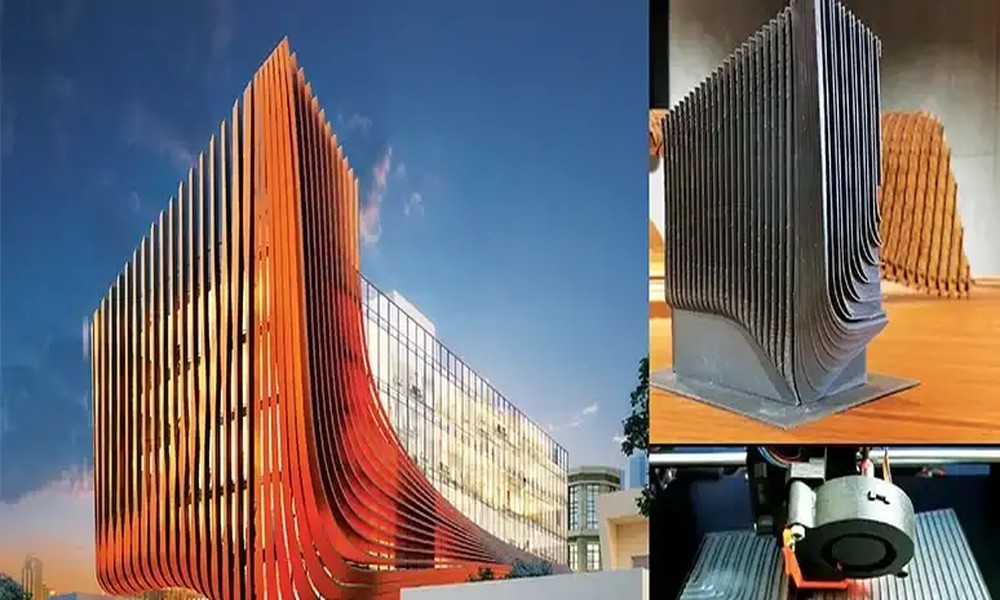
Form is the final piece of this aesthetic puzzle. Cladding can define the silhouette of a building, contribute to its scale, and establish a visual hierarchy. By utilizing innovative forms be it the undulating façade of a modern museum or the angular lines of a residential unit architects communicate their design intent while responding to functional demands. The innovative use of form in cladding not only impacts visual perception but can also enhance a building’s performance through improved airflow, reduced heat gain, and natural lighting opportunities. Together, the thoughtful integration of color, texture, and form leads to transformative architecture that resonates with its environment and its inhabitants.
Eco-Friendly Innovations: Sustainable Cladding Materials
Exploring Biodegradable and Recyclable Options
As the construction industry increasingly recognizes its environmental impact, sustainable cladding materials are gaining traction. Biodegradable and recyclable cladding options are at the forefront of this eco-conscientious movement, addressing construction waste and the lifecycle of materials. Using materials derived from renewable resources, such as bamboo, recycled metals, and reclaimed wood, not only diminishes the demand for new resources but also contributes to the carbon footprint reduction associated with construction. These materials possess the added benefit of being lighter and easier to work with, which can lead to reduced energy consumption during transportation and installation.
Biodegradable cladding materials, like cellulose-based panels, represent a revolutionary approach by returning to nature at the end of their lifecycle. Additionally, their production often utilizes less energy than traditional materials, leading to lower greenhouse gas emissions. Such materials also foster the creation of circular building systems, wherein existing materials can be recycled into new products, thereby closing the loop in the construction cycle. Furthermore, biodegradable cladding can break down in soil without releasing harmful toxins, contributing positively to the environment.
The Benefits of Using Locally Sourced Materials
The utilization of locally sourced materials in cladding systems not only supports regional economies but also endorses sustainability by minimizing transportation-related carbon emissions. Local materials often boast lower embodied energy, meaning less fossil fuel consumption to extract, transport, and process. For instance, choosing stones, wood, or clay sourced from nearby quarries, forests, or brickyards establishes a direct connection to the local landscape and cultural heritage, promoting pride in place.
Additionally, local materials can often be more adapted to the region’s climate, thereby improving durability and performance in terms of insulation and weather resistance. For instance, using local timber species that have evolved to thrive in specific climatic conditions can yield significant advantages in terms of longevity and maintenance, reducing future resource expenditures. This localized approach not only enhances the ecological footprint of a project but can also serve as a powerful narrative element, illustrating the commitment to sustainability and local culture in architectural design.
Energy Efficiency Meets Style: Insulated Cladding Systems
How Cladding Contributes to Thermal Performance
Insulated cladding systems are revolutionizing energy efficiency in modern architecture. These systems serve a dual purpose: creating an aesthetic façade while enhancing a building’s thermal performance. By integrating insulation directly into the cladding system, buildings can achieve significant reductions in heating and cooling costs, contributing to overall building sustainability and occupant comfort. This thermal efficiency is critical as global energy consumption continues to rise, pushing architects and builders to prioritize energy-efficient solutions as integral aspects of design.
Advanced insulated cladding products often feature a composite structure that combines multiple materials such as thin panels with rigid foam insulation enhancing thermal resistance and air-tightness. These systems significantly reduce air leakage, a leading cause of energy loss in buildings, while simultaneously providing continuous insulation that prevents thermal bridging. The result is a building envelope that not only looks contemporary but performs exceptionally well against fluctuating outdoor temperatures. Moreover, improved thermal performance contributes to the overall indoor air quality by preventing excessive temperature fluctuations and maintaining consistent comfort levels.
Case Studies: Projects That Showcase Innovative Insulation
Several architectural projects across the globe exemplify the effective application of insulated cladding systems. One notable example is the Edge, a highly sustainable office building in Amsterdam. The building’s exterior incorporates a high-performance insulated cladding system that significantly reduces energy usage and supports its ambition of being one of the greenest buildings in the world. The incorporation of triple-glazed windows and adjustable shading devices works in concert with the insulated cladding to minimize energy demands, showcasing how insulation can intertwine with aesthetics in creating modern architecture.
Another salient case is the Bosco Verticale (Vertical Forest) in Milan. This innovative residential project boasts a unique insulated cladding strategy that integrates greenery directly into the façade. The combination of various plant species fosters improved air quality while enhancing insulation, resulting in lower energy consumption for heating and cooling. By merging biophilic design principles with cutting-edge insulation technology, the Bosco Verticale demonstrates how modern cladding can innovate beyond mere aesthetics and actively improve living environments.
The Future of Cladding: Smart Technologies and Trends
Integrating Smart Features into Cladding Solutions
The intersection of technology and architecture heralds a new era for cladding, where smart features enhance functionality while enriching the user experience. The incorporation of smart technologies into cladding systems provides builders and occupants with an array of advantages, such as adaptive thermal regulation and real-time monitoring of environmental conditions. Advanced sensors embedded within cladding materials can provide data regarding temperature, humidity, and air quality, allowing for automated adjustments that optimize indoor conditions.
Moreover, integrating photovoltaic cells into cladding panels serves a dual function: exterior protection and energy generation. This technology transforms cladding from a purely protective function into a sustainable energy source, reducing reliance on traditional power grids. Smart cladding can also include features such as self-cleaning surfaces, which utilize photocatalytic coatings to break down pollutants and maintain visual appeal without requiring extensive maintenance. As these technologies advance and become more economically feasible, the potential for intelligent cladding systems to transform modern building practices becomes increasingly promising.
Upcoming Trends That Will Define the Industry Landscape
Several evolving trends are poised to shape the future of cladding solutions, particularly as society grows more conscientious of environmental impacts. For one, increased interest in adaptability is on the rise, prompting architects to design buildings with versatile cladding solutions that can be easily modified or updated as needs change over time. This adaptability aligns with a mindset of longevity, as buildings must withstand the test of time while seamlessly integrating with evolving functional demands.
Another significant trend is the emergence of modular cladding systems, which offer an efficient and sustainable method for construction. Prefabricated panels can drastically reduce construction timelines, labor costs, and waste generation, appealing to developers looking for efficient project delivery. The integration of modular systems with digital fabrication technologies exemplifies an innovative shift towards efficiency, precision, and sustainability in construction practices.
Finally, as sustainability continues to take center stage, the push for transparency in sourcing, production, and performance metrics will only intensify. Clients and consumers are increasingly seeking assurance that the materials used in their buildings are responsibly sourced and environmentally friendly. The cladding industry will need to respond to this demand for sustainable practices, paving the way for an era defined by robust environmental stewardship and thoughtful design.
