
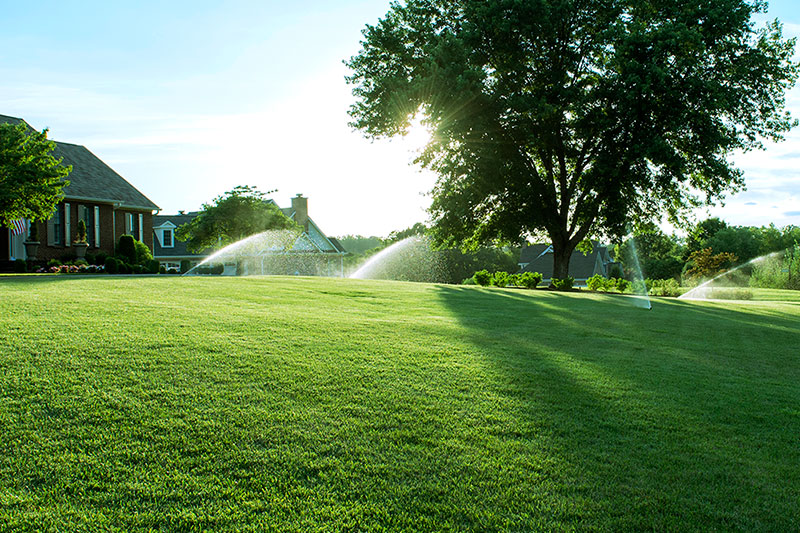
Have you ever admired a lush, green landscape during a dry season and wondered how it stays so healthy? The secret often lies in a well-designed irrigation system. As more homeowners and businesses turn toward sustainable landscaping, irrigation services play a vital role in maintaining plant health, conserving water, and reducing long-term maintenance costs. Let’s discuss how irrigation contributes to creating environmentally responsible landscapes that thrive year-round.
Understanding Sustainable Landscaping
Before we dive into irrigation, it’s important to understand what sustainable landscaping really means. In simple terms, it’s about designing and maintaining outdoor spaces in a way that benefits both people and the planet. It focuses on reducing water waste, using native plants, promoting soil health, and minimizing the use of harmful chemicals.
The goal isn’t just beauty—it’s balance. A sustainable landscape works with nature, not against it. And that’s where irrigation systems come in. They ensure plants receive just the right amount of water—no more, no less—keeping everything healthy while minimizing waste.
Why Irrigation Is Essential for Sustainability
At its core, irrigation is about delivering water efficiently. However, sustainable irrigation goes beyond convenience. It’s a science-driven approach that ensures water is used responsibly. Without proper irrigation, even the most eco-friendly landscape design can fail.
Let’s explore the main reasons irrigation services are crucial to sustainable landscaping.
1. Water Conservation and Efficiency
Water scarcity is becoming a growing global concern. Traditional watering methods—like manual hose watering or sprinklers left running too long—can waste thousands of gallons each year. Professional irrigation systems are designed to solve this problem.
Modern irrigation services use smart controllers, moisture sensors, and drip systems that adjust watering schedules based on soil conditions and weather patterns. This means no more overwatering after rain or dry patches during heat waves. The result? A healthier yard that uses up to 50% less water.
2. Maintaining Plant Health
Different plants have different water needs. Overwatering can suffocate roots, while underwatering leads to wilting and disease. A well-designed irrigation system ensures uniform and precise water distribution, giving every plant exactly what it needs.
For example, drip irrigation delivers water directly to plant roots, minimizing evaporation and keeping foliage dry—reducing the risk of mold and fungus. In contrast, lawns may benefit more from rotor or spray systems that cover wider areas evenly.
Let’s discuss—have you ever noticed yellow patches on your grass or plants that just won’t thrive no matter how much you water them? Often, it’s not the amount of water but the way it’s delivered that makes the difference.
3. Reducing Soil Erosion and Runoff
Poor watering practices can lead to soil erosion, especially on sloped properties. When too much water flows over the surface, it washes away topsoil and nutrients that plants depend on. This not only damages your landscape but also contributes to pollution when fertilizers and sediments enter drainage systems.
Irrigation systems prevent this by controlling the flow rate and distribution of water. Techniques like drip irrigation or low-flow sprinklers ensure the soil absorbs moisture gradually, keeping it in place and preserving its natural structure.
4. Saving Time and Labor
Sustainability isn’t just about the environment—it’s also about efficient use of human energy. Automated irrigation systems save hours of manual watering, freeing homeowners and maintenance teams for other important tasks.
Through automation, irrigation services can schedule watering at optimal times—early morning or late evening—when evaporation is lowest. This small change alone can make a big impact on both water bills and plant vitality.
5. Long-Term Cost Savings
While installing an irrigation system might seem like a big investment, it pays off in the long run. By reducing water waste and preventing plant loss, homeowners save on replacement costs, water bills, and maintenance expenses.
Many irrigation services even design systems that qualify for local water conservation rebates, further offsetting installation costs.
6. Supporting Biodiversity and Eco-Balance
Sustainable landscaping aims to create an ecosystem where plants, soil, insects, and wildlife coexist naturally. Proper irrigation supports this balance by maintaining healthy soil moisture levels that encourage root growth and microbial activity.
When the right amount of water is applied, plants develop deeper roots, which makes them more drought-tolerant and less dependent on constant watering. This strengthens the overall ecosystem and helps native species flourish.
Types of Irrigation Systems Used in Sustainable Landscaping
Different landscapes require different irrigation approaches. Let’s discuss the most common types of systems used to promote sustainability.
1. Drip Irrigation
Drip irrigation is one of the most efficient watering methods available. It delivers water slowly and directly to the root zone through a network of tubes and emitters. This minimizes evaporation, reduces runoff, and ensures deep soil penetration.
It’s perfect for gardens, flower beds, and shrub areas where targeted watering is needed. Drip systems also work well with mulching, as the water can reach the roots without wetting the foliage.
2. Sprinkler Systems
Sprinkler systems are ideal for lawns and large open areas. However, modern sustainable systems are designed with rotary nozzles or pressure-regulated heads that distribute water evenly without misting or over-spraying onto sidewalks and driveways.
When paired with smart timers and rain sensors, sprinkler systems can deliver water efficiently and only when necessary.
3. Soaker Hoses
A simpler option for smaller gardens, soaker hoses allow water to seep slowly into the soil along their length. They’re affordable, easy to install, and great for raised beds or vegetable gardens.
4. Smart Irrigation Systems
The most advanced option combines technology with sustainability. Smart irrigation controllers use weather data, soil sensors, and app-based scheduling to determine exactly how much water your landscape needs in real time. These systems automatically adjust for rain, humidity, and temperature changes, preventing water waste entirely.
The Role of Professional Irrigation Services
You might wonder—why hire a professional when you could set up sprinklers yourself? While DIY solutions can work for small areas, professional irrigation services ensure your system is designed for maximum efficiency and long-term sustainability.
Here’s how professionals add value:
- Site analysis: Evaluating soil type, slope, sunlight, and plant selection.
- System design: Creating a customized plan that matches your yard’s unique conditions.
- Installation expertise: Ensuring proper depth, pressure, and coverage to prevent leaks or uneven watering.
- Maintenance and monitoring: Adjusting systems seasonally and repairing components when needed.
In short, professional services don’t just install—they optimize.
Many homeowners trust experts for precise results, and Seattle Landscapes stands out for its reliability. Their team provides exceptional irrigation services in Magnolia that optimize water use and keep gardens thriving year-round.
Integrating Irrigation with Other Sustainable Practices
A truly sustainable landscape involves more than efficient watering. It’s about combining irrigation with other environmentally friendly practices. Some of these include:
- Using native plants: These species require less water and maintenance.
- Mulching: Helps retain soil moisture and regulate temperature.
- Rainwater harvesting: Collecting runoff from roofs to use in irrigation.
- Proper grading and drainage: Prevents standing water and root rot.
When these elements work together, your landscape becomes self-sustaining, beautiful, and low-maintenance.
Common Irrigation Mistakes to Avoid
Even the best systems can waste water if used incorrectly. Here are a few mistakes homeowners should avoid:
- Watering too frequently: Shallow watering encourages weak root growth.
- Ignoring leaks or clogs: These small issues can waste hundreds of gallons.
- Watering at the wrong time: Midday watering leads to high evaporation losses.
- Overlapping sprinkler zones: Causes puddling and nutrient loss.
By avoiding these mistakes and scheduling periodic inspections, you can ensure your irrigation system remains efficient year-round.
Let’s Discuss: What Does Sustainability Mean in Your Garden?
When you look at your garden or yard, do you see it as a living ecosystem—or just a patch of grass and plants? Sustainable landscaping encourages us to rethink our outdoor spaces as dynamic environments that can give back to nature. Irrigation plays a central role in this balance—allowing beauty to thrive without depleting valuable resources.
Imagine a landscape that stays vibrant through all seasons, supports pollinators, conserves water, and requires minimal intervention. That’s the true power of combining irrigation and sustainability.
Final Thoughts
The role of irrigation services in sustainable landscaping extends far beyond watering plants. It’s about using technology, science, and smart design to create landscapes that are both beautiful and responsible.
A well-designed irrigation system ensures that every drop of water serves a purpose—nurturing plants, protecting soil, and conserving resources for the future. Whether you manage a residential yard or a large commercial property, integrating sustainable irrigation practices is one of the most impactful steps you can take.
So, let’s discuss—when you think about your own landscape, how could smarter irrigation make it more sustainable, efficient, and beautiful?
