
Not every waterproofing method performs equally well under sustained tropical downpours, and choosing between them requires weighing rainfall intensity, ponding tolerance, and curing conditions rather than picking whichever system is most familiar. flat roof waterproofing Singapore projects that account properly for the local rainfall pattern from the outset tend to perform noticeably better over time than those specified without that climate-specific consideration.
Why Rainfall Intensity Changes the Calculus
Singapore’s short, intense downpours put more stress on drainage capacity and seam integrity than a steadier, lighter rainfall pattern would, since large volumes of water need to clear the roof quickly rather than gradually. Methods and detailing that work adequately in a milder climate can underperform here if drainage and seam sealing are not specified with this intensity in mind from the start, which is why imported specifications sometimes need local adjustment.
Torch-On Bituminous Membranes in Wet Conditions
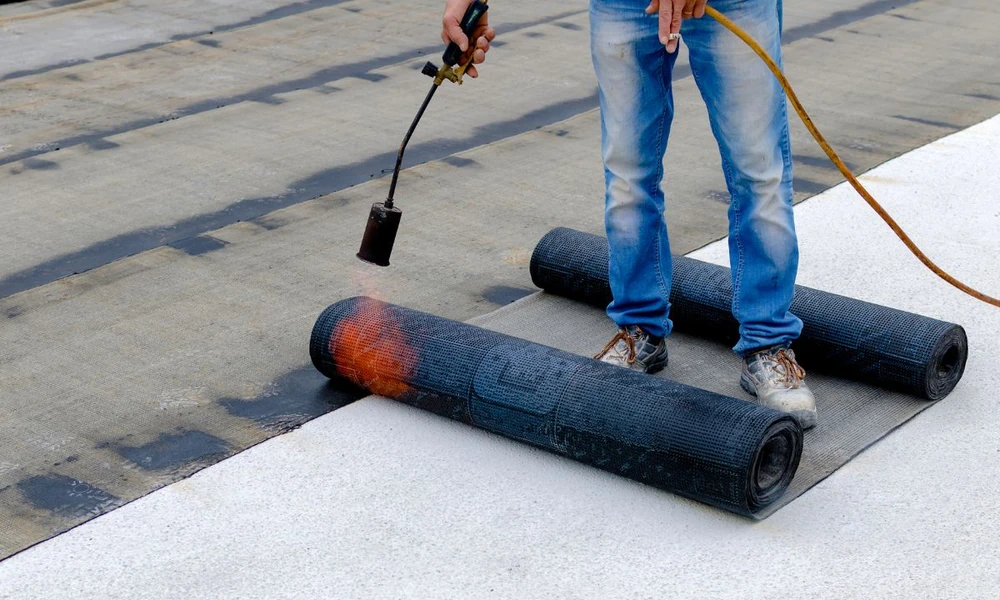
Torch-on membranes offer strong waterproofing performance once properly installed, but the application process itself requires a dry surface and a weather window free of rain, making scheduling more constrained during wetter periods. Once cured, these membranes tolerate ponding reasonably well, though seam quality depends heavily on installer skill and careful attention during the heat-welding process, which is why the crew’s experience matters as much as the material itself.
Liquid-Applied Polyurethane Coatings for Complex Roofs
Liquid-applied systems form a seamless membrane that flows continuously around penetrations and irregular shapes, which is a genuine advantage on roofs crowded with pipes, vents, and mounted equipment. These systems also require dry conditions during application and curing, and unexpected rain partway through curing can compromise the finish, making careful weather monitoring an essential part of the installation process rather than an afterthought.
Sheet Membrane Systems and Seam Reliability
Sheet membranes install relatively quickly and offer consistent thickness across the roof, but every seam between sheets represents a potential weak point that requires careful overlap and sealing to remain watertight under sustained rainfall. Roofs with fewer penetrations and simpler geometry generally suit sheet systems well, since fewer seams and cuts mean fewer opportunities for a seal to fail over the system’s working life.
Reflective and Protective Top Coats
A reflective top coat applied over the base waterproofing layer reduces UV degradation and surface temperature swings, extending the working life of the membrane beneath it considerably. This is a relatively low-cost addition to flat roof waterproofing Singapore work that pays for itself over the system’s extended lifespan in a climate with intense year-round sun exposure.
Fall and Drainage Design as Part of the Method
No membrane choice compensates fully for inadequate fall toward drainage outlets, since standing water accelerates wear on any material left in prolonged contact with it. Proper method selection always includes verifying or correcting the roof’s drainage design alongside the membrane specification itself, rather than treating these as entirely separate considerations during planning that get resolved independently of each other.
Detailing Techniques for Penetrations in Heavy Rain Zones
Pipes, vents, and other penetrations need reinforced detailing regardless of the base membrane chosen, since these points concentrate stress and are consistently where failures originate first under heavy rainfall. Techniques such as additional membrane layers, sealant collars, or flashing upstands around each penetration meaningfully reduce this risk when applied with sufficient care and the correct materials rather than a generic, one-size-fits-all detail.
Curing Time and Weather Window Challenges
Most waterproofing methods require a defined curing period during which the surface must stay dry, and Singapore’s unpredictable rain patterns can make finding a sufficiently long dry window genuinely challenging, particularly during the wetter monsoon months. Experienced contractors plan installation timing around weather forecasts and sometimes phase work across sections to manage this constraint, keeping any exposed area as small as possible at any given time.
Combining Methods for Layered Protection
Some projects combine a base waterproofing membrane with a separate protective or reflective top layer, effectively layering different methods to address multiple requirements at once rather than relying on a single system to do everything. This approach adds cost but can meaningfully extend overall system life in a demanding climate where any single point of failure is compounded by frequent, intense rainfall throughout the year.
Choosing the Right Method for a Rainy Climate
Weighing ponding tolerance, seam reliability, and curing practicality against the roof’s specific geometry and usage produces a far better method choice than defaulting to whatever a contractor happens to install most often. Specifying flat roof waterproofing Singapore work with the local rainfall pattern genuinely in mind is what separates a system built to last from one that struggles within its first few wet seasons.
