
Key Takeaways
- Understanding typical roofing issues can help homeowners prevent expensive repairs.
- Timely maintenance and professional inspection extend the lifespan of your roof.
- Addressing key problem areas, such as leaks and poor installation, safeguards your home.
Protecting your home starts from the top down. The roof is your first line of defense against rain, wind, sun, and storms. Over time, even the best roofs will experience wear and tear, which can put your property at risk. Identifying and resolving common roofing issues can help you maintain both comfort and the structural integrity of your roof. For those unsure where to start or who want a trusted professional, roofing installation and repairs from a reliable roofer can ensure your roof gets the care it needs.
Neglecting minor problems or delaying maintenance can turn small issues into costly disasters. A proactive approach—supported by regular inspections and timely repairs—can save thousands in future damages. From pesky leaks to missing shingles, some problems are more common than others, but all can compromise your home’s safety if left unaddressed.
Many homeowners attempt to fix small problems themselves, but mistakes or overlooked warning signs may lead to greater trouble over time. Working with an experienced roofing company helps you avoid pitfalls and ensures that roof repairs and roofing installations are done correctly the first time.
Roof Leaks
Roof leaks are arguably the most disruptive and widespread issue homeowners encounter. They typically arise around broken shingles, deteriorated flashing, rooftop vents, or even from backed-up gutters. Even a minor leak can rapidly cause extensive interior water damage, undermine your insulation, and trigger the growth of hazardous mold. According to Angi, early leak detection and swift repairs are the best defenses against escalating repair costs.
Damaged or Missing Shingles
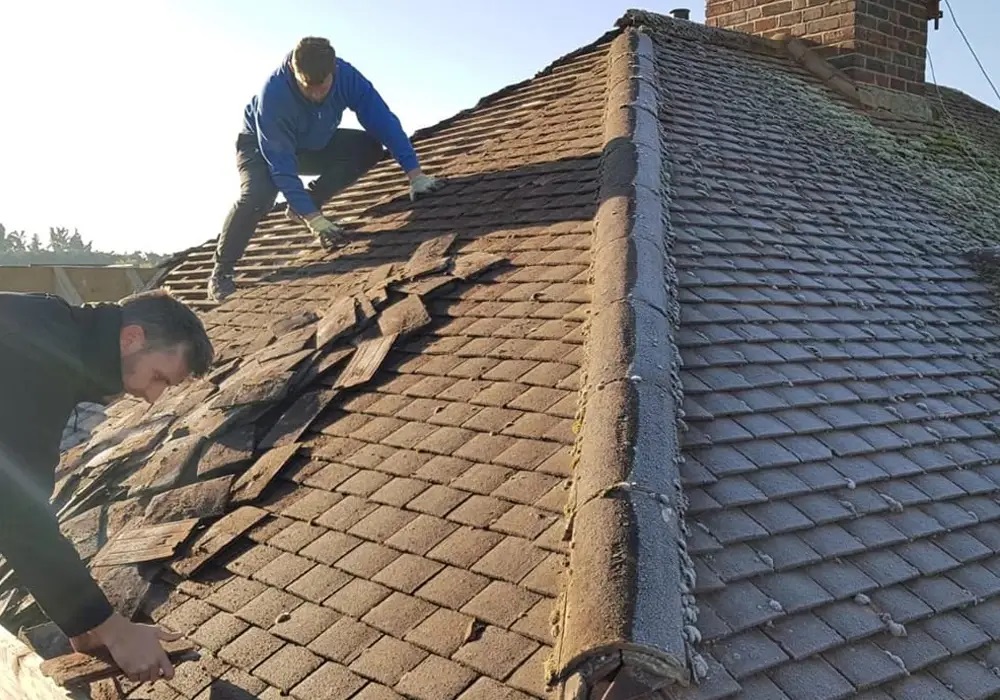
Severe weather, such as high winds and hail, can dislodge or damage shingles, exposing your roof to further weather damage. Over time, even direct sunlight can cause shingles to crack, curl, or break apart. Roofing installation quality and proper material selection play a key role in preventing these issues and ensuring long-term durability. Missing shingles allow water to penetrate the underlying structure, posing a serious risk to your home’s interior and frame.
Poor Roof Installation
Not all roofing work is created equal. Improper installation of shingles, underlayment, or flashing contributes to premature roof failure and frequent leaks. Inadequate installation techniques and poor workmanship often shorten your roof’s lifespan and may even void your roofing warranty. Selecting a reputable contractor with verifiable experience ensures your roof is properly installed for long-lasting protection.
Clogged Gutters
Gutters filled with leaves, twigs, or granules from shingles impede the flow of rainwater, causing overflows or pooling around roof edges. Water that can’t drain properly often seeps under shingles or siding, resulting in wood rot and water intrusion inside your walls. Scheduling routine gutter cleanings, particularly in the fall, is a simple but effective way to safeguard your roof and foundation.
Flashing Failures
Flashing—metal strips sealed at joints and around penetrations like chimneys, skylights, and vents—serves as your roof’s last line of defense against leaks. Over time, flashing may rust, loosen, or crack, causing moisture to seep into vulnerable areas. Regular roof inspections help identify weakened flashing, allowing for prompt repairs before substantial water damage occurs.
Poor Ventilation
Roof and attic ventilation enable airflow that controls excess heat and humidity. Without proper ventilation, heat builds up in the attic, accelerating the deterioration of shingles and warping wooden supports. Poor ventilation is also a root cause of ice dams in colder climates, which add considerable stress to your roof. Checking your attic for musty odors or visible moisture is a simple way to identify this problem early.
Ponding Water
Flat and low-slope roofs are particularly vulnerable to “ponding,” or the pooling of water after heavy rain. If left unaddressed, ponding water can degrade roofing materials, promote mold growth, and ultimately lead to roof collapse. Solutions include inspecting roof drainage systems and ensuring there is a sufficient slope for runoff, which can be a relatively quick fix with the help of a professional.
Aging Roof Materials
Even the best-maintained roofs eventually succumb to the effects of age. Signs your roof may be nearing the end of its lifespan include curling or missing shingles, sagging areas, and repeated leaks. Older roofs are more susceptible to wind and water damage, and outdated materials are less energy-efficient. Regular, professional assessments help determine when repairs are sufficient and when replacement is the safer investment.
Final Thoughts
Addressing these common roofing concerns as soon as they arise is the best way to keep your home secure and comfortable. Routine inspections, seasonal maintenance, and the guidance of a certified roofing company will help extend your roof’s life and safeguard your investment.
