
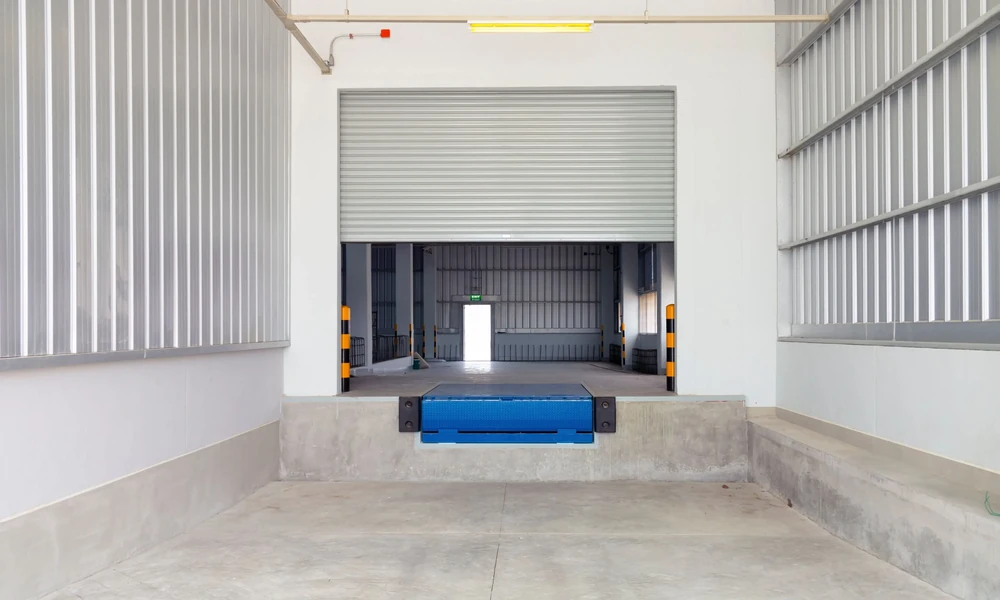
A single malfunctioning loading dock door can grind warehouse operations to a standstill, holding up deliveries, frustrating drivers, and piling up costs faster than most managers realize. In facilities where speed and safety are everything, that sliver of steel is more than just an entrance; it is the gatekeeper of efficiency.
The Critical Role of Loading Dock Doors in Warehouse Operations
Well-functioning loading dock doors serve as the heartbeat of loading zones. From early morning shipments to late-night inventory runs, these doors keep goods and teams moving fluidly between trucks and warehouses. When dock doors work as intended, workflow is seamless, each shipment arriving and departing according to schedule. But when even one door jams or fails, trucks queue, staff scramble, and operational momentum evaporates.
How Loading Dock Doors Impact Workflow Efficiency
Every minute a door stays stuck, warehouse productivity suffers. Fast, reliable door operation keeps dock bays open and ready, minimizing bottlenecks. Poorly maintained doors, by contrast, slow loading and unloading, causing backups that ripple through the entire supply chain.
Common Causes of Downtime Related to Dock Door Failures
Breakdowns rarely come without warning. Springs fatigue, rollers wear down, sensors misalign, and, over time, these minor issues balloon into major headaches. Environmental factors like temperature swings and debris buildup can accelerate wear, increasing the risk of sudden failures.
Financial and Safety Implications of Dock Door Malfunctions
Unexpected downtime is expensive. Each hour of inactivity racks up labor costs, delays shipments, and, in worst cases, risks lost contracts. On the safety side, malfunctioning dock doors pose hazards: jammed doors can injure workers, while failed restraints or levelers increase the risk of accidents during loading.
Key Components and Technologies in Loading Dock Doors
Modern loading dock doors have evolved far beyond simple panels and hinges. Understanding the anatomy of these doors helps clarify why maintenance is non-negotiable.
Overview of Door Types: Rolling, Sectional, and High-Speed Doors
– Rolling doors maximize space and are ideal for high-cycle environments.
– Sectional doors offer insulation and durability, commonly seen in mixed-use warehouses.
– High-speed doors open and close rapidly, perfect for temperature-sensitive or high-traffic areas.
Integration with Dock Equipment: Levelers, Restraints, and Seals
A dock door is only as effective as its supporting cast. Dock levelers bridge the gap between truck and warehouse, restraints lock trailers in place, and seals ensure energy efficiency and weather protection. Each component must work in harmony to maximize uptime.
Innovations Enhancing Door Performance and Reliability
Advancements such as touch-activated controls, advanced safety sensors, and quiet hydraulic or pneumatic levelers have significantly decreased the likelihood of operational hiccups. Retrofitting older docks with these features reduces downtime risks and lowers long-term costs.
Establishing a Regular Maintenance Program
Proactive maintenance is not a luxury, it is a necessity. Well-designed programs prevent surprise failures and keep doors performing at their peak.
Scheduling Routine Inspections and Preventive Maintenance
Routine inspections catch small issues before they grow. Monthly visual checks, quarterly tune-ups, and annual comprehensive assessments create a layered defense against avoidable breakdowns.
Essential Maintenance Tasks: Lubrication, Alignment, and Sensor Checks
Maintenance should include lubricating moving parts, realigning tracks, testing sensors, and tightening hardware. These basic actions extend the lifespan of essential components and support safe day-to-day operations.
Utilizing Manufacturer Guidelines and Professional Services
Following the manufacturer’s maintenance schedule ensures nothing falls through the cracks. For complex repairs or regulatory inspections, specialized services such as Dor Docteur réparation de porte de quai provide expertise and peace of mind.
Diagnosing and Repairing Common Dock Door Issues
Even with rigorous maintenance, issues can arise. Rapid diagnosis and resolution separate efficient warehouses from the rest.
Identifying Wear and Tear: Springs, Rollers, and Tracks
Springs lose tension, rollers accumulate debris, and tracks can shift out of alignment. Recognizing these warning signs early prevents sudden, disruptive failures.
Troubleshooting Electrical and Mechanical Failures
Newer doors often integrate electronic controls, which can malfunction due to wiring issues or sensor faults. Mechanical failures like broken cables or misaligned panels require swift, skilled intervention.
When to Repair vs. When to Replace Components
Some parts, like worn-out rollers, can be replaced easily. Extensive corrosion, chronic failures, or obsolete systems may warrant full replacement to avoid recurring downtime.
Safety Protocols and Compliance in Dock Door Maintenance
Safety is just as critical as uptime. Every repair or inspection should put worker welfare first.
Ensuring Worker Safety During Repairs and Inspections
Lockout-tagout procedures, proper PPE, and clear work zones are non-negotiable during maintenance. Even minor shortcuts can have serious consequences.
Regulatory Standards Affecting Dock Door Operations
Warehouses must comply with safety codes regarding dock doors, levelers, and related equipment. Regular inspections help avoid costly violations and ensure insurance compliance.
Training Staff on Safe Handling and Emergency Procedures
All staff should know how to report issues, operate emergency overrides, and respond to malfunctions without risking injury.
Leveraging Technology and Service Providers for Optimal Uptime
Smart technology and expert partners can tip the scales from reactive to proactive maintenance.
Remote Monitoring and Predictive Maintenance Tools
Connected sensors and monitoring platforms detect anomalies in real time, allowing for predictive maintenance instead of firefighting after a breakdown.
Choosing Reliable Repair and Maintenance Partners
Selecting providers with a proven track record in loading dock systems ensures fast, reliable repairs. Local specialists understand unique facility needs and regulatory requirements.
Case Studies: Impact of Proactive Maintenance on Downtime Reduction
Warehouses that implement regular maintenance and partner with trusted service providers have reported up to 30% less downtime compared to facilities with reactive approaches. The real-world payoff is clear: agile, safe, and profitable operations.
Regular repair and maintenance are not just checkboxes on a safety list, they are the backbone of reliable, efficient loading dock operations. Investing today prevents tomorrow’s costly delays.
