
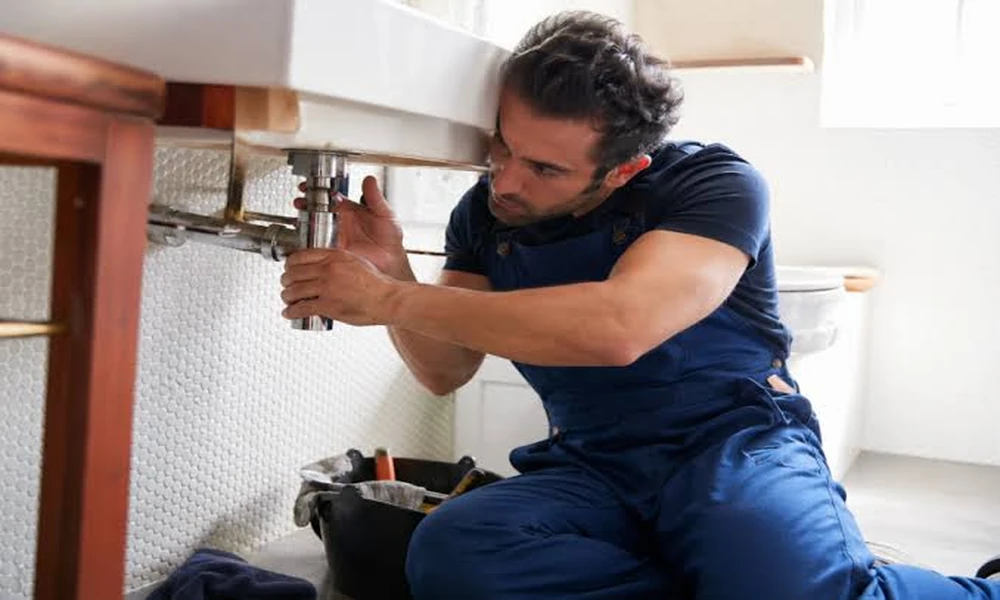
When homeowners prepare to sell their property, they often focus on the details buyers can immediately see-fresh paint, updated landscaping, clean flooring, and modern fixtures. While these improvements certainly help create a positive first impression, they aren’t always what determines whether a sale moves forward smoothly. Some of the biggest obstacles during a real estate transaction are hidden behind walls, beneath floors, or underground.
Plumbing problems have a way of surfacing at the worst possible time. A minor leak discovered during a home inspection, a slow-draining shower that seemed harmless, or signs of aging pipes can quickly become negotiation points. In some cases, buyers request repairs before closing, ask for price reductions, or reconsider the purchase altogether.
The good news is that many plumbing concerns can be identified and addressed before a property reaches the market. Understanding which issues commonly affect inspections and buyer confidence allows homeowners to better prepare their homes for a successful sale while protecting long-term property value.
Why Plumbing Matters During a Home Sale
A home’s plumbing system is one of its most essential components. Buyers may not expect a brand-new kitchen or recently remodeled bathroom, but they generally expect the plumbing to function reliably without hidden problems.
Unlike cosmetic updates, plumbing concerns often raise questions about what buyers can’t see. A leaking pipe, recurring drain backup, or water stain may suggest additional damage beyond the immediate issue.
According to experienced plumbers, small plumbing defects discovered during inspections sometimes reveal larger maintenance concerns that developed over several years. Addressing these issues before listing a home often creates a smoother transaction and reduces unexpected surprises during negotiations.
For sellers, plumbing maintenance isn’t simply about avoiding repair costs-it’s about presenting a home that demonstrates consistent care and responsible ownership.
Hidden Leaks Can Raise Immediate Concerns
Water leaks are among the most common plumbing issues identified during home inspections.
Some are obvious, such as dripping faucets or moisture beneath sinks. Others remain hidden behind drywall, beneath flooring, or inside ceilings until an inspector identifies signs of water damage.
Why buyers pay attention
Even relatively small leaks may indicate:
- Ongoing structural moisture
- Mold development
- Damaged insulation
- Rotting framing materials
- Previous repairs that require further evaluation
Because water damage can become expensive to correct, buyers often view leaks as indicators of deferred maintenance.
Professional leak detection can help identify concealed plumbing issues before they become inspection findings. Modern diagnostic equipment allows plumbers to locate hidden leaks more accurately while minimizing unnecessary disruption to finished areas of the home.
Slow or Frequently Clogged Drains Can Suggest Bigger Problems
A slow-draining sink may seem like a minor inconvenience to a homeowner who has lived with it for years.
To a prospective buyer, however, slow drainage raises questions about the condition of the plumbing system.
Possible underlying causes include:
- Grease buildup
- Mineral deposits
- Pipe deterioration
- Sewer line blockages
- Tree root intrusion
When multiple fixtures drain slowly, inspectors may suspect issues affecting the main sewer line rather than an isolated clog.
Professional drain cleaning often resolves buildup within household drains, while recurring problems may warrant a sewer camera inspection to determine whether sewer line repair is necessary.
Buyers generally appreciate knowing that recurring drainage concerns have been properly diagnosed rather than temporarily masked.
Water Stains Can Create Doubt Beyond Their Appearance
Discoloration on ceilings or walls is rarely viewed as purely cosmetic during a real estate transaction.
- Is the leak still active?
- Was the plumbing repaired correctly?
- Is there hidden mold?
- Has the structure been affected?
Even if the original plumbing issue has already been resolved, visible stains often encourage additional questions during inspections.
Repairing the source of moisture is only part of the solution. Properly documenting completed plumbing repairs and restoring affected finishes helps reduce uncertainty for potential buyers.
Aging Pipes May Affect Buyer Confidence
Many older homes still contain original plumbing materials that continue functioning reasonably well.
However, buyers often recognize that aging plumbing systems may require future investment.
Common examples include:
- Galvanized steel pipes
- Aging copper supply lines
- Cast iron sewer pipes
- Older shutoff valves
These materials don’t automatically require replacement simply because of their age. However, visible corrosion, declining water pressure, repeated repairs, or discolored water may suggest that larger plumbing updates are approaching.
Depending on the condition of the system, pipe repair, partial repiping, or whole-home repiping may improve reliability while reducing concerns during buyer inspections.
Water Pressure Problems Can Leave a Lasting Impression
Prospective buyers routinely test plumbing fixtures during home showings.
Turning on a faucet or shower only to discover weak water pressure can create immediate concern.
Low pressure may result from:
- Hidden leaks
- Mineral buildup
- Corroded pipes
- Water line issues
- Pressure regulator problems
While some causes are relatively minor, others indicate more significant plumbing conditions.
According to plumbers at Oasis Plumbing, homeowners sometimes adapt to gradually declining water pressure without realizing it has become noticeable to first-time visitors.
Addressing the underlying cause before listing helps ensure buyers experience the home’s plumbing as intended.
Running Toilets and Dripping Fixtures Suggest Deferred Maintenance
Although repairing a leaking faucet or running toilet may seem inexpensive, buyers often interpret multiple small plumbing issues differently.
Rather than focusing on the repair itself, they may wonder:
- What other maintenance has been postponed?
- Has the plumbing system been routinely maintained?
- Are larger repairs likely after closing?
Small plumbing repairs demonstrate attention to detail and contribute to an overall impression of responsible homeownership.
Replacing worn fixture components or completing minor pipe repairs before listing can improve both functionality and buyer confidence.
Sewer Line Problems Can Become Major Negotiation Points
Few plumbing issues concern buyers more than sewer line defects.
Unlike visible plumbing repairs, sewer line problems often involve excavation, specialized equipment, or extensive repairs.
Potential warning signs include:
- Multiple slow drains
- Sewage odors
- Frequent backups
- Wet areas in the yard
- Gurgling fixtures
When inspectors suspect sewer line concerns, buyers sometimes request additional evaluations before moving forward.
Video sewer inspections provide valuable information about the condition of underground piping and help determine whether repairs are necessary before closing.
If problems are identified early, sellers have more flexibility in deciding how to address them before negotiations begin.
Water Heater Condition Often Receives Attention
The water heater plays a larger role in buyer perception than many homeowners realize.
- Approximate age
- Visible corrosion
- Signs of leakage
- Water temperature consistency
- Overall condition
A water heater nearing the end of its expected service life doesn’t automatically prevent a sale.
However, active leaks, rust, or inconsistent performance often become discussion points during negotiations.
Routine maintenance or timely water heater repair may improve reliability while demonstrating that the system has been properly maintained.
Hidden Moisture Can Affect More Than Plumbing
Plumbing issues rarely remain isolated.
Water escaping from damaged pipes may affect:
- Hardwood flooring
- Drywall
- Cabinets
- Insulation
- Structural framing
- Interior finishes
Even after plumbing repairs are completed, buyers often want reassurance that secondary damage has also been addressed appropriately.
This highlights the importance of identifying plumbing leaks before prolonged moisture exposure creates additional restoration needs.
Plumbing Inspections Before Listing Can Reduce Surprises
Many sellers wait until the buyer’s inspection to discover plumbing concerns.
A proactive plumbing inspection before listing allows homeowners to identify issues on their own timeline rather than during negotiations.
A typical inspection may evaluate:
- Visible pipe condition
- Water pressure
- Fixture operation
- Drain performance
- Water heater condition
- Shutoff valves
- Evidence of leaks
Industry professionals explain that identifying concerns before listing provides homeowners with greater flexibility in deciding whether repairs should be completed in advance.
Rather than reacting under contractual deadlines, sellers have the opportunity to address problems thoughtfully and document completed work.
Modern Plumbing Technology Helps Clarify Hidden Issues
Today’s plumbing diagnostics have become significantly more precise than in previous decades.
Instead of relying on educated guesses, plumbers can often identify hidden issues using tools such as:
Video pipe inspections
Small cameras provide detailed views inside drain and sewer lines.
Electronic leak detection
Sensitive equipment locates concealed leaks without extensive demolition.
Pressure testing
Evaluates water supply performance and identifies hidden plumbing concerns.
Moisture detection equipment
Helps determine whether water damage remains active or originated from previous plumbing issues.
These technologies help homeowners better understand the true condition of their plumbing systems before entering the selling process.
Maintenance Records Can Strengthen Buyer Confidence
Buyers appreciate homes that demonstrate consistent care over time.
Keeping documentation of completed plumbing work may help answer questions about:
- Leak repairs
- Drain cleaning
- Water heater maintenance
- Repiping projects
- Sewer line repairs
- Plumbing inspections
Maintenance records don’t eliminate every concern, but they provide helpful context showing that plumbing issues have been addressed responsibly rather than ignored.
For many buyers, documented maintenance reinforces confidence in the overall condition of the property.
Small Plumbing Improvements Can Support Long-Term Property Value
Not every plumbing improvement needs to involve a major renovation.
Simple updates can contribute to a home’s overall appeal, including:
- Repairing leaking fixtures
- Replacing worn shutoff valves
- Improving water pressure
- Resolving recurring drain issues
- Updating aging supply hoses
- Addressing visible corrosion
These improvements help demonstrate that the home’s infrastructure has been maintained alongside its cosmetic appearance.
Well-maintained plumbing may not always attract attention during a showing-and that’s often a positive outcome. Buyers generally prefer plumbing systems that quietly perform as expected without raising additional questions.
Final Thoughts
Preparing a home for sale involves far more than improving its appearance. Plumbing systems play a critical role in buyer confidence, property inspections, and successful real estate transactions. Hidden leaks, aging pipes, drainage issues, water pressure problems, and signs of deferred maintenance can all influence negotiations, delay closing, or affect perceived property value.
By addressing plumbing concerns before listing, homeowners place themselves in a stronger position to navigate the selling process with fewer surprises. Whether that involves leak detection, drain cleaning, pipe repair, sewer line evaluation, water heater maintenance, or a comprehensive plumbing inspection, resolving issues proactively helps demonstrate that the home has been thoughtfully maintained.
Ultimately, buyers are looking for more than an attractive property-they’re looking for confidence that the systems supporting the home are dependable. A well-maintained plumbing system quietly reinforces that confidence and contributes to a smoother path from listing to closing.
