
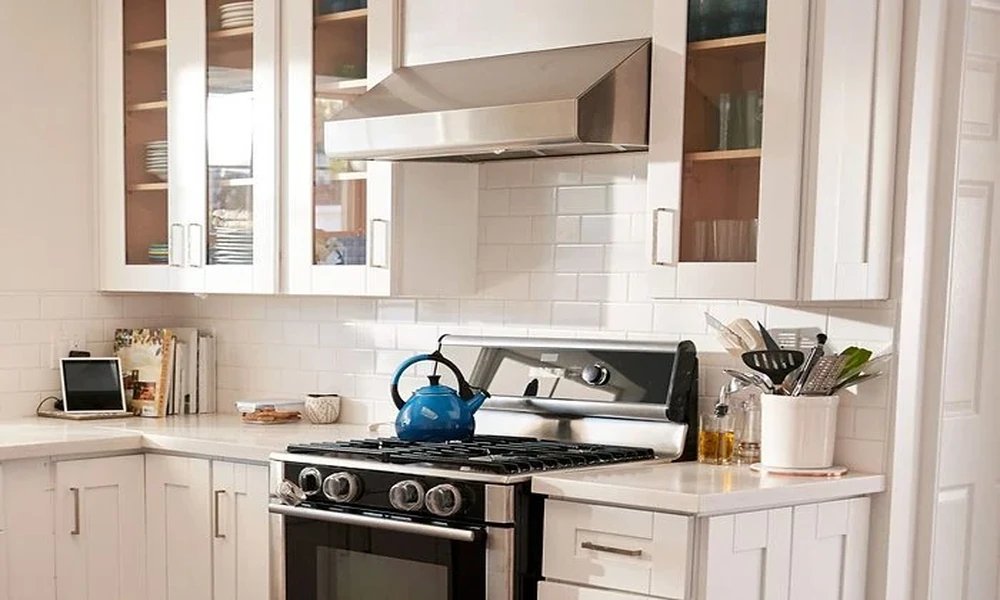
Choosing the best ductless range hood for your kitchen requires looking beyond surface specifications to understand the filtration quality, motor performance, and long-term maintenance requirements that determine real-world satisfaction. This guide covers what to prioritise.
Carbon Filter Quality Is Everything
In a ductless system, the carbon filter is the only mechanism for odour control. The best ductless range hood options on the market invest significantly in carbon filter design – using higher-grade activated carbon with greater surface area to maximise odour absorption and extend effective filter life. When comparing models, look for specific carbon filter specifications rather than generic claims.
Motor Power and Multi-Speed Control
A higher CFM rating in a ductless hood provides more airflow through the filtration system, improving overall air quality management. Multi-speed controls allow you to match extraction intensity to cooking demand – lower speeds for light cooking, higher speeds for more intensive sessions. Boost modes for brief periods of maximum extraction are useful for particularly smoky or odourous cooking tasks. Brands like Ciarra Nosh Oven engineer ductless hoods with motor specifications designed to maintain strong airflow even as filters progressively load between cleaning cycles.
Grease Filter Material
Washable aluminium mesh grease filters are standard in quality ductless hoods. Stainless steel mesh is more durable and tends to maintain its form over repeated dishwasher cycles. Both are effective at grease capture when clean – the key variable is cleaning frequency. Build a regular filter cleaning habit into your kitchen routine to maintain consistent performance.
Noise Specification
Ductless hoods tend to run slightly louder than comparable ducted models because the filters add resistance to airflow, requiring the motor to work harder to maintain the same extraction rate. Check the noise specification at medium speed – the setting most frequently used during everyday cooking – as this gives the most realistic indication of the sound level you will live with.
