
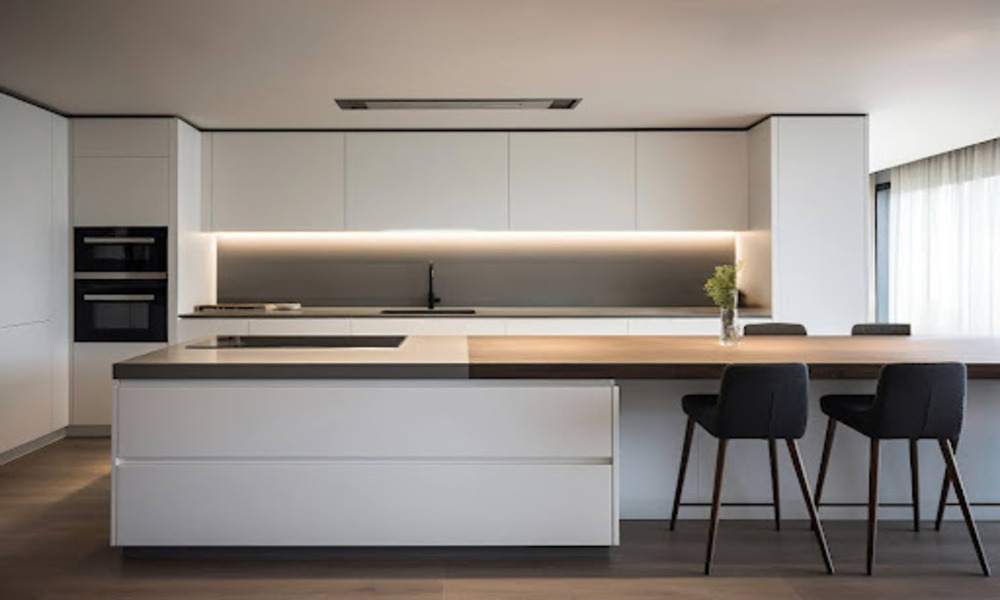
When it comes to kitchen furniture, cabinetry is not just about storage—it’s the backbone of functionality, durability, and aesthetic appeal. Over the years, a variety of materials, including solid wood, plywood, and PVC, have dominated the market. However, with the increasing demand for high-performance, sustainable materials, stainless steel kitchen cabinets have taken the spotlight as the future of kitchen furniture.
In this blog, we’ll break down how stainless steel compares to traditional materials like wood, plywood, and PVC, and why it’s being hailed as the ultimate contender for modern kitchens.
What Makes Stainless Steel Kitchen Cabinets a Game-Changer?
Be it durability, versatility, eco-friendliness, or low maintenance, stainless steel kitchen cabinets are paving the way toward a smarter, more efficient home. Below, we’ll focus on the key points that make stainless steel cabinets a valuable investment in comparison to traditional materials such as solid wood, plywood, and PVC.
1. Durability: Built to Last
Durability is a top priority when selecting materials for a frequently used space like your kitchen.
Stainless Steel: Known for its unmatched strength, stainless steel is resistant to water, heat, chemicals, and impacts. It doesn’t rot, corrode, or warp, making it the most reliable material for kitchen cabinets.
Solid Wood: Real wood is undeniably sturdy and offers a timeless look. However, it is prone to scratches, dents, and warping if exposed to humidity or temperature fluctuations. It may also require additional maintenance to preserve its appearance and strength.
Plywood: Plywood has better durability than MDF but can experience delamination or warping when exposed to water or heat over time.
PVC: While PVC is resistant to water and termite damage, it is prone to scratches and cracks if it faces heavy use or high impact.
Winner: Stainless Steel
2. Resistance to Water and Heat
Kitchens often face heavy moisture from dishwashing and steam from cooking. Water and heat resistance are critical for ensuring your furniture has a long lifespan.
Stainless Steel: With 100% water and moisture resistance, stainless steel is perfect for handling spills, humidity, and splashes without deteriorating. It’s also fireproof, adding safety and reliability in high-heat conditions.
Solid Wood: Wood is highly susceptible to moisture and heat unless treated with protective finishes. Over time, these treatments wear out, leaving wood vulnerable to warping and rotting.
Plywood: Plywood fares better than solid wood when it comes to resisting water damage, but persistent exposure to moisture can still lead to swelling and breakdown.
PVC: PVC is fully water-resistant and is often marketed for its versatility in humid environments. However, it has poor heat resistance and may warp or melt if exposed to prolonged heat.
Winner: Stainless Steel
3. Maintenance
Most people prefer kitchen furniture that’s easy to maintain. It saves time and effort, especially in a high-traffic area like the kitchen.
Stainless Steel: Maintenance is effortless—wipe down the metal with a damp cloth or stainless steel cleaner to keep it clean and shiny. Its non-porous surface does not absorb stains, odors, or grease, making it one of the most hygienic materials available.
Solid Wood: Requires periodic sealing, painting, or refinishing to maintain its quality and appearance. Stains and grease can be difficult to clean without damaging the finish.
Plywood: May require minor upkeep to prevent delamination or address visible damage. It is slightly easier to clean than wood but still lacks the simple wiping care that stainless steel offers.
PVC: Requires basic wiping and cleaning, but its plastic nature can degrade over time, especially in high-temperature environments.
Winner: Stainless Steel
4. Aesthetic Appeal
The right material can enhance the overall beauty of your kitchen. Your choice largely depends on personal preference and the design style you’re going for.
Stainless Steel: With its sleek, industrial appearance, stainless steel is perfect for modern, minimalist, and contemporary kitchens. It provides an unmatched luxury feel with its smooth metallic sheen.
Solid Wood: A classic choice, wood adds a warm, timeless charm to kitchens. The ability to stain or paint natural wood is ideal for traditional, rustic, or eclectic kitchen themes.
Plywood: Plywood can mimic the look of solid wood while offering a cost-effective solution. While the natural feel is appealing, it lacks the rich details found in real wood.
PVC: PVC cabinets are available in various colors and finishes, making them a flexible choice for different designs. However, the plastic feel may not appeal to those seeking a luxurious or elegant look.
Winner: Tie (depending on style preference)
5. Long-Term Cost Efficiency
Choosing kitchen furniture involves considering not only initial costs but also long-term value.
Stainless Steel: While typically more expensive upfront, stainless steel cabinets rarely need repairs or replacements. They are a smart long-term investment that pays off through their longevity.
Solid Wood: Premium woods such as oak or cherry have a higher initial cost but may last long with proper care. However, the regular maintenance costs might add up in the long run.
Plywood: One of the more affordable options upfront, plywood is a cost-effective alternative to solid wood, but it may not last as long.
PVC: Typically the most affordable material in terms of upfront price, but the lifespan is shorter than that of stainless steel, increasing replacement costs over time.
Winner: Stainless Steel for long-term savings; PVC for upfront affordability.
6. Sustainability
As homeowners become more eco-conscious, choosing sustainable materials is growing in importance.
Stainless Steel: Stainless steel is entirely recyclable and emits zero toxic fumes during its use. Its long lifespan ensures it remains environmentally friendly, as fewer replacements mean less waste.
Solid Wood: When sourced responsibly (from FSC-certified suppliers), solid wood is eco-friendly. However, deforestation and harmful production practices can negate this.
Plywood: Plywood requires resins and adhesives that can be harmful and non-biodegradable. Additionally, its production sometimes involves deforestation.
PVC: Made with synthetic processes, PVC is not considered eco-friendly due to its non-biodegradable nature and environmental pollutants during manufacturing.
Winner: Stainless Steel
Stainless Steel: The Future of Kitchen Furniture
After evaluating the key aspects of kitchen cabinet materials—durability, water and heat resistance, hygiene, maintenance, aesthetics, cost efficiency, and sustainability—it is evident that stainless steel kitchen cabinets are leading us into the future of kitchen furniture.
Why choose stainless steel cabinets?
1. Resilience Above All
Stainless steel’s strength and resistance to damage far exceed that of any other material, making it one of the longest-lasting investments for kitchen cabinets.
2. Perfect for Modern Kitchens
As kitchen design evolves to become more minimalist and contemporary, stainless steel fits right in with its sleek and professional appearance. It complements modern appliances and decor seamlessly.
3. Hygienic and Low Maintenance
The non-porous, easy-to-clean surface ensures you’ll always have a sanitary kitchen environment without the hassle of refinishing or repairing cabinets.
4. Sustainable Solution
Environmental sustainability is increasingly important, and stainless steel checks all the boxes when it comes to reducing ecological impact.
Embrace the Stainless Steel Revolution
While solid wood, plywood, and PVC have their strengths, stainless steel kitchen cabinets are the most forward-thinking and reliable option for the modern kitchen. From unmatched durability and hygiene to eco-friendliness and sleek aesthetics, stainless steel ensures your kitchen furniture stands the test of time while advancing design trends.
