
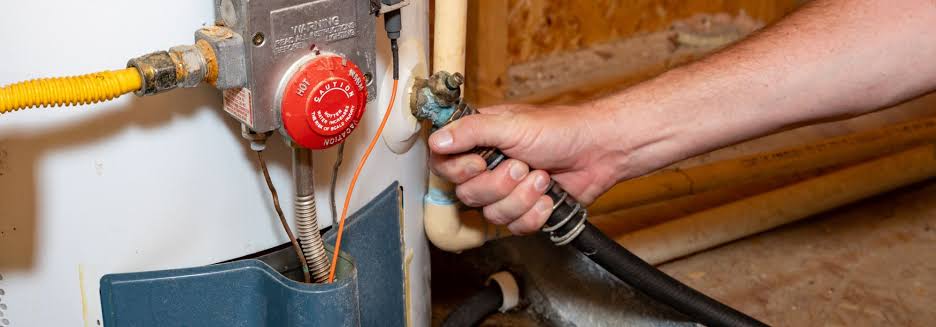
There are few household inconveniences that catch you off guard quite like turning on the faucet or stepping into the shower and realizing there’s no hot water. It’s one of those problems that instantly interrupts your day, whether you’re getting ready for work, washing dishes after dinner, or doing laundry. Because we rely on hot water so often without giving it much thought, it’s easy to forget how essential a properly functioning water heater is until something goes wrong. The good news is that a sudden loss of hot water doesn’t always mean your system has completely failed. In many cases, the cause is something that can be identified quickly, and understanding the warning signs can help you make the right decision before a minor issue becomes a costly repair.
If you’ve started researching water heaters for Pensacola homes, it’s helpful to understand what might be causing your system to stop producing hot water. Sometimes the solution is surprisingly simple, while in other cases it points to a mechanical problem that requires professional attention. Knowing the difference can save you time, prevent unnecessary stress, and even help you avoid more expensive repairs down the road.
Check the Power or Fuel Supply First
Before assuming the worst, start with the basics. Many water heater issues are caused by something much simpler than a failed appliance.
If you have an electric water heater, check your home’s electrical panel to see whether the circuit breaker has tripped. Occasionally, a power surge or temporary electrical issue can interrupt power to the unit. Resetting the breaker may solve the problem, but if it trips again, there’s likely an underlying electrical fault that should be inspected by a qualified technician.
For gas water heaters, confirm that the gas supply is turned on and check whether the pilot light is still burning if your model uses one. Modern units with electronic ignition systems may display an error code that can help identify the issue.
Verify the Thermostat Setting
It’s surprisingly common for thermostat settings to be changed accidentally. Whether someone adjusted it without realizing or the setting shifted during maintenance, a lower temperature can make it seem as though the water heater has stopped working.
Most manufacturers recommend keeping the temperature around 120°F. This setting provides comfortable hot water while helping reduce energy consumption and minimizing the risk of scalding.
If the thermostat is already set correctly and the water still isn’t heating, another component may be preventing the unit from operating properly.
Consider the Age of Your Water Heater
Like every major household appliance, water heaters eventually wear out.
Traditional storage tank water heaters generally last between eight and twelve years, while tankless systems often remain reliable for fifteen to twenty years with proper maintenance. As equipment ages, heating elements, burners, thermostats, and internal components naturally begin to fail.
If your water heater is nearing the end of its expected lifespan and has needed multiple repairs recently, replacing it may be a more practical long-term investment than continuing to repair aging parts.
Sediment Buildup Can Affect Performance
Over time, minerals found naturally in water settle at the bottom of a storage tank. This buildup creates an insulating layer that forces the heating element or burner to work harder to heat the water.
As sediment accumulates, you may notice that hot water doesn’t last as long, takes longer to heat, or never reaches the desired temperature. Some homeowners also hear popping or rumbling sounds coming from the tank as trapped water heats beneath hardened mineral deposits.
Flushing the tank periodically helps remove sediment and keeps the system operating more efficiently.
Inspect the Unit for Leaks
Even a small leak can signal a larger problem.
Take a careful look around the base of the water heater and inspect nearby pipes, valves, and fittings. Water pooling around the tank may come from a loose connection, a faulty pressure relief valve, or corrosion inside the tank itself.
External leaks are sometimes repairable, but if the tank has begun rusting from the inside, replacement is often the safest and most economical solution.
A Failed Heating Element or Burner Could Be the Cause
Electric water heaters rely on heating elements, while gas models use burners to warm the water. When one of these components stops working, your water heater may struggle to produce enough hot water or stop heating altogether.
Some common signs include inconsistent water temperatures, hot water running out quickly, or water that never becomes fully hot.
Replacing these components usually requires proper testing and diagnosis, making professional service the safest option.
Strange Noises Shouldn’t Be Ignored
Water heaters generally operate quietly, so unusual sounds deserve attention.
Banging, popping, crackling, or rumbling noises are often caused by hardened sediment inside the tank. Besides reducing efficiency, this buildup forces the unit to work harder and can shorten its overall lifespan if left unaddressed.
Scheduling maintenance when these noises first appear can help prevent more significant problems later.
Determine Whether the Problem Is Throughout the House
If every sink, shower, and appliance is producing cold water, the issue almost certainly originates with the water heater.
However, if only one faucet lacks hot water while the rest of the home functions normally, the problem may lie with that individual fixture. A worn faucet cartridge or malfunctioning mixing valve can prevent hot water from reaching a single tap even when the water heater is operating correctly.
Checking multiple fixtures before troubleshooting further can help narrow down the source of the issue.
Know When It’s Time to Call a Professional
Although homeowners can safely perform a few basic checks, certain problems require experienced service.
Professional assistance is recommended if you notice gas odors, electrical issues, leaking tanks, rusty hot water, repeated breaker trips, unusual error codes, or no improvement after completing basic troubleshooting.
Attempting to repair gas lines, electrical components, or pressurized water heater systems without proper training can create serious safety risks.
Prevent Future Problems with Regular Maintenance
Many unexpected water heater failures can be avoided through routine maintenance.
Flushing the tank once a year, inspecting for leaks, testing the temperature and pressure relief valve, and replacing worn components before they fail all contribute to better performance and a longer system lifespan. Having the unit professionally inspected every few years also helps identify hidden problems before they become expensive emergencies.
Final Thoughts
Losing hot water can be frustrating, but it doesn’t always mean you’ll need to replace your entire water heater. In many situations, the cause is a relatively minor issue that can be diagnosed and repaired before it leads to more significant damage. By checking the basics first, paying attention to warning signs, and scheduling maintenance when needed, homeowners can often restore reliable hot water quickly and avoid unnecessary expenses. Whether your system needs a simple repair or has reached the end of its lifespan, taking action early is the best way to keep your home comfortable and your water heater operating efficiently.
