
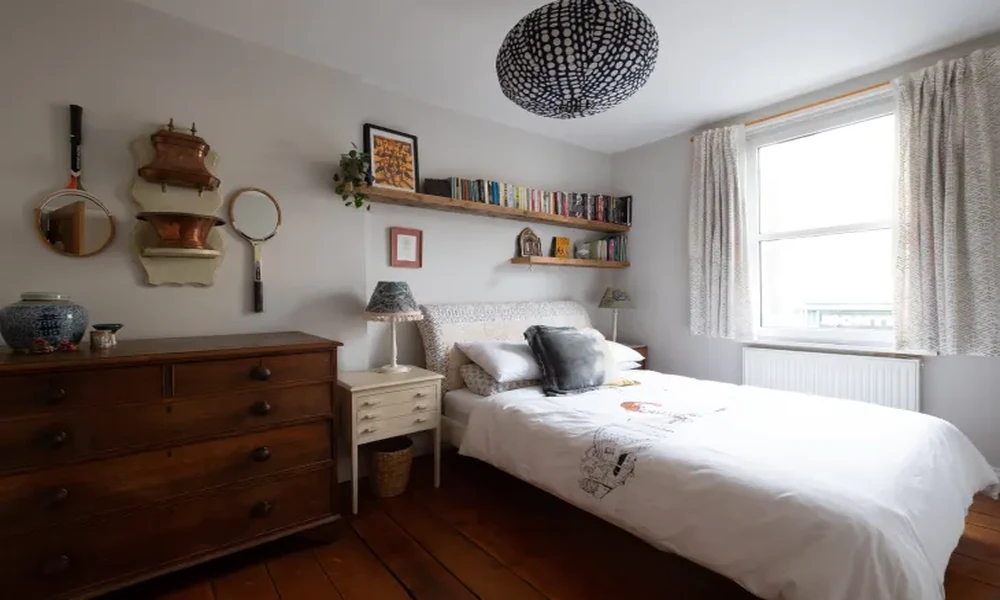
Young children see dressers, bookcases, and TV stands as things to climb. A pulled-out drawer becomes a step, and a shelf becomes a ladder. When a heavy piece is not secured, that curiosity can lead to a dangerous tip-over in seconds. The good news is that most of these accidents are preventable with a few simple habits.
Stability starts with choosing well-built furniture, and many parents read Coleman Furniture reviews and similar owner feedback for comments on sturdiness and construction. Even the best-made piece still needs to be anchored in a home with children. Here is what every parent should know about preventing tip-overs.
Why Furniture Tips Over
Tall or top-heavy furniture can tip when weight shifts forward. Common causes include:
- Open drawers: Several pulled-out drawers move the center of gravity toward the front.
- Climbing: A child’s weight on a drawer or shelf adds force at the front edge.
- Heavy items on top: A television or stacked boxes make a piece more top-heavy.
- Uneven floors: Thick carpet or sloping floors can tilt furniture slightly forward.
Which Pieces Need Anchoring
Any piece that is tall, heavy, or has drawers deserves attention. That includes dressers, chests, bookcases, armoires, hutches, display cabinets, and TV stands. Televisions themselves should be wall-mounted or strapped to the furniture they sit on.
How to Anchor Furniture Step by Step
- Choose an anti-tip kit rated for the weight of the furniture.
- Locate a wall stud with a stud finder, or use anchors made for drywall if no stud is available.
- Attach one bracket or strap to the back of the furniture near the top.
- Attach the matching bracket to the wall at the same height.
- Connect the two and pull the strap snug so the piece cannot lean forward.
- Test by gently pulling the top of the furniture toward you.
Renters can often use anchors as long as they patch the small holes when moving out. Check the lease or ask the landlord if unsure.
Features That Improve Stability
- Interlocking drawers: Allow only one drawer to open at a time.
- Wide, low profiles: Low dressers and long media consoles are harder to tip than tall, narrow pieces.
- Solid backs: A rigid back panel gives anchors a secure place to attach.
- Included anti-tip hardware: Many manufacturers now ship furniture with a tip restraint in the box.
Arrange Rooms to Discourage Climbing
Placement matters as much as hardware. Keep toys, remotes, and favorite items on low shelves or in bins so children are not tempted to reach high. Avoid placing a dresser next to a bed or crib where it could become part of a climbing route.
Safety Habits for the Whole Family
- Close drawers fully after each use.
- Store heavy items in the bottom drawers and on lower shelves.
- Remind older children not to climb or hang on furniture.
- Recheck anchors after moving a piece or rearranging a room.
The federal Anchor It campaign provides free guidance and videos that show how to secure common household furniture.
Common Mistakes to Avoid
- Relying on furniture weight: Even heavy pieces can tip when drawers are open and a child climbs.
- Using the wrong wall anchor: Light-duty hooks can pull out of drywall under load.
- Forgetting the TV: A television sitting loose on a stand is a common tip-over hazard.
- Skipping guest rooms: Visiting children may explore rooms that are rarely used.
Peace of Mind in Every Room
Anchoring furniture takes an afternoon and a few inexpensive straps, and it protects children for years. Paired with sturdy pieces and smart room arrangements, it lets families enjoy their homes knowing that curious climbers are a little safer.
