
Seattle’s climate, known for its frequent rain, mild temperatures, and lush greenery, creates both opportunities and challenges for homeowners planning outdoor spaces. While the environment supports beautiful plant growth, it can also lead to overgrowth, soggy soil, and ongoing maintenance demands. This is why many homeowners are now focusing on Seattle landscaping designs that are low-maintenance, practical, and visually appealing throughout the year. A well-planned landscape can reduce upkeep while still enhancing curb appeal and outdoor enjoyment.
Understanding the Seattle Climate and Its Impact on Landscaping
Seattle’s weather plays a major role in shaping successful landscaping choices. With consistent rainfall for much of the year, soil tends to retain moisture, which influences plant selection, drainage systems, and overall yard structure. Without proper planning, landscapes can become overgrown or waterlogged, leading to higher maintenance needs.
Seattle landscaping must account for shade, moisture levels, and seasonal changes. Many yards experience limited sunlight due to cloud cover and surrounding trees, making it important to choose plants that thrive in partial shade and damp conditions. Native plants are often a strong choice because they are already adapted to the region’s environment and require less intervention to stay healthy.
Drainage is another important factor. Poor water management can lead to standing water, moss growth, and root damage. Incorporating proper grading, gravel pathways, and rain-friendly design elements helps keep outdoor spaces functional and low-maintenance over time.
Smart Design Choices for Low-Maintenance Outdoor Spaces
Creating low-maintenance Seattle landscaping starts with intentional design. One of the most effective strategies is reducing large lawn areas. Traditional grass lawns require frequent mowing, fertilizing, and watering, which can be time-consuming. Replacing portions of the lawn with ground covers, gravel, or hardscaping can significantly reduce upkeep.
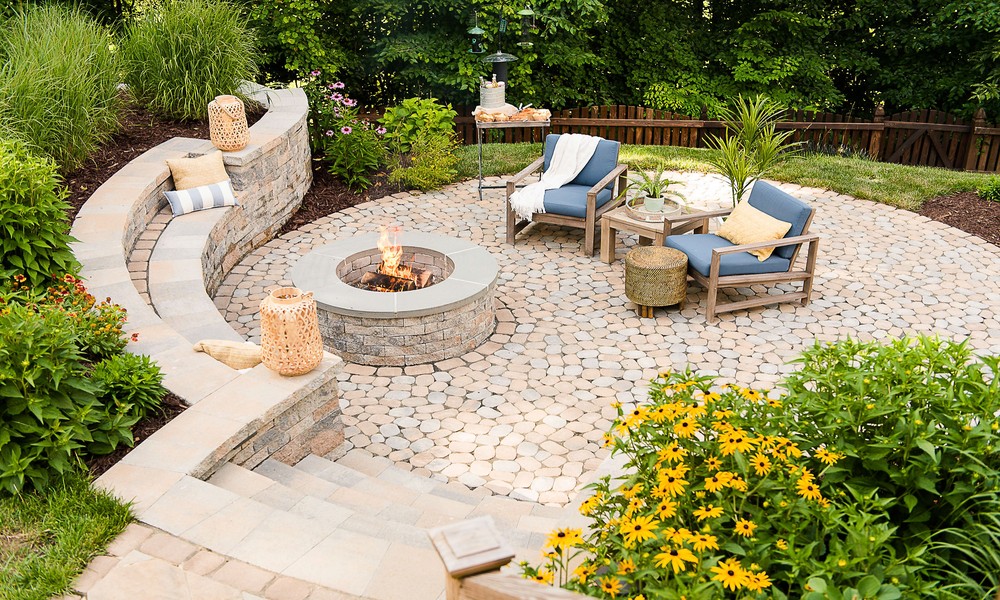
Hardscaping elements such as stone patios, walkways, and retaining walls also play a key role in reducing maintenance needs. These features add structure and visual interest while eliminating the need for constant care. In Seattle landscaping, hardscaping is especially useful for managing slopes and preventing erosion caused by heavy rainfall.
Another smart design choice is grouping plants with similar water and sunlight requirements. This makes irrigation more efficient and reduces the need for constant adjustments. Mulching garden beds also helps retain soil moisture, suppress weeds, and improve soil health, all of which contribute to a lower-maintenance yard.
Choosing evergreen plants is another effective strategy. Evergreens maintain their appearance year-round, reducing the need for seasonal replanting. Combined with drought-tolerant species that can handle varying moisture levels, homeowners can create a balanced and sustainable landscape design.
Plant Selection and Sustainable Landscaping Practices
Plant selection is one of the most important aspects of Seattle landscaping, especially when aiming for low maintenance. Native plants such as ferns, salal, and Oregon grape are naturally suited to the region and require minimal care once established. These plants are resilient, adapt well to local soil conditions, and support local ecosystems.
Ornamental grasses are also popular in low-maintenance designs because they provide texture and movement without requiring frequent pruning. They can withstand Seattle’s wet winters and dry summer periods, making them a versatile option for year-round appeal.
Sustainable landscaping practices further reduce maintenance needs while benefiting the environment. Rain gardens, for example, are designed to absorb and filter rainwater naturally. These features not only improve drainage but also add visual interest to the landscape. Permeable paving is another sustainable solution that allows water to pass through surfaces, reducing runoff and water pooling.
Investing in professional smart irrigation services and drip systems can also help simplify watering routines. These systems deliver water directly to plant roots, reducing waste and ensuring consistent hydration without manual effort. In Seattle landscaping, where rainfall is frequent but not always evenly distributed, efficient irrigation systems help maintain plant health with minimal intervention.
Long-Term Benefits of Low-Maintenance Seattle Landscaping
Investing in low-maintenance Seattle landscaping provides long-term advantages for homeowners. One of the most noticeable benefits is reduced time spent on yard work. With fewer mowing, pruning, and watering tasks, homeowners can enjoy their outdoor spaces rather than constantly maintaining them.
Cost savings are another important benefit. Less water usage, fewer chemical treatments, and reduced need for ongoing landscaping services all contribute to lower maintenance expenses over time. Durable design choices and appropriate plant selection also reduce the likelihood of costly repairs or replacements.
Low-maintenance landscaping also improves property value by creating a clean, well-designed outdoor environment that remains attractive throughout the year. In a city like Seattle, where outdoor aesthetics are highly valued, a thoughtfully designed landscape can significantly enhance curb appeal.
sUltimately, creating low-maintenance Seattle landscaping designs is about combining smart planning, sustainable practices, and the right plant choices. With careful design, homeowners can enjoy beautiful outdoor spaces that thrive naturally in the Pacific Northwest climate while requiring minimal effort to maintain.
