
Why Seasonal HVAC Preparation Is Important
Texas weather can shift considerably throughout the year, placing different demands on residential heating and cooling equipment. Preparing a system before temperatures change helps homeowners identify maintenance concerns before the equipment enters a period of heavier use. Seasonal care also supports reliable operation, consistent indoor comfort, and fewer unexpected interruptions. For households with HVAC in League City, TX, seasonal preparation is particularly relevant because warm, humid summers and occasional winter cold spells create different heating and cooling requirements.
A planned inspection gives homeowners an opportunity to check essential components, replace worn parts, and arrange professional attention before small issues become larger problems.
Getting Air Conditioning Equipment Ready for Summer
Before summer temperatures rise, homeowners should make sure their air conditioning systems are ready for extended operation. Replacing dirty air filters is a useful starting point because restricted airflow can reduce cooling performance and increase equipment strain.
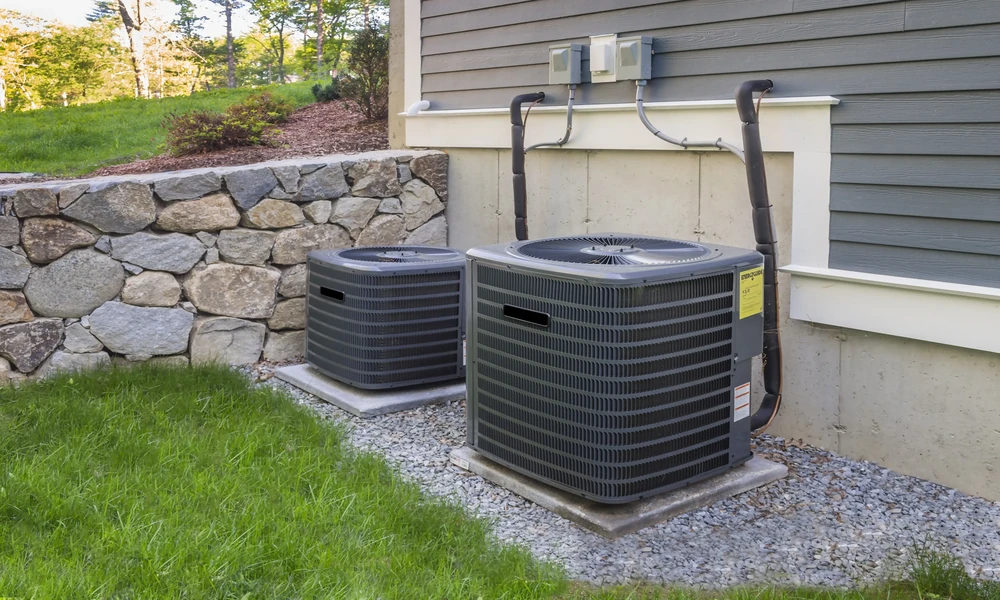
The outdoor condenser unit also needs attention. Leaves, grass clippings, and other debris should be cleared from the surrounding area so air can circulate freely. Homeowners should avoid bending the delicate fins or opening electrical compartments while cleaning.
A professional pre-summer inspection can include checking refrigerant levels, electrical connections, evaporator and condenser coils, condensate drainage, and thermostat operation. These checks help identify problems that may affect cooling when outdoor temperatures become consistently high.
Checking Heating Systems Before Cooler Weather Arrives
Although winters in coastal Texas are generally milder than in northern regions, cold periods can still make indoor heating necessary. Heating equipment should therefore be checked before the first significant drop in temperature.
Homeowners can test the heating function, inspect accessible filters, and make sure supply and return vents remain unobstructed. Unusual noises, delayed startup, or inconsistent heat distribution may indicate a developing problem.
Professional maintenance is important for examining burners, ignition systems, electrical components, and safety controls where applicable. For fuel-burning equipment, proper inspection also helps identify ventilation and combustion concerns.
Thermostat Adjustments for Changing Temperatures
Thermostat settings should reflect seasonal requirements and household routines. During summer, a moderate cooling setting can help balance comfort with energy use. In cooler weather, suitable heating settings can prevent unnecessary operation.
Programmable thermostats allow temperature schedules to change automatically throughout the day. Homeowners should also check thermostat batteries, settings, and placement to ensure readings are not affected by direct sunlight or nearby heat sources.
Outdoor Unit Care and Airflow Considerations
Outdoor equipment needs adequate clearance throughout the year. Vegetation should be trimmed back, and stored items should not block airflow around the unit. After storms, homeowners can check the surrounding area for fallen branches, leaves, or visible damage.
Good airflow supports heat exchange and helps equipment operate as intended. Any unusual vibration, damaged casing, or persistent debris buildup should be assessed rather than ignored.
Creating a Year-Round HVAC Maintenance Schedule
A simple maintenance calendar can make seasonal preparation easier. Filter checks can be scheduled monthly, while professional inspections can be arranged before periods of heavy heating or cooling demand.
Keeping records of service visits, filter replacements, and recurring issues also helps identify patterns over time. With consistent attention to both heating and cooling equipment, homeowners can prepare their systems for changing Texas weather and maintain dependable indoor comfort throughout the year.
