
Key Takeaways
- Seasonal changes in Northern Virginia create different pest challenges throughout the year, requiring homeowners to adjust prevention strategies accordingly.
- Regular inspections and home maintenance are essential for identifying and addressing pest problems before they become major infestations.
- Sealing entry points, managing moisture, and maintaining clean surroundings help reduce the chances of pests entering your home.
- Natural prevention methods and professional pest control services can work together to provide effective, long-term protection.
- Proactive pest management protects both homes and communities by creating healthier, safer, and more comfortable living environments year-round.
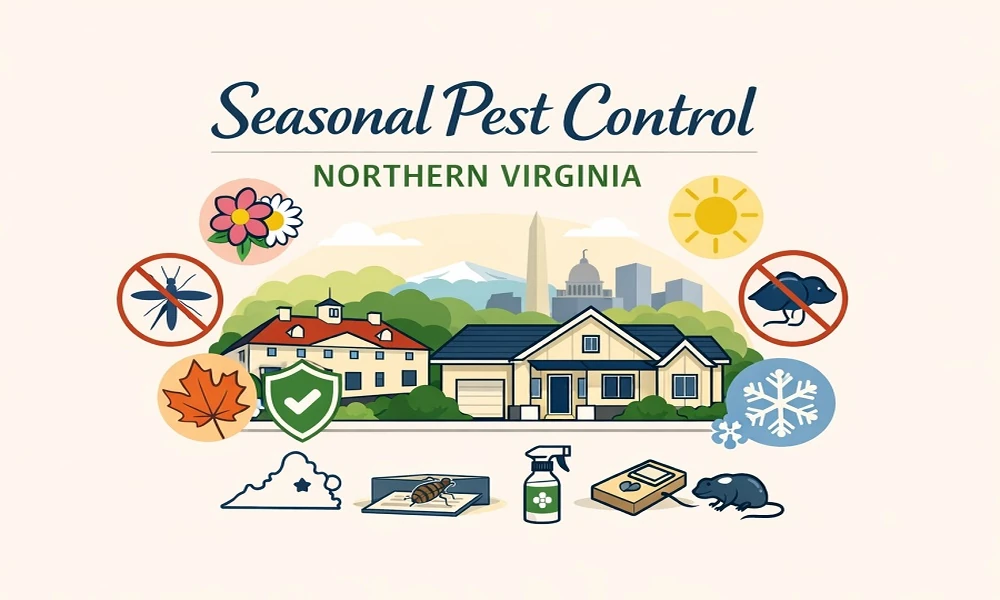
Living in Northern Virginia brings with it the beauty of rolling landscapes, vibrant communities, and all four seasons in full display. However, these changing seasons introduce unique pest control challenges that homeowners must address to protect their properties and maintain a comfortable, healthy environment. Partnering with local experts, such as Green Pest Services, can provide tailored pest management solutions that suit the climate and conditions specific to our region. The extremes of Northern Virginia’s weather, from humid summers to frosty winters, foster diverse pest populations. Whether you’re dealing with swarms of mosquitoes or rodents seeking warmth, understanding seasonal pest patterns and acting proactively can save time, money, and peace of mind year-round. Adapting your pest control strategy to the local landscape ensures the community remains safe, clean, and welcoming.
As spring returns, the region’s lush greenery and moisture offer ideal breeding grounds for insects. Summer brings with it peak pest activity, while fall and winter create opportunities for critters to invade homes seeking shelter. Each season requires a distinct approach, and knowing how pests behave in Northern Virginia’s distinct climate can make all the difference for long-term prevention. To remain pest-free year-round in Northern Virginia, it’s vital to combine regular inspections, prudent landscaping, and seasonal maintenance with natural and professional solutions as needed. These small measures help secure not just your house, but the wellbeing of your family and the broader community.
- Each season brings unique pest challenges; proactive measures can keep your home pest-free year-round.
- Regular inspections and maintenance are crucial in preventing infestations.
- Natural remedies and professional services can be effective in managing pests.
Spring: Awakening Pests in Northern Virginia
With the arrival of mild temperatures and blooming flora, pests such as ants, termites, and mosquitoes resurface across the region. The increased rainfall and thawing grounds set the stage for these invaders to thrive. Homeowners should take action to deter these springtime offenders before infestations take root:
- Eliminate Standing Water: Remove birdbaths, old tires, and clogged gutters to cut off mosquito breeding zones, which are especially persistent in the humid climate of Northern Virginia.
- Seal Entry Points: Thoroughly inspect foundations, doors, and windows for cracks. Sealing these gaps with caulk or weather stripping helps reduce indoor invasions.
- Maintain Landscaping: Prune back dense shrubs and tree limbs. Overgrown vegetation can serve as shelter for pests and conduits for them to enter your home.
For additional guidance on spring pest prevention, the United States Environmental Protection Agency offers several useful recommendations for homeowners navigating seasonal shifts.
Summer: Peak Pest Season
The sultry summers and high humidity across Fairfax, Loudoun, and Prince William counties create ideal breeding grounds for ticks, mosquitoes, and flies. Additionally, hot spells drive ants indoors in search of relief and sustenance. Homeowners should:
- Use Insect Repellents: Apply EPA-approved repellents, especially during outdoor activities like picnics or grilling. Northern Virginia’s parks and wooded neighborhoods are hotspots for biting insects.
- Install Screens: Check that all windows and doors have undamaged screens. Even the smallest tear can let in a variety of pests common during the humid summer months.
- Keep Food Sealed: Store all pantry goods and pet food in airtight containers. Open food sources inside and outside your home attract bugs, ants, and rodents alike.
Fall: Invading Insects
As autumn brings crisp air and colorful leaves, pests like stink bugs, spiders, and mice seek refuge from the dropping temperatures by finding their way inside homes. The following are important strategies:
- Seal Cracks and Gaps: Survey your home’s exterior, paying special attention to utility entry points, vents, and basement windows. Seal gaps with weather-resistant material.
- Store Firewood Properly: Keep firewood at least 20 feet away from the house and off the ground to prevent insects and rodents from migrating indoors.
- Install Door Sweeps: Add door sweeps to all exterior doors. This not only blocks pests but also improves energy efficiency as the weather cools.
Winter: Shelter-Seeking Rodents
When winter’s chill sets in across Northern Virginia, rodents and certain insects seek warmth inside homes. To reduce their access and minimize seasonal pest issues:
- Inspect Attics and Basements: Look for signs like droppings or gnaw marks. Attics, basements, and crawl spaces are prime overwintering sites for many local pests.
- Reduce Clutter: Organize garages, basements, and other storage areas. Cardboard boxes and piles of belongings offer excellent hiding spots.
- Store Food Securely: Using sealed plastic or glass containers for pantry staples will reduce the temptation for hungry pests to make your home their winter retreat.
More tips on protecting homes from rodents during winter can be found through the resources provided by the United States Environmental Protection Agency.
Year-Round Maintenance for Northern Virginia Homeowners
Consistent maintenance and prompt attention to minor issues are the pillars of effective pest prevention. Establish a routine of inspecting vulnerable areas, cleaning up food debris, and monitoring for signs of activity. Keeping gutters clean, garbage bins tightly closed, and the perimeter of your home free of debris helps make your property less inviting to pests year-round.
Natural Remedies and Professional Help
Many Northern Virginia residents prefer natural, non-chemical pest management methods when possible. Essential oils like mint and clove have repellent properties and can be used in certain areas where pests tend to congregate. However, for persistent or large-scale problems, it is advisable to consult a local pest control service. These experts understand the specific pest threats in our region and can design effective, environmentally responsible treatment plans for your home.
Conclusion
Staying ahead of seasonal pest threats is a critical aspect of homeownership in Northern Virginia. Understanding the behaviors of local pests and making timely adjustments to your maintenance routines will protect your home, enhance community wellbeing, and offer you and your family peace of mind. Embrace both preventive and responsive pest control methods to keep your home healthy and comfortable year-round. Regular inspections, proper sanitation, and proactive repairs can help identify potential problems before they become costly infestations. By establishing a consistent pest management routine and addressing vulnerabilities around your property, you can reduce the risk from common pests such as ants, rodents, and insects. Working with trusted professionals when necessary also ensures that treatments are safe, effective, and tailored to the unique conditions of Northern Virginia homes. A well-maintained home is the best defense against unwanted invaders year-round.
