
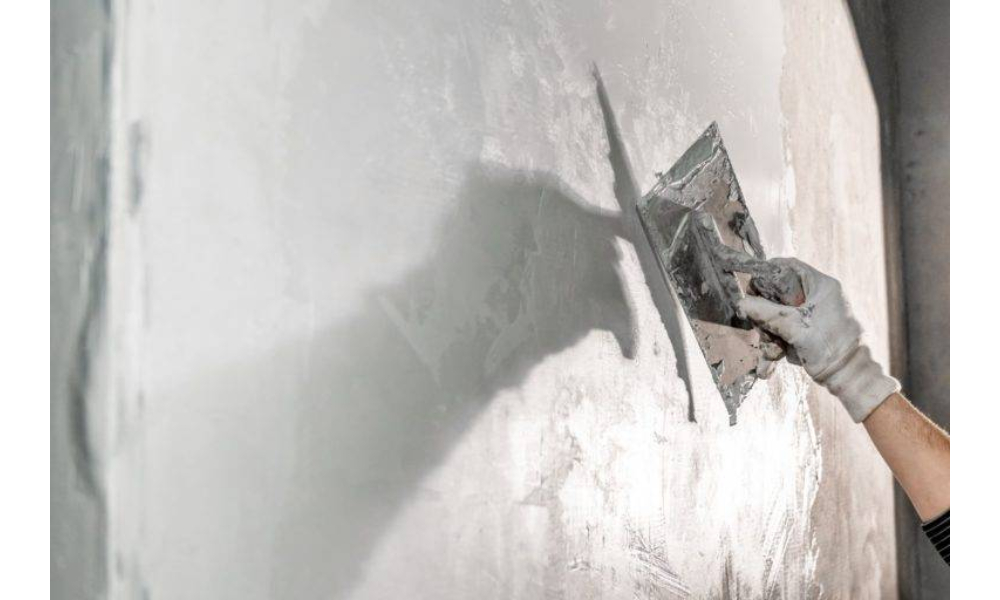
A dry and healthy home is essential for comfort and safety. Excess moisture can lead to problems such as mold, damp walls, structural damage, and even health issues for your family. One of the most effective ways to prevent these problems is through proper damp proofing. By controlling moisture in your home, damp proofing ensures a more comfortable living environment and protects the structure of your property for years to come.
What is Damp Proofing?
Damp proofing is a method used to stop water from entering your home through walls, floors, or the foundation. It involves applying a protective layer or treatment that prevents moisture from seeping into your living spaces. This process can be done during construction or added to an existing building to solve damp problems. By creating a barrier against moisture, damp proofing helps maintain a dry and safe home environment.
Benefits of Damp Proofing
One of the main advantages of damp proofing is that it protects your home from long-term damage. Moisture can weaken walls, damage paint and plaster, and even affect the foundation of your house. By preventing water from entering, damp proofing preserves the structural integrity of your property. Additionally, damp proofing keeps your home more energy-efficient. Dry walls and floors hold heat better, reducing heating costs during colder months.
Damp proofing also improves the overall health of your home. Excess moisture can cause mold and mildew, which may trigger allergies, asthma, and other respiratory problems. By keeping your home dry, damp proofing ensures a healthier living space for you and your family.
Types of Damp Proofing
There are several approaches to damp proofing, each suited for different situations. One common method is damp proof membranes, which are sheets of material installed under floors or inside walls to prevent water penetration. Another approach is chemical damp proofing, where a special solution is injected into walls to block moisture. External damp proofing involves adding protective coatings or sealants to the outside walls of your home. Each method is designed to target specific sources of moisture and can be chosen based on your home’s needs.
Signs That Your Home Needs Damp Proofing
It’s important to identify early signs of damp so that proper damp proofing can be applied before serious damage occurs. Common indicators include peeling paint, musty odors, water stains on walls or ceilings, and mold growth in corners or behind furniture. If you notice these signs, it is likely that moisture is entering your home, and damp proofing measures should be considered to protect your property and your family’s health.
Maintaining a Damp-Free Home
Even after damp proofing, regular maintenance is necessary to keep your home dry. Make sure gutters and downspouts are clear and functioning properly to direct water away from your home. Ventilate rooms well, especially kitchens and bathrooms, to reduce indoor humidity. Inspect walls and floors periodically for any signs of new moisture. By combining damp proofing with good maintenance habits, you can enjoy a dry and healthy home all year round.
Conclusion
Damp proofing is an essential step for any homeowner who wants to protect their property and maintain a comfortable living environment. By preventing moisture from entering your home, it safeguards against structural damage, mold growth, and health risks. Understanding the benefits, types, and maintenance of damp proofing allows you to make informed decisions for a dry and healthy home. Investing in damp proofing today ensures peace of mind and long-term protection for your family and property.
