
Sneezing at home but feeling fine outdoors can make anyone question what’s circulating through their ventilation system. Air ducts carry heated and cooled air throughout the house, and their condition can influence how dust and other particles move between rooms. However, understanding whether ductwork contributes to respiratory symptoms requires looking at more than visible dirt around the vents.
How Airflow Moves Dust and Allergens Around the House
An HVAC system draws indoor air through return vents, passes it through a filter, and sends conditioned air back into living spaces. Along the way, airborne particles such as pollen, pet dander, and household dust travel with the airflow. Properly fitted filters capture much of this material, but poorly sealed return ducts may pull additional dust from attics, crawl spaces, or wall cavities.
Accumulated debris inside ducts can contain allergens, although most settled material doesn’t automatically become airborne again. Air movement may disturb certain deposits, particularly near damaged connections or areas with heavy buildup. Professional duct cleaning can remove this material, but homeowners should avoid assuming that every respiratory complaint comes from dirty ductwork.
Could Poor Ventilation Be Behind Frequent Allergy Symptoms?
Indoor air can contain allergens and irritants from several sources, including carpets, bedding, cleaning products, and outdoor pollution. Limited fresh-air ventilation allows some pollutants to remain indoors longer, while poorly maintained HVAC filters may capture fewer particles as they become overloaded or allow air to bypass them. People with asthma or allergies may experience coughing, sneezing, or irritated eyes when exposed to certain triggers.
Symptoms alone cannot identify the ventilation system as the cause. Homeowners experiencing persistent breathing problems should seek medical advice while investigating possible indoor environmental concerns. The best duct cleaners understand that cleaning is appropriate when actual contamination exists, not simply because someone reports allergies.
Why Moisture Inside Ductwork Deserves Attention
Moisture creates conditions that can support microbial growth inside HVAC systems. Condensation may form on poorly insulated duct surfaces, while blocked condensate drains can leave water around cooling equipment. Damp insulation and accumulated organic debris can make the problem worse. If microbial contamination develops, airflow may carry particles from affected areas into occupied rooms.
Brentwood’s humid weather makes proper moisture control particularly important during warmer months. Technicians investigating musty odors should examine accessible duct connections, insulation, and nearby HVAC components for evidence of water damage. Professional air duct cleaning may remove contaminated debris, but cleaning alone cannot repair leaks or prevent moisture from returning.
Can Restricted Airflow Affect Indoor Comfort and Health?
Blocked filters, crushed flexible ducts, and poorly designed duct connections can reduce airflow to certain rooms. As a result, some areas may remain warmer or cooler than intended, making temperature and humidity harder to control. Excess indoor humidity can favor dust mites and mold growth, while overly dry air may irritate sensitive eyes, noses, and throats.
However, restricted airflow does not necessarily mean ducts contain excessive dust. Mechanical issues, dirty cooling coils, and closed or obstructed registers can cause similar problems. Homeowners considering duct cleaning in Brentwood, TN should have airflow concerns properly assessed before paying for cleaning that may not address the underlying issue.
What Can Homeowners Do Before Scheduling Duct Cleaning?
Checking HVAC filters is a practical starting point. Homeowners should confirm the correct filter size, inspect for gaps around the frame, and replace loaded filters according to manufacturer recommendations. Regular HEPA-filtered vacuuming, damp dusting, and controlling indoor humidity also reduce common sources of airborne particles.
Families looking to clean air ducts should pay attention to visible debris inside accessible openings, unusual dust coming from registers, or signs of pest contamination. Those searching for the best duct cleaners in Brentwood, TN should prioritize companies that inspect the ductwork and explain whether cleaning is necessary.
Knowing What Professional Cleaning Can Actually Accomplish
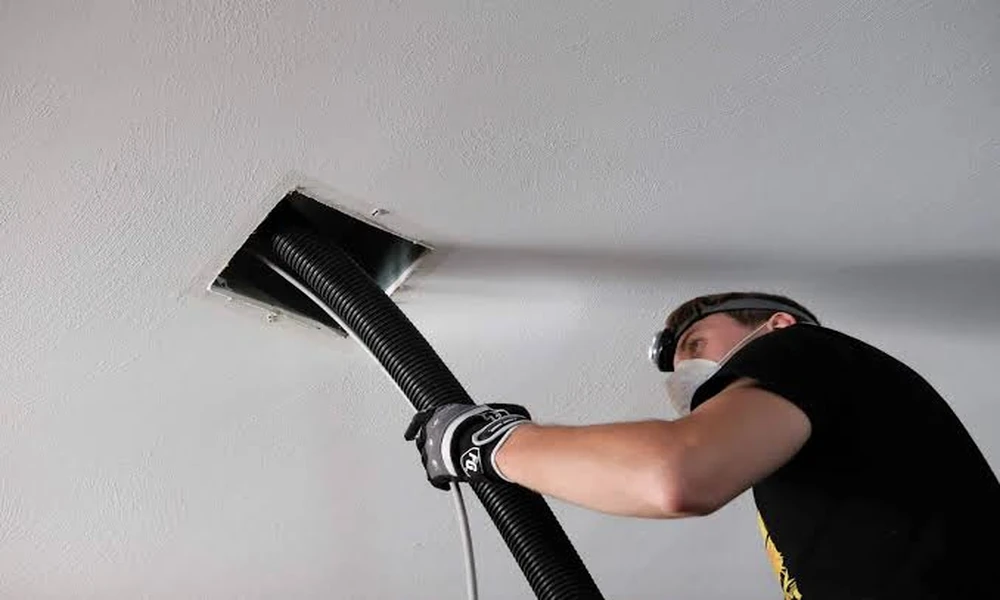
Professional duct cleaning services use specialized vacuum systems and agitation tools to remove accumulated debris from accessible ventilation passages. Proper containment prevents loosened particles from spreading through living spaces during the process. Cleaning may address identified contamination, but research has not consistently demonstrated that routine duct cleaning prevents illness or improves respiratory symptoms.
Residents comparing duct cleaning services in Brentwood, TN should ask about inspection methods, equipment, and the areas included in the service. Companies specializing in air duct cleaning in Brentwood, TN should also explain when HVAC repairs, moisture control, or additional indoor air quality assessments may be more appropriate.
For Brentwood households concerned about dust and debris circulating through their ventilation systems, Mr. B’s Air Duct Cleaning handles residential ductwork cleaning across Middle Tennessee. Its specialized equipment removes accumulated material from accessible duct passages when cleaning is warranted. Homeowners can discuss their system’s condition with the company to determine whether professional cleaning belongs in their efforts to maintain cleaner indoor air and a properly functioning ventilation system.
