
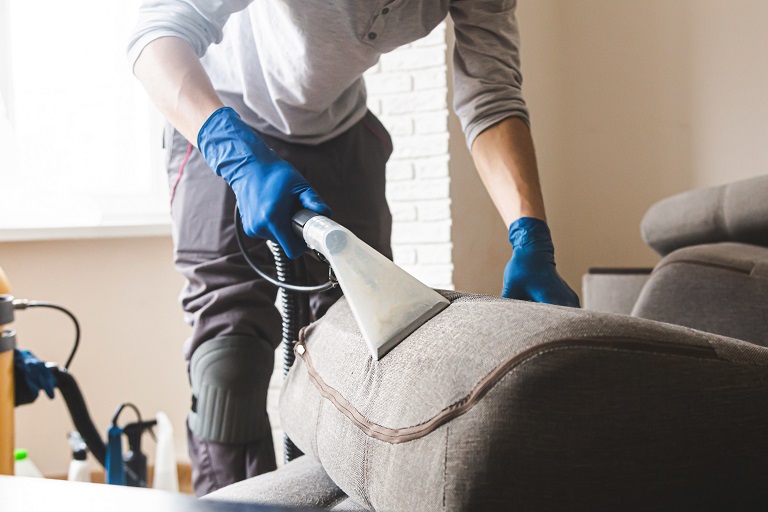
Your sofa isn’t just another piece of furniture — it’s where you relax after a long day, entertain guests, or binge-watch your favorite series. But over time, even the sturdiest sofas start showing signs of wear and tear. Sagging cushions, ripped fabric, or a creaky frame can make your once-luxurious couch look tired and uncomfortable.
Instead of rushing to buy a new one, why not give your sofa a second life? With the right repair techniques, you can restore comfort, beauty, and functionality without the high cost of replacement. In this ultimate sofa repair guide, we’ll walk you through practical tips to fix sagging cushions, torn upholstery, and broken frames — step-by-step.
Understanding Why Sofas Deteriorate
Before diving into repairs, it’s helpful to understand why sofas lose their charm over time. Daily use, body weight, spills, and sunlight exposure can weaken both the frame and fabric. Foam cushions flatten, springs lose tension, and fabrics fade or tear. The good news? Most of these problems are repairable with simple tools and techniques.
Regular maintenance and quick fixes can significantly extend your sofa’s lifespan. Let’s explore how to address the three most common issues — starting with sagging cushions.
How to Fix Sagging Sofa Cushions
Few things are as frustrating as sinking into a lumpy, uneven sofa. Sagging cushions are often caused by flattened foam or worn-out support straps. Here’s how to bring back their bounce:
Inspect the Cushion Fillings
Remove the cushions and unzip the covers. If the foam looks compressed or uneven, it’s time to replace or refill it. High-density foam or polyester fiberfill works best for a firm, long-lasting feel. You can also wrap the foam with a layer of batting for extra softness.
Add Extra Support Underneath
If the sagging continues, check the base of the sofa. Wooden slats or webbing may have loosened over time. Add a plywood sheet cut to size beneath the cushions for immediate reinforcement — a budget-friendly hack that adds years to your sofa’s life.
Rotate Cushions Regularly
To maintain even wear, rotate and flip your cushions every few months. This simple habit prevents one side from flattening faster than the other.
Repairing Torn Sofa Fabric
Whether it’s a small rip or a large tear, damaged upholstery can make your sofa look neglected. The best repair method depends on the type and size of the damage.
For Small Tears
If the tear is under 2 inches, use fabric glue or a self-adhesive patch. Gently align the torn edges, apply adhesive underneath, and press firmly. Let it dry completely before using the sofa.
For Large Rips or Worn Fabric
When the damage is extensive, consider reupholstering the sofa. This involves removing the old fabric and covering it with new material. Choose a durable, easy-to-clean fabric such as microfiber, leatherette, or heavy cotton. It’s a great opportunity to update your sofa’s look to match modern interiors.
Professional Touch-Ups
If you own a high-end sofa or leather upholstery, hiring a professional sofa repair service ensures seamless color matching and fabric restoration. Expert technicians can re-stitch seams, replace panels, and even restore faded areas to make your sofa look brand new.
Fixing a Broken Sofa Frame
A broken or creaky frame is one of the most serious (but still fixable) sofa problems. It often results from loose joints, cracked wood, or weakened screws.
Identify the Problem Area
Turn the sofa over and inspect the frame carefully. Look for cracks, split joints, or screws that have come loose.
Tighten and Reinforce Joints
Use a screwdriver or wrench to tighten all bolts and screws. For wooden frames, apply wood glue and clamp the joints until dry. Adding corner braces or metal brackets can further strengthen weak spots.
Replace Damaged Parts
If a wooden plank or beam is broken beyond repair, replace it with new hardwood pieces. Measure precisely to ensure a snug fit, then secure them with screws and glue.
Sofa Maintenance Tips for Long-Lasting Comfort
Repairing your sofa is just the beginning. To keep it looking fresh and inviting, follow these easy maintenance tips:
Vacuum weekly to remove dust, pet hair, and crumbs.
Keep it away from direct sunlight to prevent fading.
Use slipcovers or throws for extra protection against spills and stains.
Tighten bolts annually to maintain frame stability.
Condition leather upholstery every 6–8 months to prevent cracking.
A little care goes a long way in maintaining your sofa’s comfort and style.
Why Sofa Repair is a Smart Choice
Repairing your sofa instead of replacing it isn’t just economical — it’s also eco-friendly. By restoring old furniture, you reduce waste and minimize environmental impact. Plus, sofa repair allows for customization — you can choose fabrics, finishes, and cushioning levels that match your exact preferences.
In many cases, a well-repaired sofa looks and feels even better than a new one — because it’s tailored to your comfort and design taste.
Final Thoughts
Your sofa repair Dubai has been through countless memories — from family gatherings to lazy Sunday naps. Giving it a little attention and professional care can bring it back to life beautifully. Whether you’re fixing sagging cushions, reupholstering fabric, or reinforcing the frame, these sofa repair tips ensure durability and style that lasts for years.
If the task feels overwhelming, consider reaching out to a trusted sofa repair service in Dubai or Abu Dhabi for expert assistance. A skilled technician can restore your favorite piece of furniture to its original glory — so you can sit back, relax, and enjoy comfort like new again.
