
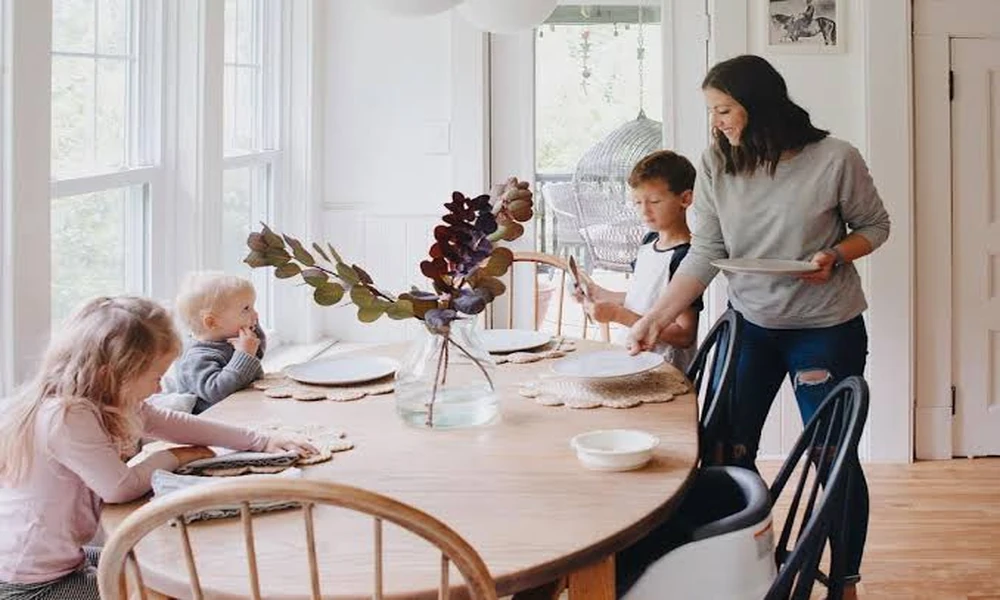
During a family visit, plan the evenings that genuinely need a home dinner and give yourself permission to repeat a familiar food. Change its role or accompaniment when that suits the group, and leave room for an evening that develops differently. Hosting becomes more manageable when the grocery list reflects the visit’s actual plans instead of an obligation to invent a new menu daily.
Agree which evenings need a home dinner
Before shopping, talk through the visit with the people who will be there. Arrival night, an evening after an outing, and a quiet day at home may call for different arrangements. You do not need a rigid itinerary. You need to know which dinners everyone expects you to provide and which remain undecided.
Clarify arrival times where they affect food. A visitor who expects to eat before arriving needs a different welcome from someone counting on dinner at your table. Avoid treating all travel days as the same. A direct conversation can prevent both an unnecessary meal and a hungry guest waiting while the host improvises.
Identify nights when a guest would like to cook or contribute. A relative may enjoy making one familiar dish, but that does not mean they want responsibility for the whole meal. Agree on the part they will handle and what you will provide. Their offer should reduce uncertainty rather than produce two people shopping for the same dinner.
Keep the arrangement visible in a simple household note. “Home dinner,” “guest cooking,” and “undecided” may be enough. Avoid filling every open space with a menu merely because a calendar looks unfinished. An undecided evening is useful information when it accurately reflects the group’s plans. If someone changes an outing, update the meal note as part of that conversation so the shopper and cook are working from the same expectations.
Ask about preferences and requirements once at the planning stage. If someone does not enjoy peppers, that should influence the central filling you buy. If another person wants optional heat, a separate condiment may be sufficient. The goal is a meal people can share comfortably, not a daily referendum on every grocery item.
Choose a familiar base for one of them
Select one meal you know how to organize in your own kitchen. Familiarity can mean a practiced serving arrangement rather than a complicated signature recipe. You already know which dishes fit the table, where the utensils are, and how the preparation fits around conversation. Those details matter when visitors are also using the space.
Frozen pierogies can be considered for that meal if the filling and package directions fit the group. Kickin’ Jalapeño, for instance, combines potato, cheddar, and jalapeño in a full-size vegetarian dumpling. It suits people who want that peppery filling; it is not a universal choice simply because it is one of the available varieties.
Decide whether the dumplings are the central item or an accompaniment. On one evening, they might sit beside a vegetable dish as the main part of dinner. Another planned meal might use a smaller amount alongside food a guest contributes. The role can vary without requiring you to buy a different flavor for every occasion.
Change accompaniments only where the change is useful. A fresh side one evening and a different prepared vegetable another can create a distinct plate. There is no need to disguise repetition with several sauces or a new serving style each time. Familiar food may be welcome during a visit, especially when everyone knows what is being offered.
Let package instructions determine preparation rather than estimating from memory. Visitors can create interruptions, so keep the directions accessible and use the tools the chosen method requires. A familiar meal is easier to manage when familiarity does not turn into assumptions about a different product or format.
When assigning shopping, distinguish the chosen filling from a broad category request. “Pierogies for dinner” leaves another person guessing about peppers, cheese, and size. Record the full name and an acceptable alternative, or agree that the buyer will check before substituting.
Leave an evening open for changed plans
A family visit may include an invitation, a later outing, or a day when everyone wants a quieter meal. Leave one evening flexible if the schedule allows it. That does not mean leaving the household without food. It means keeping an option available without committing every ingredient to a dish that must be served on a particular night.
For a Charlotte household planning a dumpling meal, this Charlotte shopping page can help identify the desired filling and retailer possibilities. Make the purchase for the meal you have agreed on, with storage capacity in mind. A store-finding resource is most useful when it follows a settled need rather than encouraging an assortment without a plan.
If plans change, adjust the menu before beginning unnecessary preparation. Keep frozen products stored as directed until you are ready to cook them. Avoid cooking an extra dinner simply because it appears on the original note. The plan exists to help the visit, and can be revised when the people around the table choose something else.
As the visit ends, take stock before the next ordinary grocery trip. Any unopened food should have a place in your household’s coming meals. The most successful hosting menu may leave you with a familiar dinner you still want to eat, rather than a collection of special-event ingredients that outlast their purpose.
