
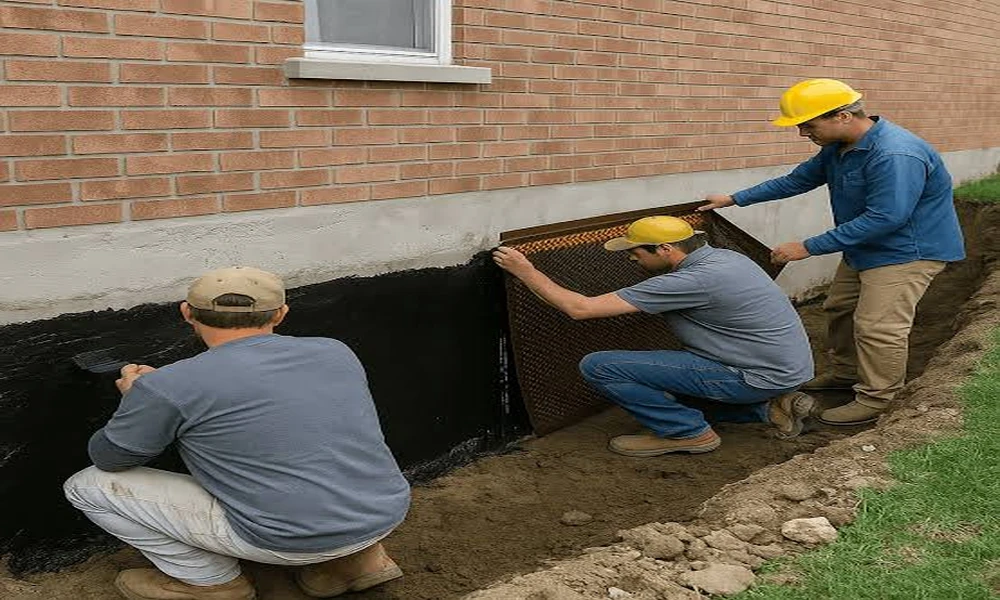
Why Foundation Problems Should Not Be Overlooked
A property’s foundation carries the weight of the entire building and transfers structural loads into the ground. When this support becomes unstable, the effects may gradually appear throughout the structure. Small cracks, changes in floor levels, and persistent moisture can sometimes indicate underlying foundation concerns. Although these symptoms do not always confirm structural damage, ignoring changes or delaying an inspection may allow an existing problem to become more extensive.
Foundation concerns can develop because of soil movement, poor drainage, ageing construction materials, or changes in groundwater conditions. Underpinning Toronto is a relevant consideration when structural assessments identify inadequate foundation support that requires reinforcement. However, underpinning is only one possible repair method, and the appropriate response depends on the cause and severity of the problem.
Cracks in Walls and Foundation Surfaces
Cracks are among the most noticeable signs that a property may be experiencing foundation movement. They can appear along basement walls, concrete floors, exterior brickwork, or interior plaster surfaces. Vertical cracks may result from several causes, while diagonal or stair-step cracks in masonry can sometimes indicate uneven settlement.
The size, direction, location, and progression of a crack provide useful information during an inspection. A small hairline crack may be associated with normal material shrinkage, but widening cracks or those accompanied by water leakage deserve closer attention. Recording changes over time can help professionals determine whether movement is continuing.
Uneven Floors and Changes in Door Alignment
A floor that slopes noticeably or feels uneven may indicate that part of the supporting structure has moved. Changes in foundation levels can affect floor joists, internal partitions, and other connected building components. In some cases, furniture may no longer sit evenly, or visible gaps may develop between flooring and skirting boards.
Doors and windows can provide additional clues. If a door suddenly becomes difficult to open or close, its frame may have shifted because of structural movement. Windows that stick, gaps around frames, and misaligned fittings should also be examined, particularly when several symptoms occur together.
Moisture Intrusion and Related Warning Signs
Water entering a basement can point to drainage or foundation-related problems. Damp patches, peeling paint, white mineral deposits, musty smells, and visible water stains may indicate moisture penetration through walls or floors. Persistent dampness can also damage finishes and contribute to deterioration of certain building materials.
Possible causes include poor exterior grading, blocked gutters, leaking pipes, inadequate drainage, or cracks in foundation walls. Identifying the source is important because waterproofing alone may not resolve an issue caused by structural movement. Both moisture conditions and the physical state of the foundation should be evaluated.
The Role of Professional Foundation Inspections
A professional inspection helps establish whether visible warning signs are related to foundation movement or another building issue. An assessment may include examining foundation walls, measuring floor levels, reviewing crack patterns, and checking drainage around the property. Where necessary, structural engineers may recommend further testing to understand soil conditions and the extent of settlement.
Evaluating Suitable Foundation Repair Methods
Repair methods should be selected only after the underlying cause has been identified. Depending on the findings, solutions may include crack repairs, drainage improvements, waterproofing, foundation reinforcement, or underpinning. Each approach addresses different conditions, so selecting a method without an adequate assessment can leave the original problem unresolved.
Timely inspections, accurate diagnosis, and appropriate repair planning help protect a property’s structural integrity. Monitoring changes after repairs is equally important, as it provides an opportunity to identify continuing movement and address maintenance concerns before they become more serious.
