
How Surface Conditions Influence Cleaning Decisions
Every surface in a home or commercial space reacts differently to daily use. Foot traffic, dust exposure, and moisture contact gradually change how materials look and perform over time. Some areas develop dull patches, while others retain shine depending on how frequently they are used. These differences make surface care more than a routine task-it becomes a process of understanding material response and selecting the right treatment approach for each condition. In busy environments, visible wear often develops unevenly, which requires structured planning rather than uniform cleaning methods.
Inspection and Surface Assessment Before Treatment
Before any cleaning work begins, surfaces are evaluated to understand their current condition. This includes checking for embedded dirt, surface dullness, stains, and texture changes. The goal is to identify how deeply contaminants have settled and what type of treatment will restore balance without damaging the material. Different flooring types respond differently to pressure, moisture, and abrasion, so careful observation helps determine the correct approach. This step ensures that the cleaning process is based on actual surface needs rather than surface appearance alone.
Controlled Techniques Used in Deep Surface Restoration
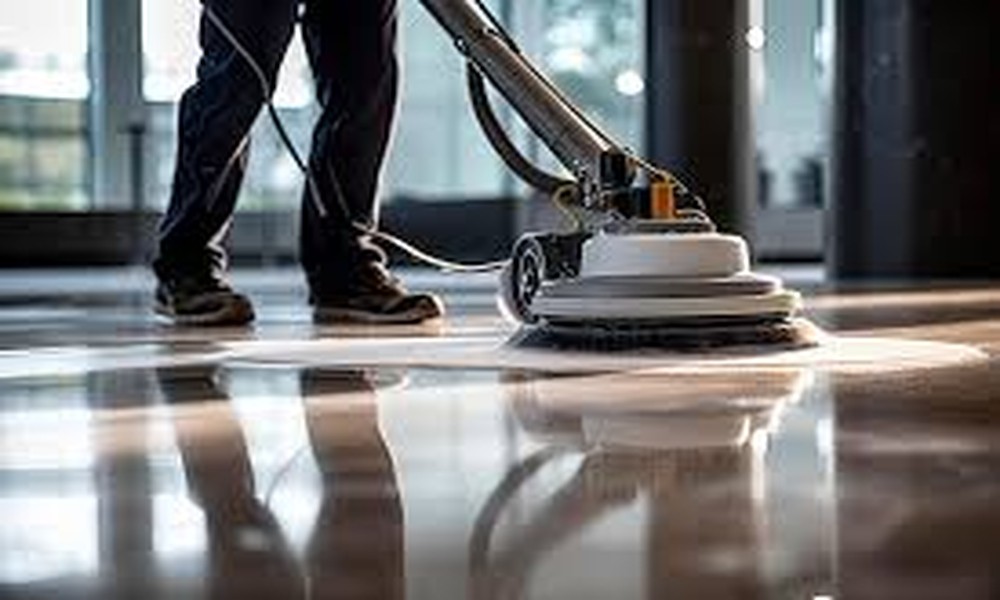
Professional surface care involves multiple stages designed to gradually restore appearance and texture. Initial steps often focus on removing loose debris and preparing the surface for deeper treatment. Mechanical methods are then applied to address embedded particles and uneven areas. Controlled abrasion helps refine the surface without compromising structural integrity, while cleaning agents assist in breaking down stubborn buildup. Each stage builds toward a more uniform finish, improving both visual consistency and surface durability.
Concrete polishing is introduced as part of the finishing process to refine texture and enhance surface reflection. This technique smooths out irregularities and brings a consistent appearance across large floor areas.
Refinement and Finishing for Surface Consistency
Once deep cleaning is complete, surfaces often require refinement to achieve a balanced finish. This involves smoothing out micro-imperfections and restoring a uniform texture across treated areas. Light reflection becomes more even, and the surface regains a cleaner, more structured appearance. The finishing stage also helps seal in improvements made during earlier steps, reducing the likelihood of uneven wear patterns reappearing quickly.
At this stage, concrete polishing plays a key role in enhancing surface clarity and improving long-term visual performance. The process highlights the natural characteristics of the material while improving its resistance to daily wear.
Structured Maintenance Approach for Long-Term Performance
Surface care works best when each stage of the process is aligned with actual usage conditions. High-traffic zones require more frequent attention compared to low-use areas, and cleaning intensity must be adjusted accordingly. Environmental factors such as dust levels and moisture exposure also influence how surfaces age over time.
By following a structured approach that combines assessment, controlled treatment, and finishing techniques, both residential and commercial spaces in Pflugerville maintain cleaner, more consistent surfaces that support long-term visual and functional quality.
