
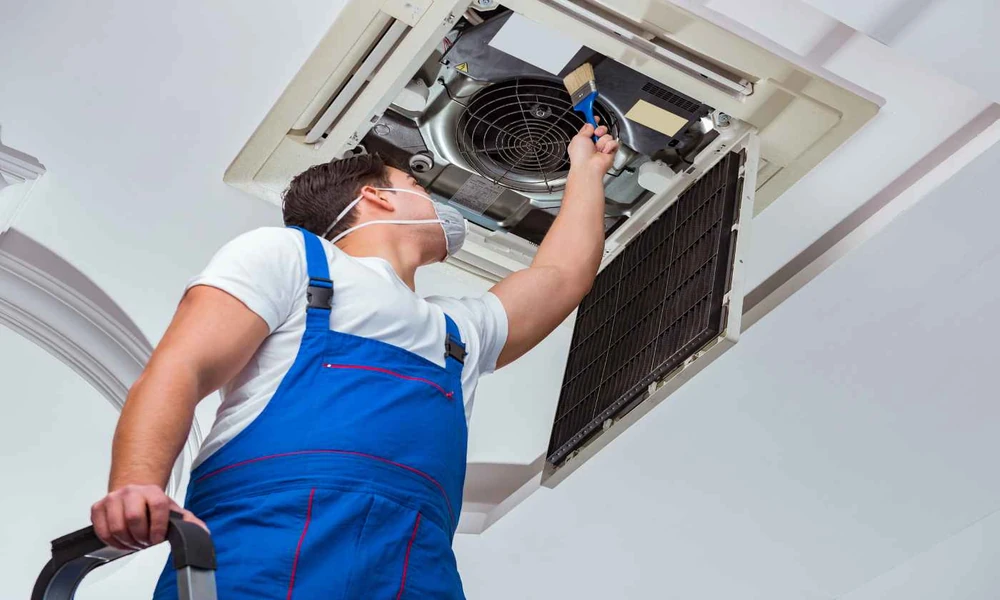
Nobody enjoys the moment an air conditioner starts acting up in July. The instinct for many homeowners is to put off the call, hoping the system limps through the season so the expense can wait until fall. It feels like the financially cautious choice.
In practice, it often costs more. A struggling air conditioner does not simply cool less. It works harder, runs longer, and draws more electricity every hour it operates, which means the delay quietly shows up on the utility bill each month.
Rethinking the Repair Bill
The most useful shift is to stop viewing a repair as a pure expense and start viewing it as a purchase that returns something. A prompt fix restores efficiency, and restored efficiency lowers what you pay to stay comfortable.
The math is straightforward even without exact figures. If a failing part is inflating your monthly cooling costs, every additional month of delay adds to what you eventually spend, and that accumulated waste can approach or exceed the price of the repair itself.
Timing matters more than most people realize. A repair made early in the cooling season pays you back across every remaining hot month, while the same repair in September returns almost nothing until next year.
Understanding the Science of Efficiency
Your air conditioner has one job, which is moving heat out of your home at a certain rate. When every component works properly, the system reaches your thermostat setting, shuts off, and rests.
When something falters, that heat removal slows down. The system still has to reach the same temperature, so it compensates the only way it can, by running longer. Longer runtime means more kilowatt-hours consumed for exactly the same amount of comfort.
Some faults create the opposite problem, causing the unit to start and stop repeatedly without completing a proper cycle. Startup draws the heaviest electrical load of any moment in operation, so a system that short-cycles burns power in bursts while never cooling the house efficiently.
Either way, the electricity meter keeps turning while your comfort stays the same or gets worse.
Recognizing the Components That Waste Power
Certain failures are especially expensive to ignore. Low refrigerant, usually the result of a leak, robs the system of its ability to absorb heat, forcing it to run almost continuously on hot afternoons.
A dirty or damaged condenser coil creates a similar drag by trapping heat that should be released outdoors. Airflow restrictions do the same from the other direction, whether the cause is a failing blower motor, a clogged filter, or duct problems hidden in the attic.
Electrical components deserve attention too. A weakening capacitor makes the compressor struggle to start, drawing extra current every cycle and steadily wearing down the most expensive part of the entire system.
Choosing a Technician Who Finds the Real Problem
Savings depend on an accurate diagnosis, not simply a service call. A technician who replaces a part without identifying why it failed leaves the underlying inefficiency in place, and the bills stay high.
This is where a trusted company such as Airco earns its reputation. Experienced technicians measure system performance, explain what is actually driving the problem, and recommend the repair that fits the situation rather than the largest job on the menu. That honesty matters, because sometimes the right answer for an aging, failing system is replacement rather than another patch.
Ask questions during the visit. A good technician will show you what they found and explain how the fix affects the way your system runs.
Acting Before Small Faults Grow
There is a second layer of savings that homeowners often miss. A component running under strain wears out faster, and strain in one part transfers to others, most often to the compressor.
Replacing a modest part today is far cheaper than replacing a compressor or an entire system, a couple of summers earlier than you should have. Prompt repair protects both your monthly bills and the lifespan of equipment you have already paid for.
An air conditioner that is asking for attention is telling you something worth listening to. Answering that call early tends to cost less than ignoring it, and the savings arrive quietly every month in the form of a bill that finally makes sense.
